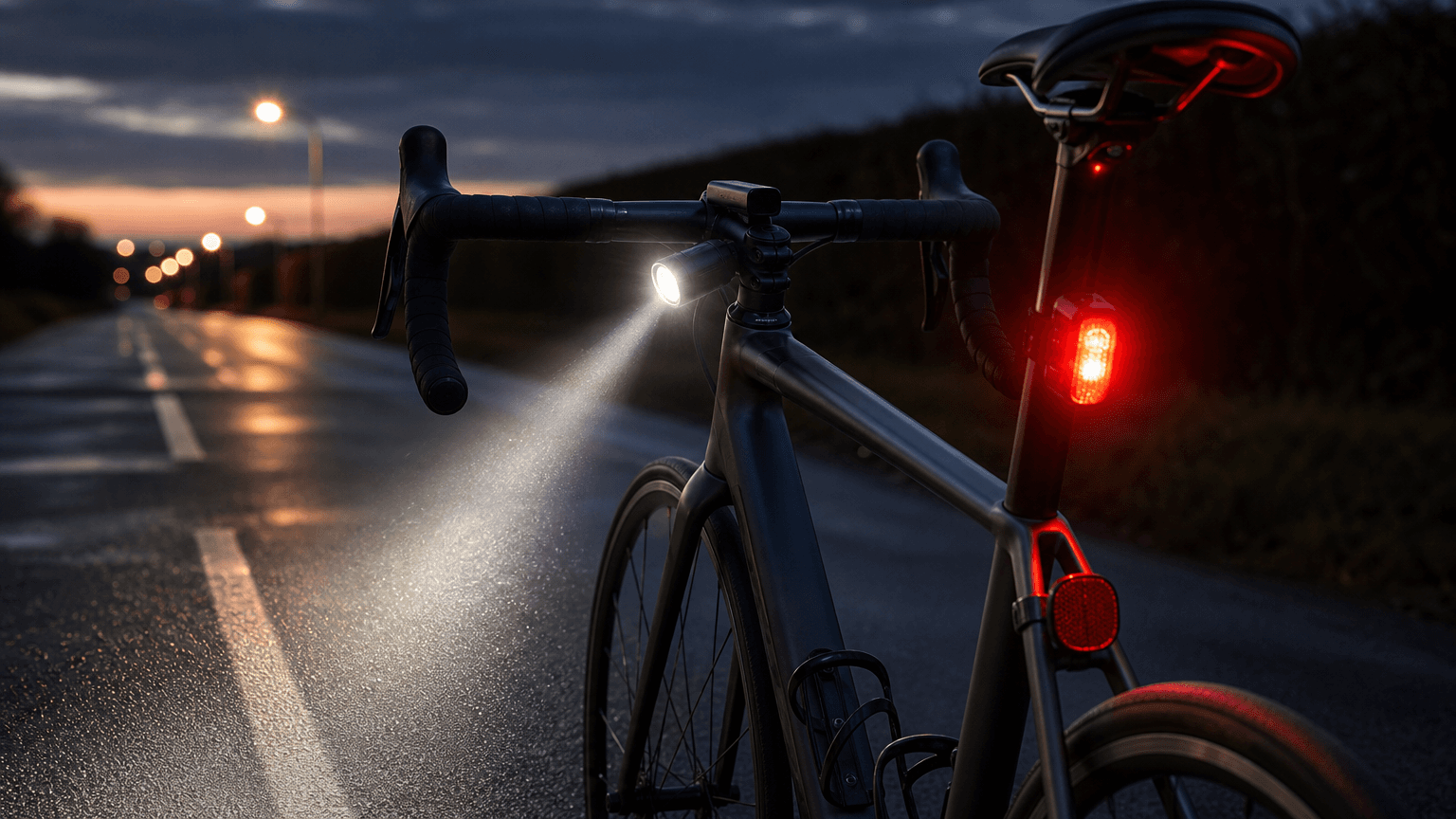
UK riding after 4pm in November is a lighting problem, not a fitness problem. You need a white front light that shows the road and makes you obvious at junctions, plus a red rear that survives a wet seatpost. Spending £300 on a pair is easy. Spending well is harder.
This guide is value first: lumen claims, realistic runtime, mounts that do not rotate on a carbon bar, and typical 2026 UK prices. It mixes front and rear because a bright front with a £8 coin-cell rear is not a system. Cycling Deals UK does not run a dark-lane lab; figures come from manufacturers and published reviews. Always check bike light deals for live discounts.
Highway Code Rule 60 still applies: white front, red rear, lit between sunset and sunrise, plus a red rear reflector. Flashing is allowed in addition, not instead of being seen.
Quick chooser
Best overall front value: Cateye AMPP 900 — 900 lumens, often £45–£65.
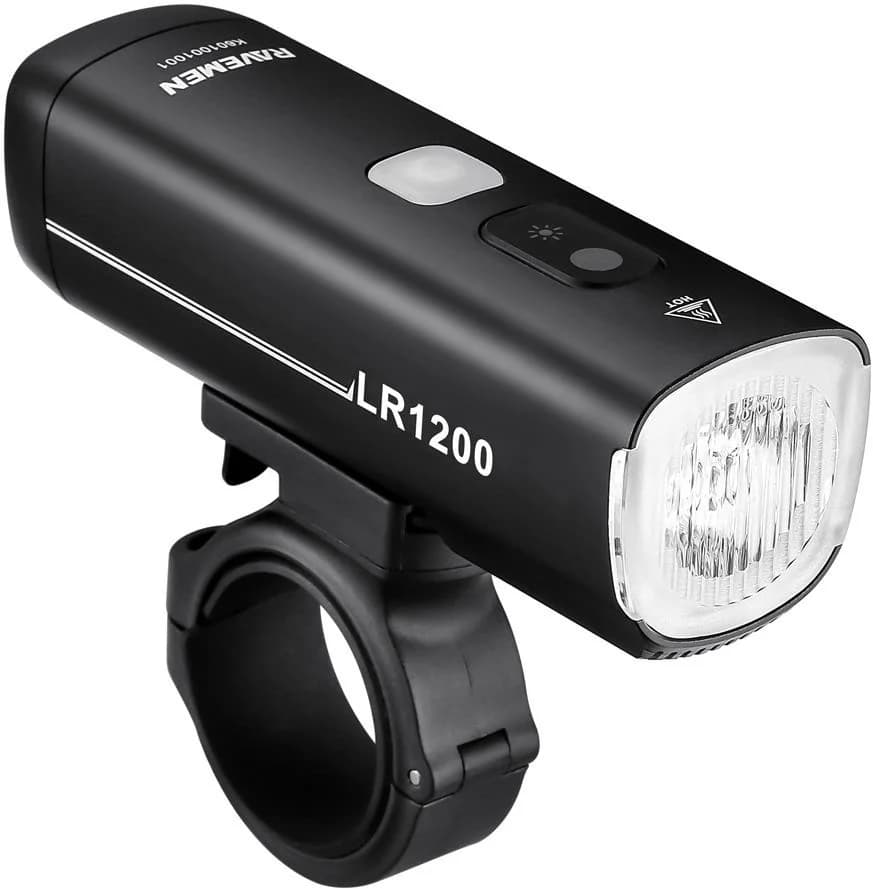
Best commuter value: Ravemen LR1200 — wide beam, USB-C, power-bank trickle, typically £70–£90.
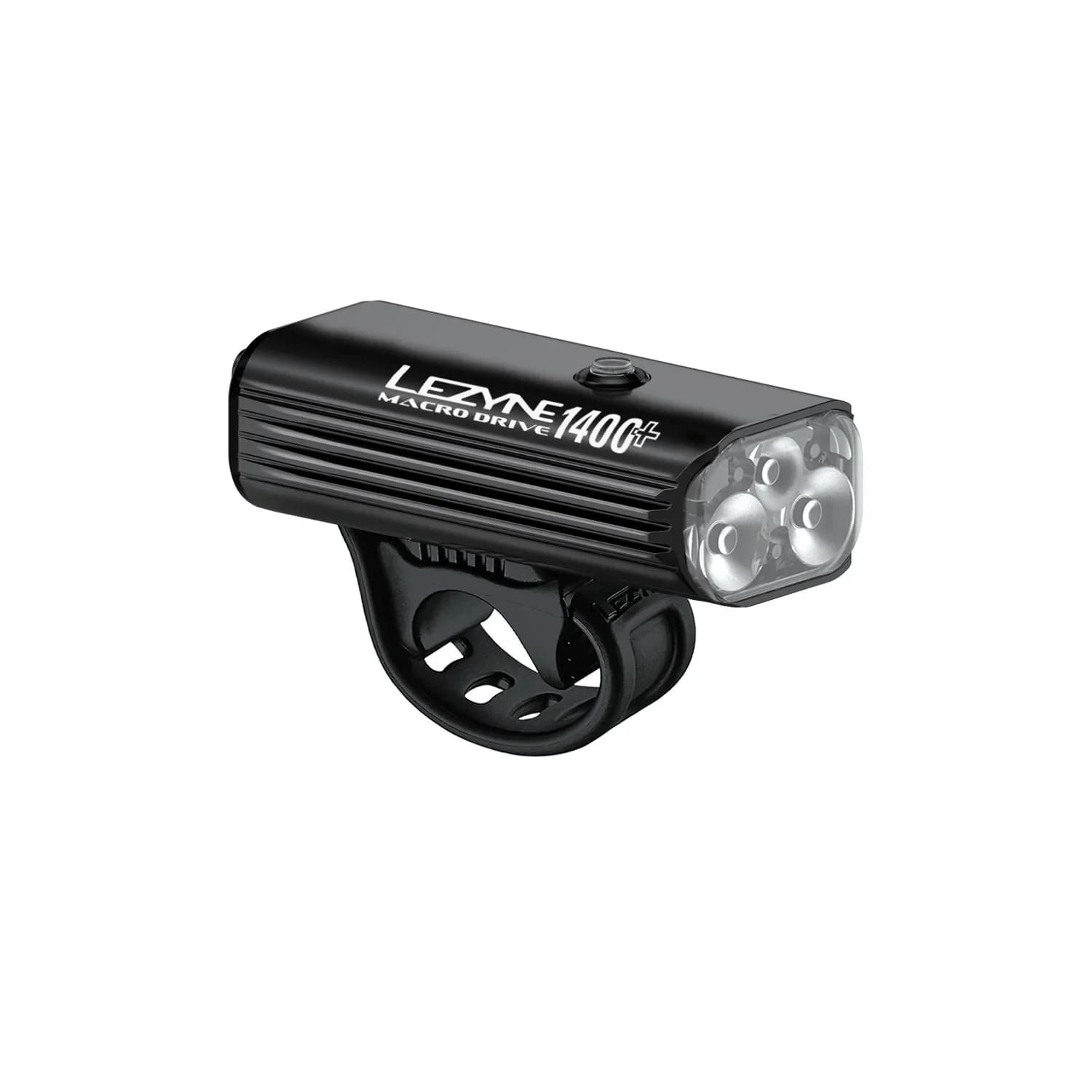
Best performance front: Lezyne Macro Drive 1400+ — 1400 lumens, IPX7, often £75–£100 on sale.
Best lumens per pound: Moon Rigel Max — 1500 lumens class, commonly £70–£90.
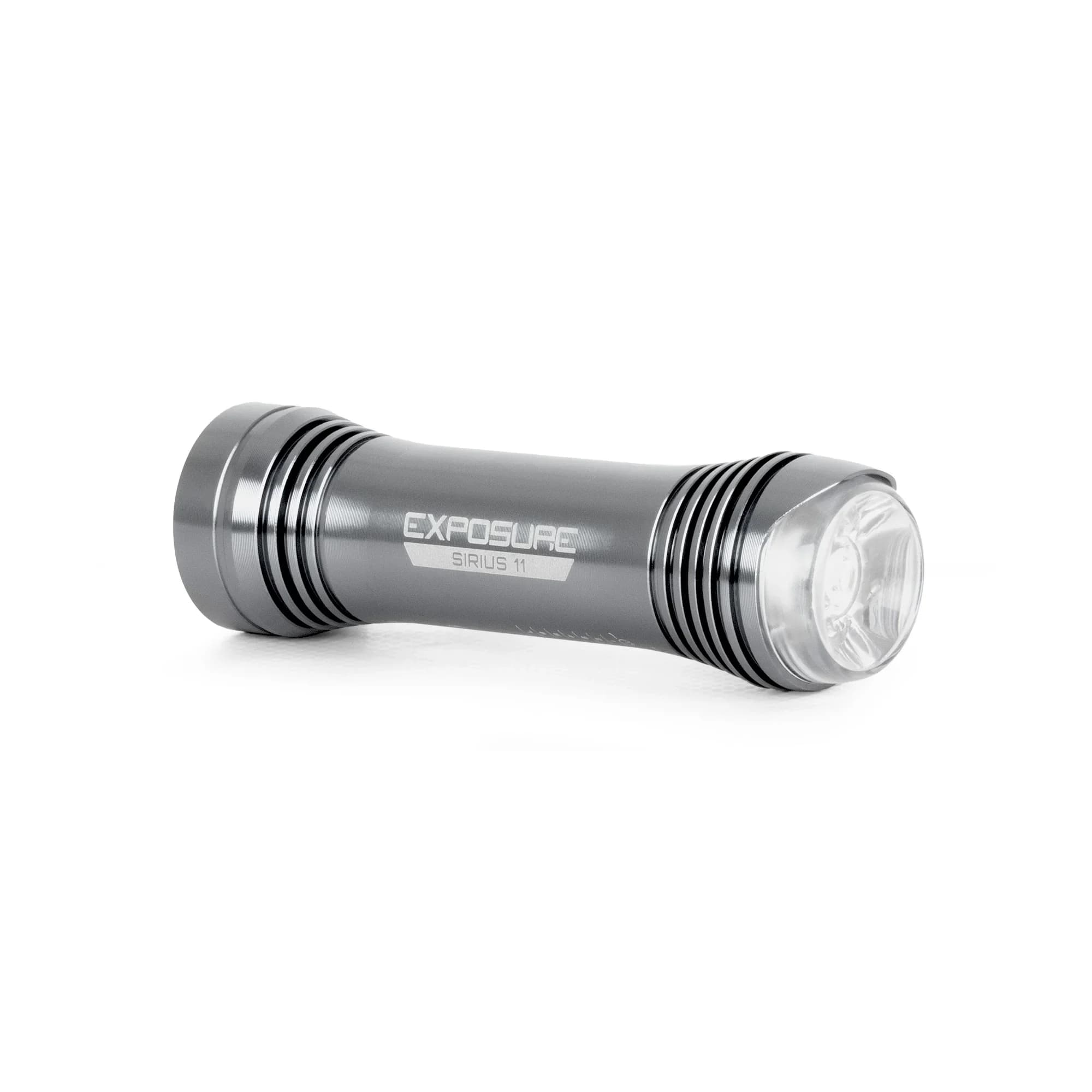
Best premium UK-made: Exposure Sirius Mk11 — 1300 lumens, CNC alloy, about £108–£150.
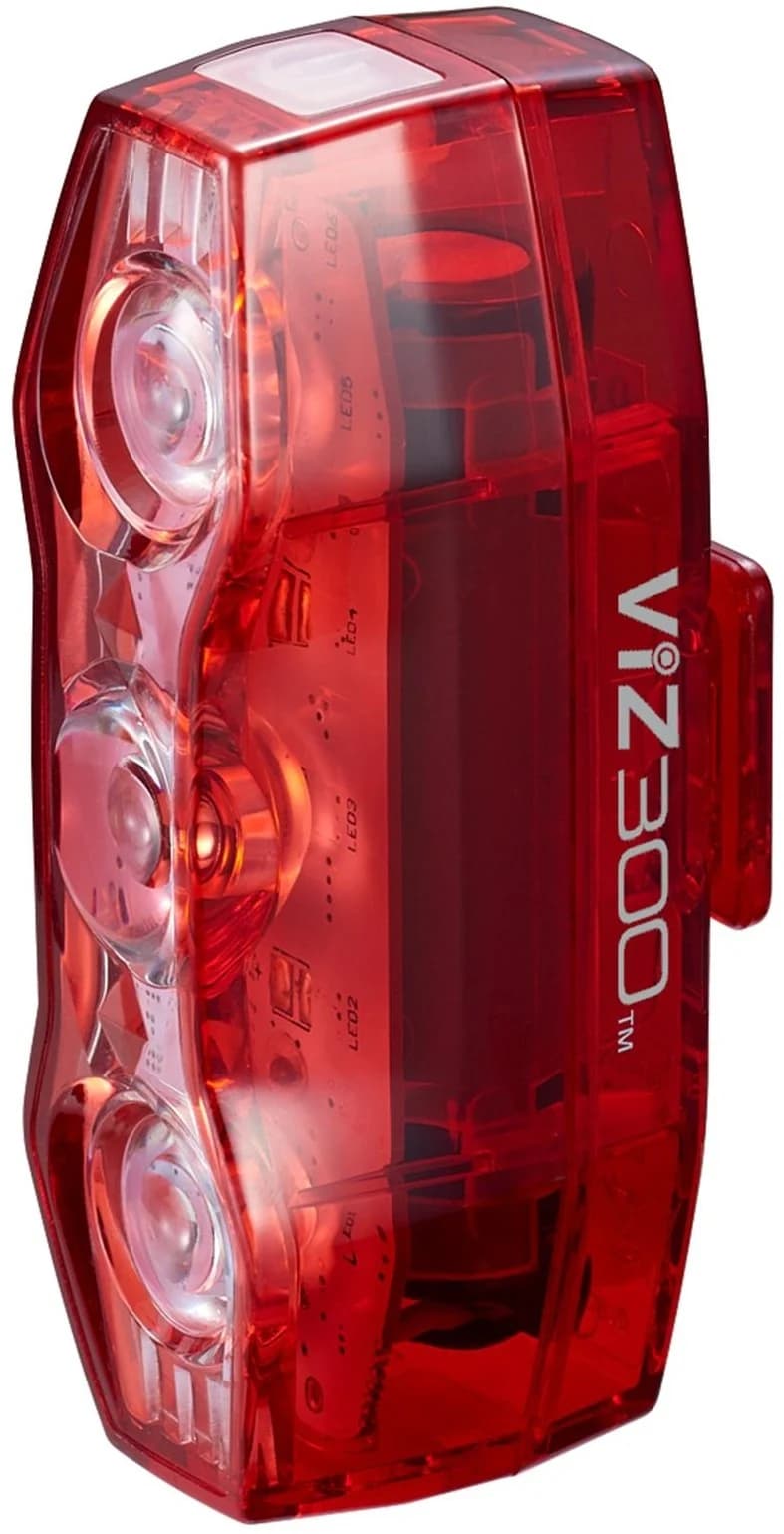
Best rear value: Cateye VIZ 300 — 300-lumen rear, typically £25–£40.
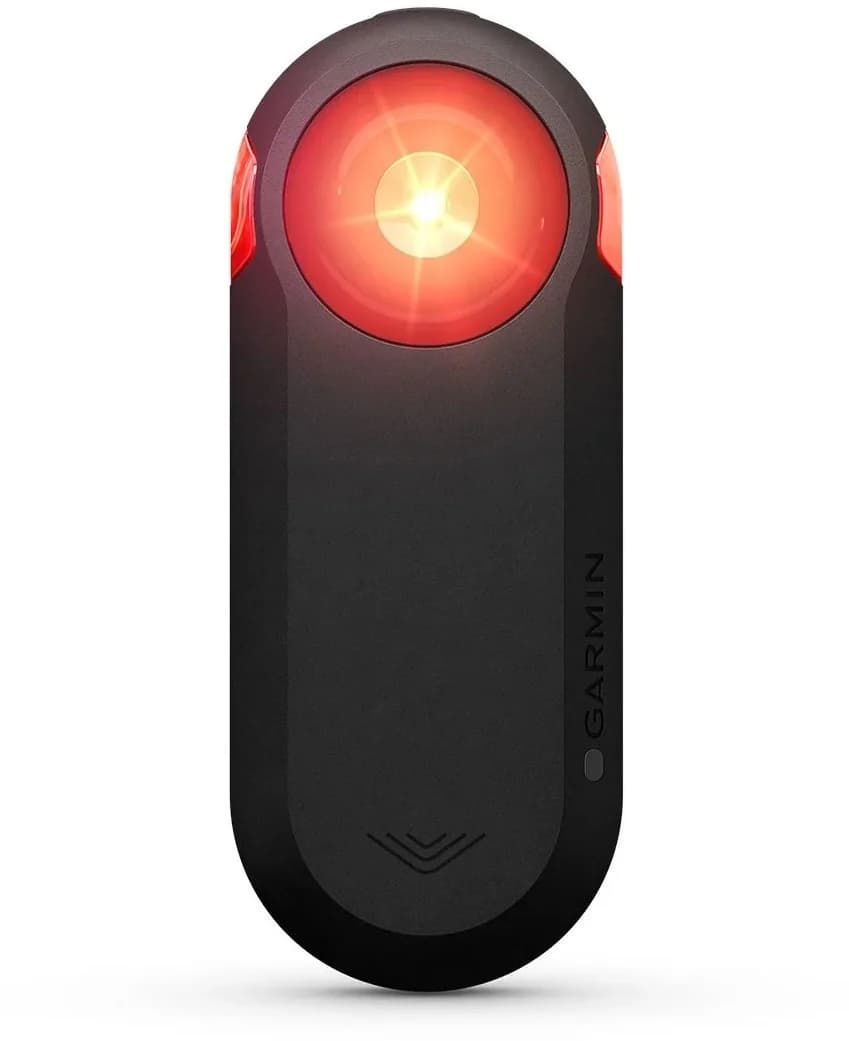
Best smart rear: Garmin Varia RTL515 / RTL516 — radar plus light, £150–£180.
Best bright hybrid: Magicshine Allty 1500S — 1500 lumens with DRL, Merlin-class pricing around £70–£95.
Lumens, runtime, and honesty
Headline lumens are a marketing ceiling, usually the hottest mode you will use for 90 minutes, not all night. For unlit B-roads, 800–1200 lumens with a controlled beam is more useful than 2000 lumens dumped into drivers' eyes. For town, a 200–400 lumen constant plus a daytime flash does more than a blazing spot.
Runtime charts assume new batteries and moderate temperature. Cold garage starts cut both claimed hours and peak output. USB-C is now the expected charge port; mini-USB leftovers are a reason to buy last-gen only on a deep discount.
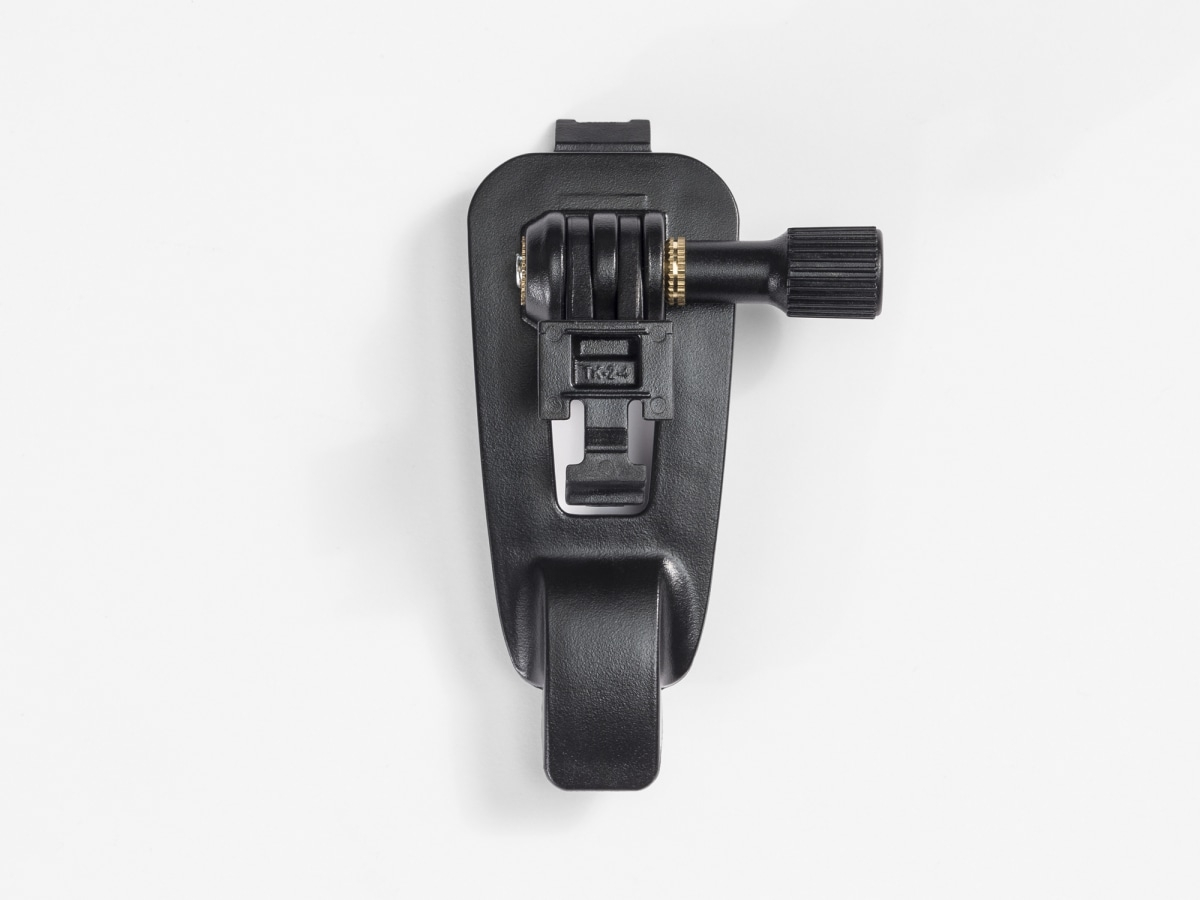
Mounts matter as much as LEDs. FlexTight and strap mounts are commuter-friendly. Garmin/GoPro quarter-turn is better on a dedicated out-front combo with a computer. Exposure's CNC bodies survive years of British rain; cheap plastic clamps polish carbon bars.
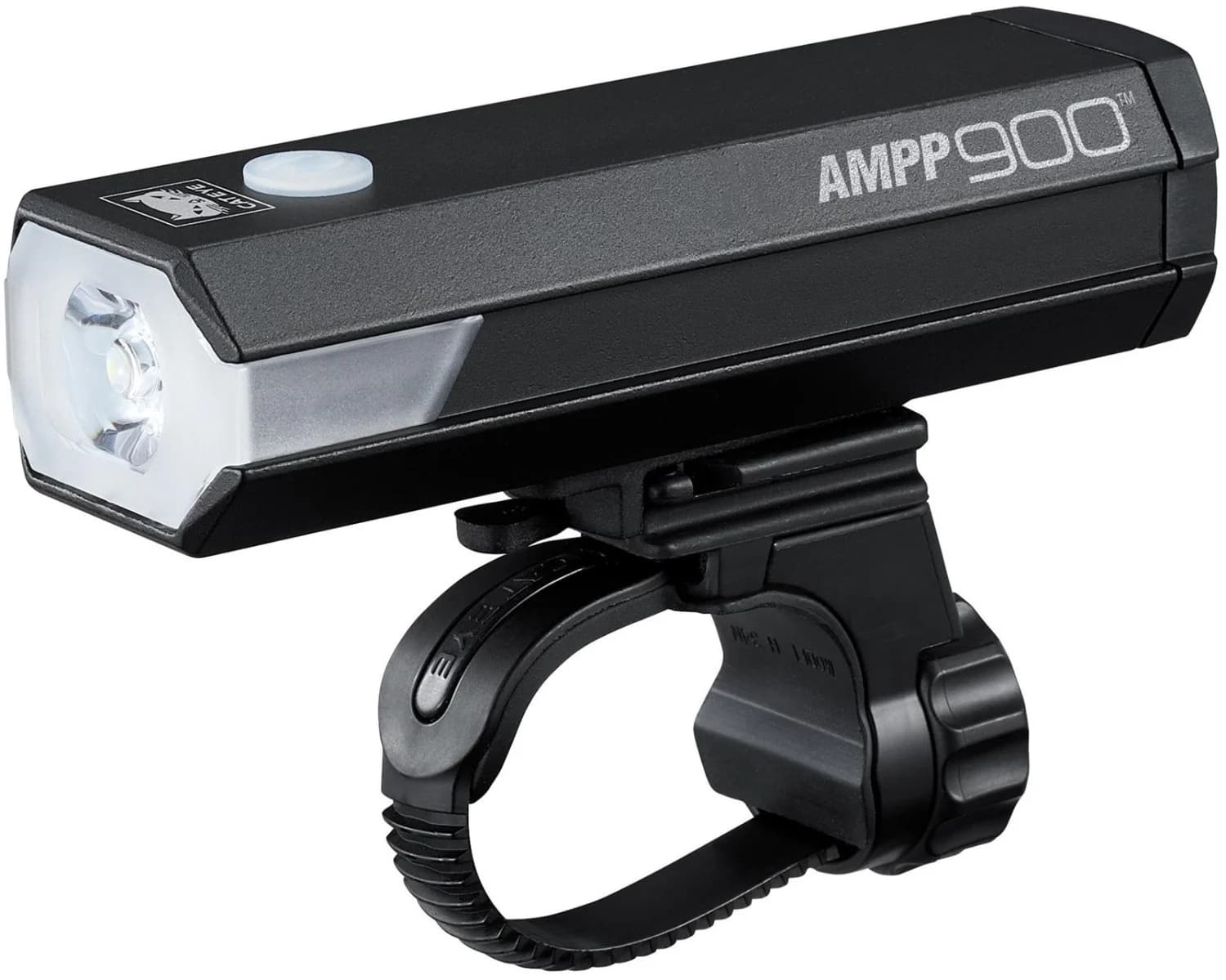
Cateye's AMPP 900 is the default "just buy it" front light. OptiCube lens, 900 lumens, 3000 mAh pack, USB-C, FlexTight mount, IPX4, about 136 g. Tredz has been at £48.99 against £64.99 RRP. High mode is only about two hours, so you ride middle (400 lm / 3 h) or HyperConstant for mixed traffic, and keep high for unlit lanes.
Side visibility and a daytime HyperConstant mode are why it works as a commuter and a winter trainer, not just a night-ride torch.
Why we recommend it
You can put a known-good 900-lumen Cateye on the bar for about £50 and stop thinking about it.
Pros
Frequently £45–£55 in UK shops
USB-C, mode memory, battery indicator
Wide beam, not a pencil spot
Optional helmet/fork brackets
Cons
IPX4, not a dive light
Two hours at 900 lumens is not an all-night audax mode
FlexTight is convenient, not bombproof on a 35 mm aero bar
The LR1200 is a 1200-lumen alloy commuter light with a wide, flat beam, intelligent daytime running mode (flash in sun, low in gloom, auto on/off with vibration), USB-C, IPX6, and the ability to sip from a power bank when the 4000 mAh pack is fading. road.cc liked the beam shape and the emergency-charge trick. Typical UK money is £70–£90.
It is heavier (~180 g) than the AMPP 900. You are paying for beam control and weather sealing more than brand glitter.
Why we recommend it
For mixed daylight / dusk commuting, the auto DRL behaviour is worth more than another 300 lumens of peak.
Pros
1200 lumens with a sensible spread
IPX6 and USB-C
Runtime extension from a power bank
Optional remote / inverted mount
Cons
Mode scroll includes a flash you may not want at 5am
Bulkier than Cateye
Fewer high-street facings than Cateye or Lezyne
Best for: Year-round commuters on mixed lit and unlit routes.
3. Lezyne Macro Drive 1400+ — Best for performance
Lezyne's Macro Drive 1400+ is the fast-road option: 1400 lumens, Tri-Focus optics, CNC alloy with cooling fins, IPX7, USB-C (cable often not in the box), seven modes including a very long-hours Femto setting, GoPro-style mount option. Tredz has listed £74.99 against £100 RRP.
It is the light you buy if you actually ride unlit lanes at 30–40 km/h and need to see potholes, not just be seen. Dip to a neighbour-friendly mode in town.
Why we recommend it
Performance lumens with regular UK sale prices that undercut Exposure without feeling disposable.
Moon's Rigel Max throws a claimed 1500 lumens at typical UK prices of £70–£90. That is aggressive lumen-per-pound maths versus Cateye and close to Magicshine. Moon has long been a commuter-brand staple in UK shops; mounts and spares are easy.
As ever, 1500 lumens is a peak. Use it as a short unlit-road mode and spend most of the ride two steps down so you still have battery at the railway bridge.
Why we recommend it
When the job is "maximum light for ~£80", Rigel Max is hard to argue with.
Pros
1500-lumen class for under £90
Familiar UK brand and mounts
Good spec sheet versus AMPP money
Cons
Peak runtime will not match Exposure's low modes
Beam quality varies by lens; not automatically "better" than Ravemen's 1200
Easy to dazzle oncoming traffic if you leave it on max
Best for: Riders who want a bright bar light without Exposure money.
Exposure still machines lights in Britain. The current Sirius (Mk11 / Sirius 11) is a 90 g CNC 6063 body, 1300 lumens, USB-C, IP67, DayBright-style pulse, and a claimed 1–130 hour runtime window depending on programme. UK prices sit about £108–£150 (Balfes has been near £108 against £120). Older Mk10 leftovers are gone from Tredz.
You are paying for thermal design, beam manners, and a light that still looks like new after three winters. It is not the cheapest lumen. It is often the cheapest over five years.
Why we recommend it
If you want one front light and no replacement cycle, Exposure is the UK-made answer.
Pros
Made in Britain, serviceable ecosystem
1300 lumens in 90 g
IP67 and USB-C
Side visibility for junctions
Cons
Costs double an AMPP 900
Peak hours are still short; the 130 h figure is a glimmer mode
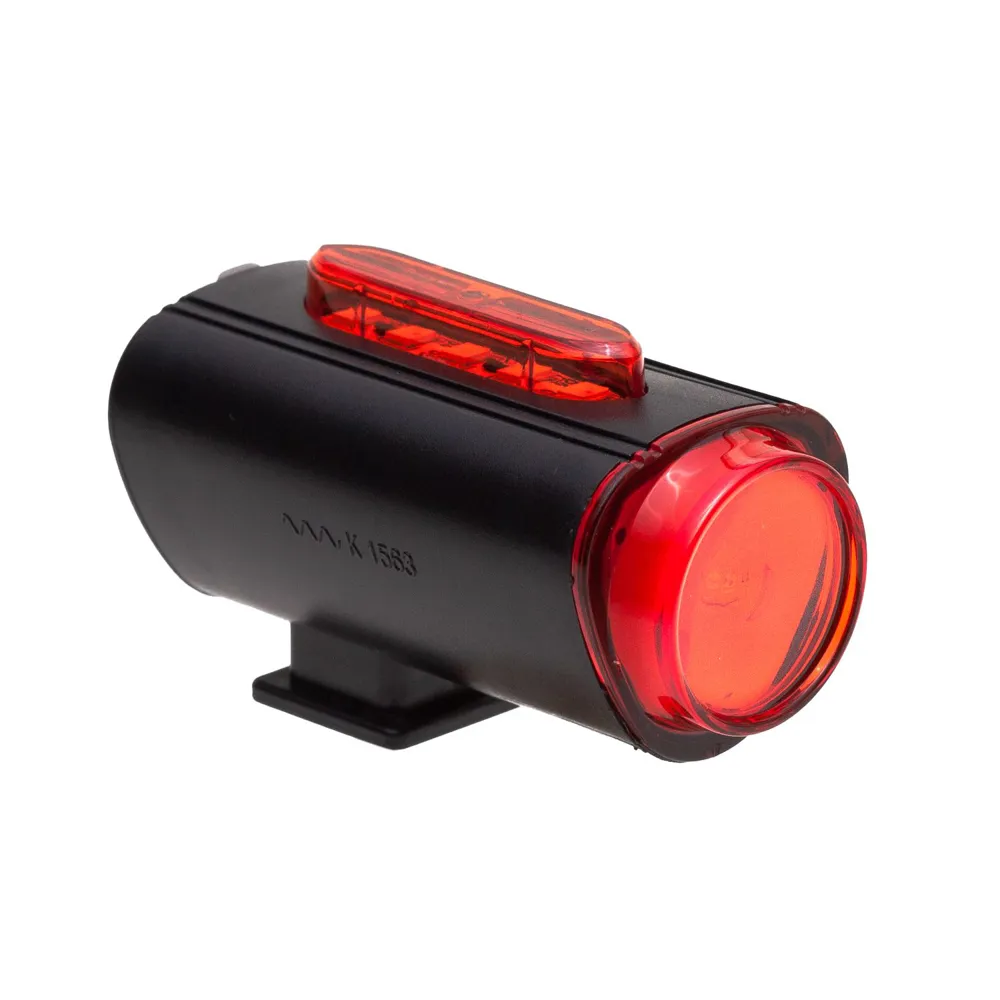
Rear lights are where people under-spend. The VIZ 300 is a 300-lumen USB rear with a wide optic, typically £25–£40, often bundled with an AMPP front. That is enough to be seen in daylight flash and to run a solid red at dusk without looking like a coal-shed lamp.
Pair it with any of the fronts above. Radar is nicer; it is not required for a legal, visible commute.
Why we recommend it
Three hundred lumens of rear, from a brand every shop stocks, for the cost of a couple of inner tubes.
Pros
Genuinely bright rear, not a token LED
USB rechargeable
Cheap enough to run a spare on the bag
Cons
No radar
Seatpost rubber rings need checking on aero posts
Daytime flash can annoy a close following rider — use manners
Varia is a rear light with a radar that paints cars on a compatible computer (Garmin, and ANT+ on Wahoo / Hammerhead / others). RTL515 is still on UK shelves (Tredz about £149.99 against £169.99). RTL516 is the newer equivalent where listed; buy whichever is cheaper and in stock. The RearVue 820 is a different, dearer product.
You are paying for the radar more than the lumens. The tail light is adequate, not a 300-lumen Cateye. Many riders run Varia plus a cheap bright rear.
Why we recommend it
On fast A-roads, knowing a car is coming is worth more than another 200 front lumens.
Pros
Radar alerts on the computer you already look at
Regular UK discounts around £150
Works beyond Garmin if the head unit speaks ANT+ radar
Cons
Expensive for a rear light
Battery and pairing add failure modes
Rear output is not class-leading on its own
Best for: Road riders who already own a compatible GPS.
8. Magicshine Allty 1500S — Best bright road/trail hybrid
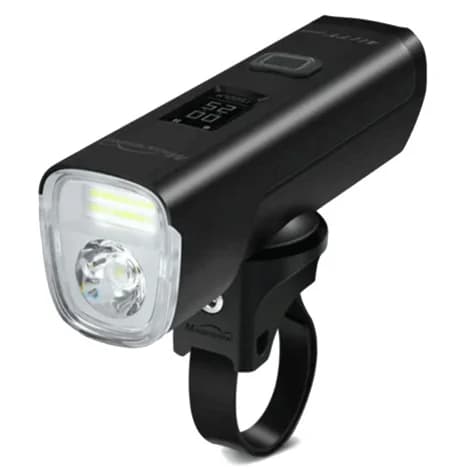
The Allty 1500S (Merlin and similar, typically £70–£95) adds a separate daytime running LED, OLED status, remote on some kits, and 1500 lumens from an SST-40. Independent DRL means you can stay visible without leaving the main emitter on max. RAY 1600 is the newer sibling if you find it better priced; in UK specialist stock the 1500S is the one we can point at today.
It is a strong hybrid if you commute in the week and hit unlit lanes at the weekend. Check mount compatibility with your computer out-front.
Why we recommend it
DRL plus 1500 lumens at AMPP-adjacent money is the hybrid spec sheet that usually wins on price.
Pros
1500 lumens and a dedicated DRL
OLED so you are not guessing battery
Merlin / specialist UK availability
Remote options for bulky winter gloves
Cons
Brand cachet behind Cateye / Exposure
Easy to over-light shared paths
RAY 1600 may supersede it — compare live price, not the name
Best for: Mixed road and light-trail riders who want one bar light.
A sensible UK winter kit is AMPP 900 + VIZ 300 for about £80–£100. Upgrade the front to Ravemen or Lezyne if your lanes are unlit. Add Varia only if you already stare at a GPS. Exposure is the "buy once" front if you hate replacing plastic lights.
Do not mix a 1500-lumen flood with no rear. Do not rely on a helmet light as your only legal front on the road; helmet beams follow your eyes into car windscreens.
How many lumens for unlit UK lanes? About 800–1200 lumens in a cut-off or wide-flat beam is the useful range. More than 1500 is rarely the bottleneck; glare and runtime are.
Is flashing legal? Yes as an extra. You still need to be lit. A solid or HyperConstant mode is easier for drivers to judge distance.
USB-C or another standard? Buy USB-C. Life is too short for drawer-of-cables lights.
Do I need radar? No. It is an excellent extra on busy A-roads if you have a compatible computer. It does not replace a bright rear.
Helmet or bar? Bar for the legal, aimed beam. Helmet as a spare for junctions and off-road. Never only helmet on the road.
Will a cheap Amazon 2000-lumen light do? Sometimes. Beam shape, glare, waterproofing, and mount quality are why Cateye, Ravemen, Lezyne, Moon, Exposure, and Magicshine still win for riders who use lights every week.
A wide, slightly dipped beam lights the verge and the pothole without punching through an oncoming driver's visor. Cateye OptiCube and Ravemen's flat lens are built for that. Narrow high-lumen spots (some trail lights, some generic 2000 lm torches) are worse on the road even when the box number is bigger.
In a group, agree a max mode. The rider in second wheel does not need 1400 lumens in their back. Use flash in daylight on fast roads; use a constant in fog so drivers can judge closing speed.
Charging habits that keep lights honest
Charge after the ride, not as you walk out the door. Cold packs show a healthy indicator, then drop. If you commute five days a week, a pair of fronts (AMPP 900 plus a tiny backup) is cheaper than a dead battery on the ring road. Replace worn strap mounts before the light rotates into the tyre.
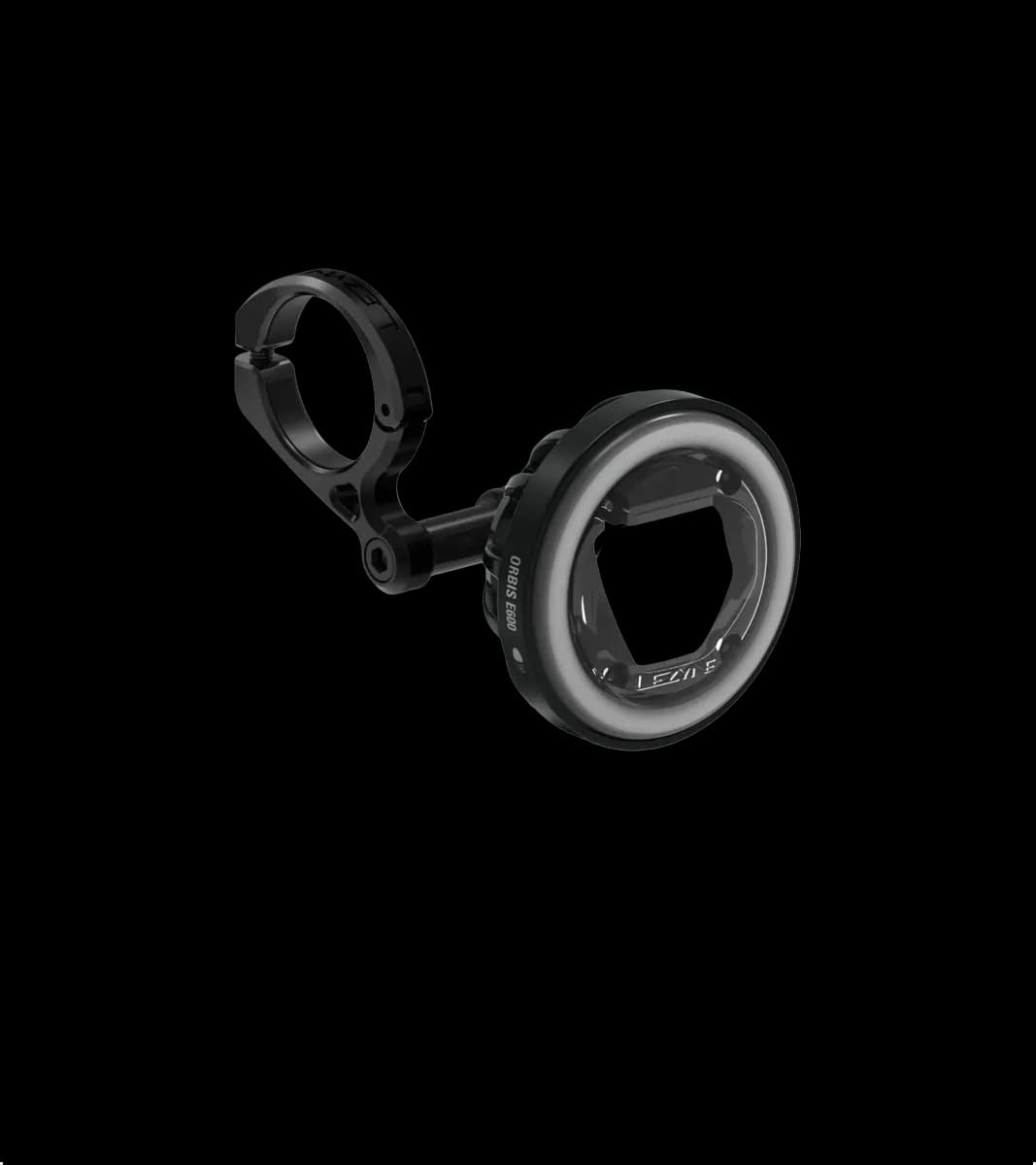
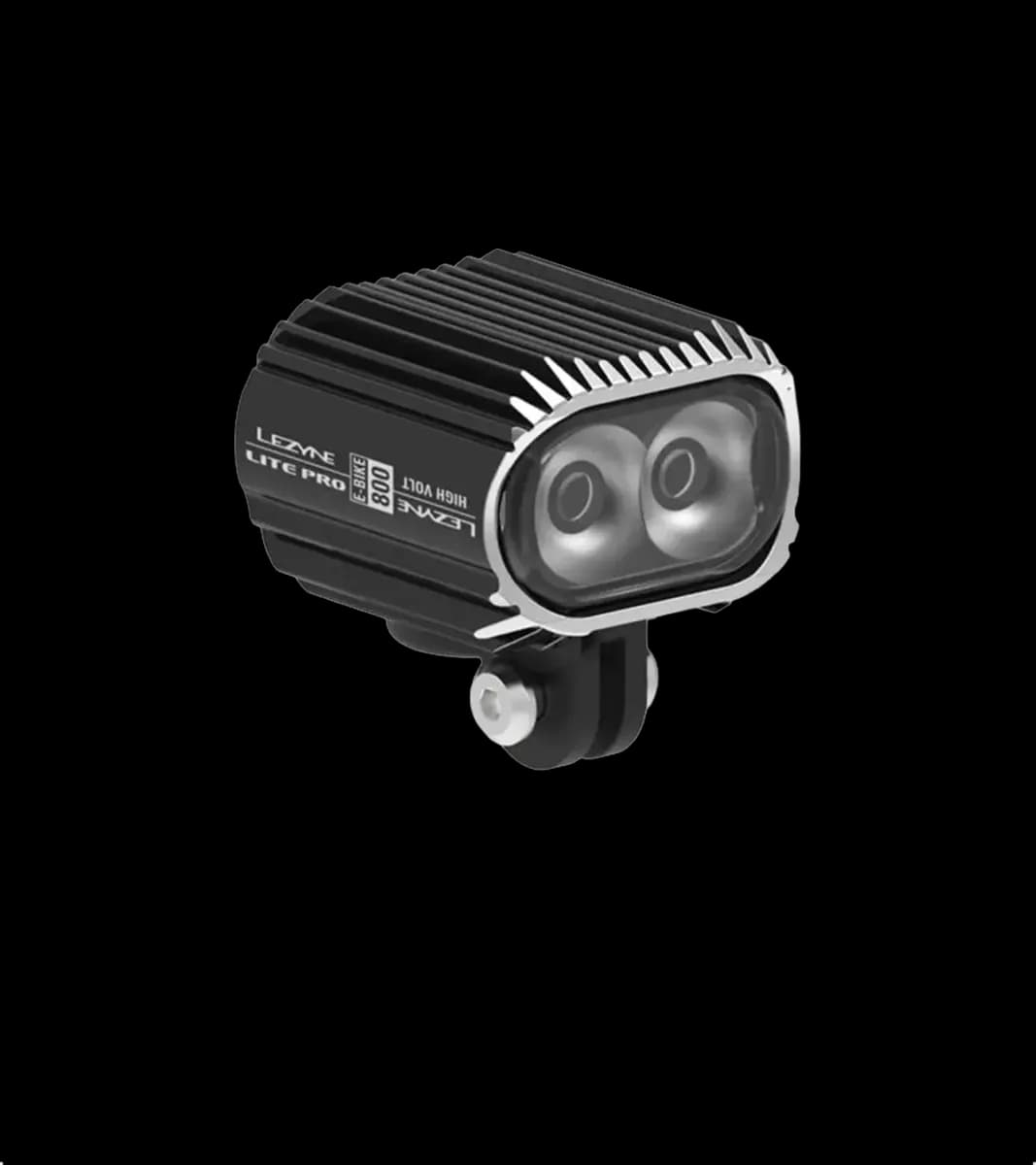
For e-bikes, check voltage compatibility; some e-bike-specific Lezyne lights take frame power. The Macro Drive 1400+ here is a standard USB-C pack, not a 12 V e-bike lamp.