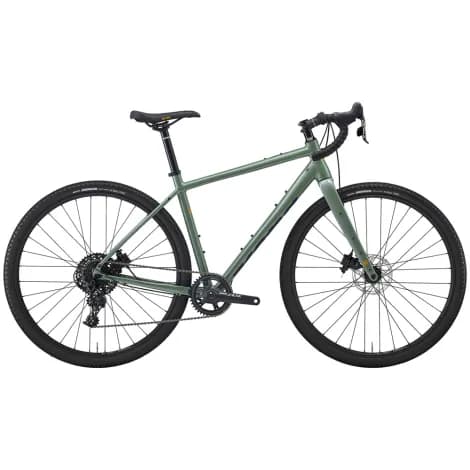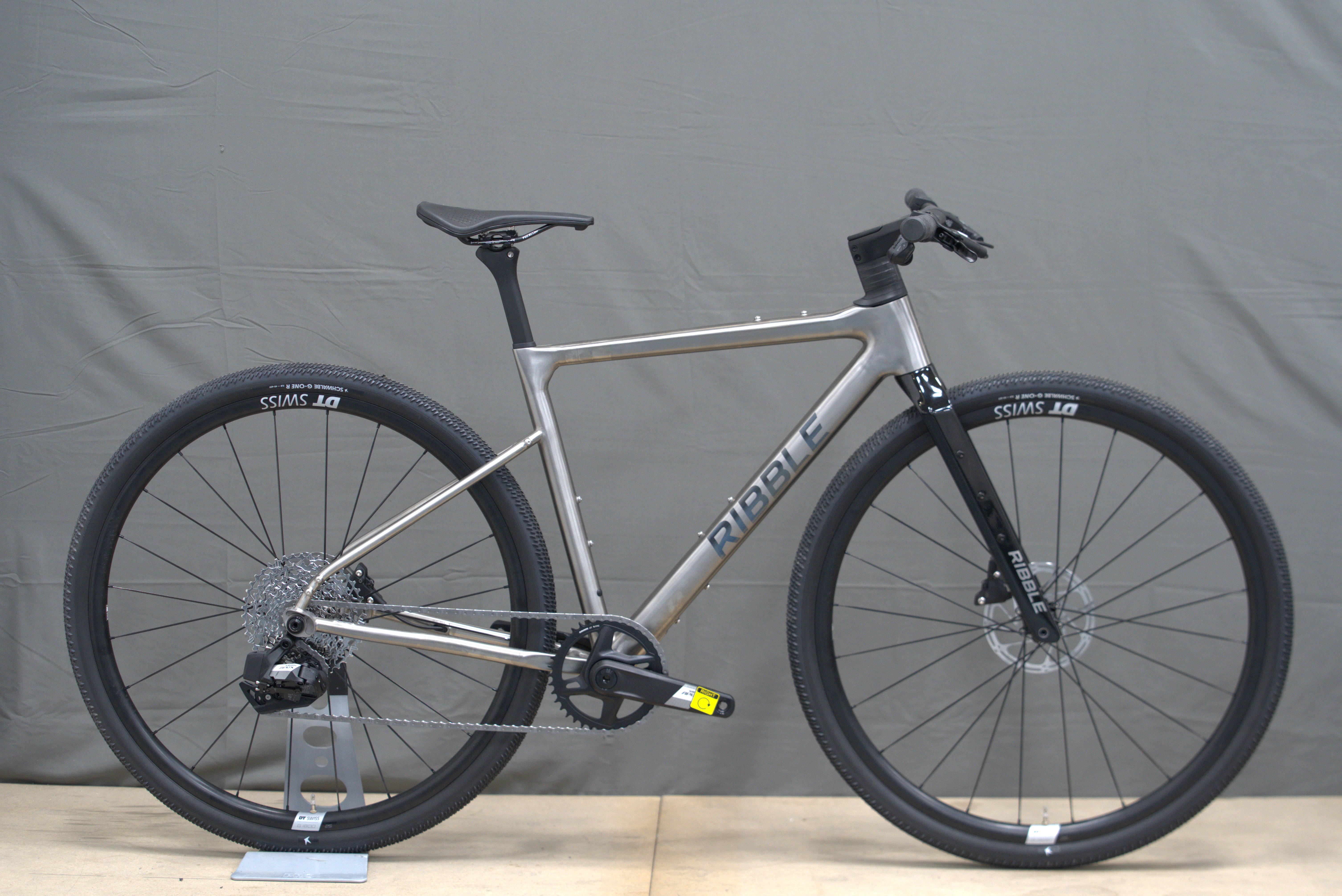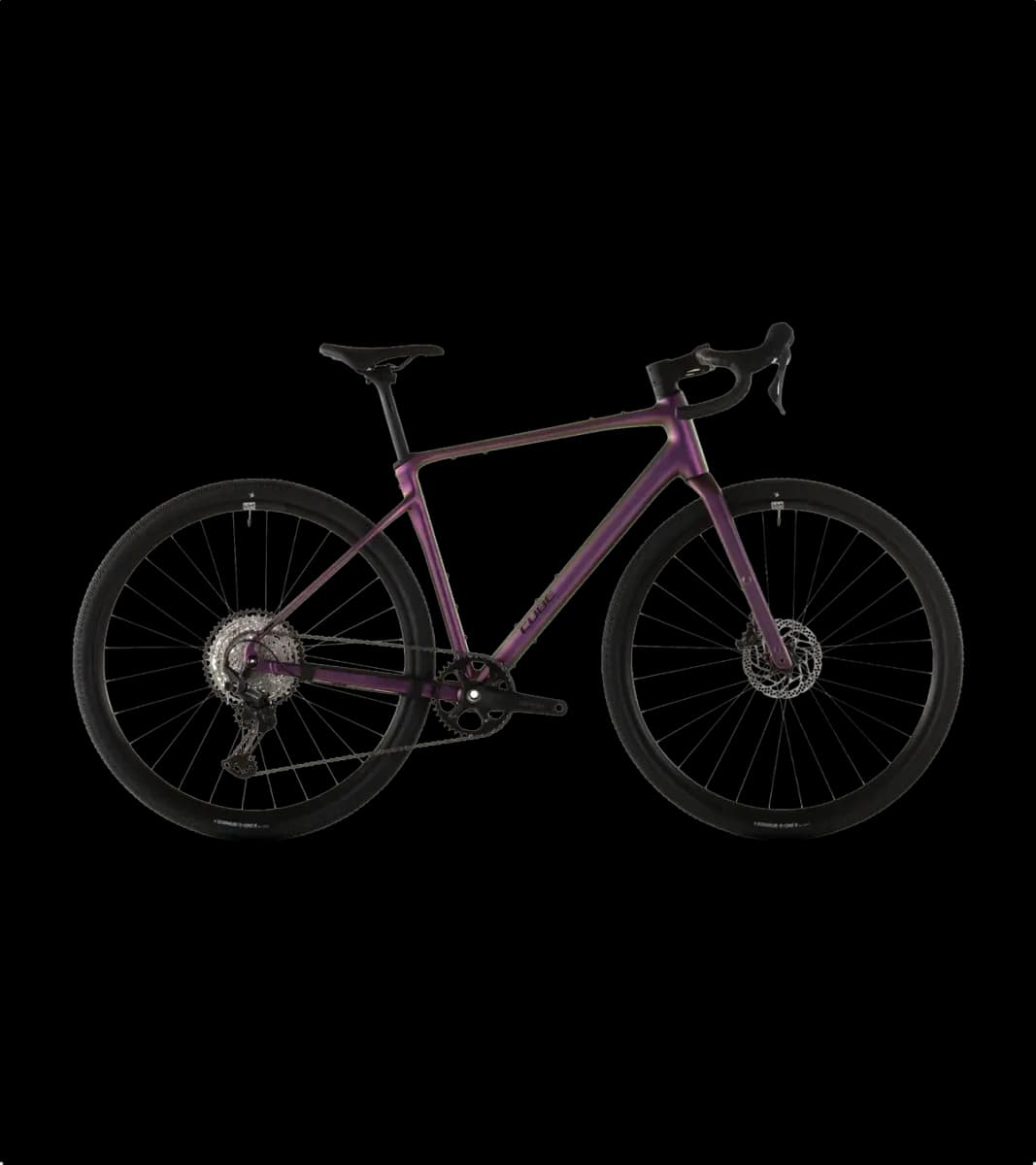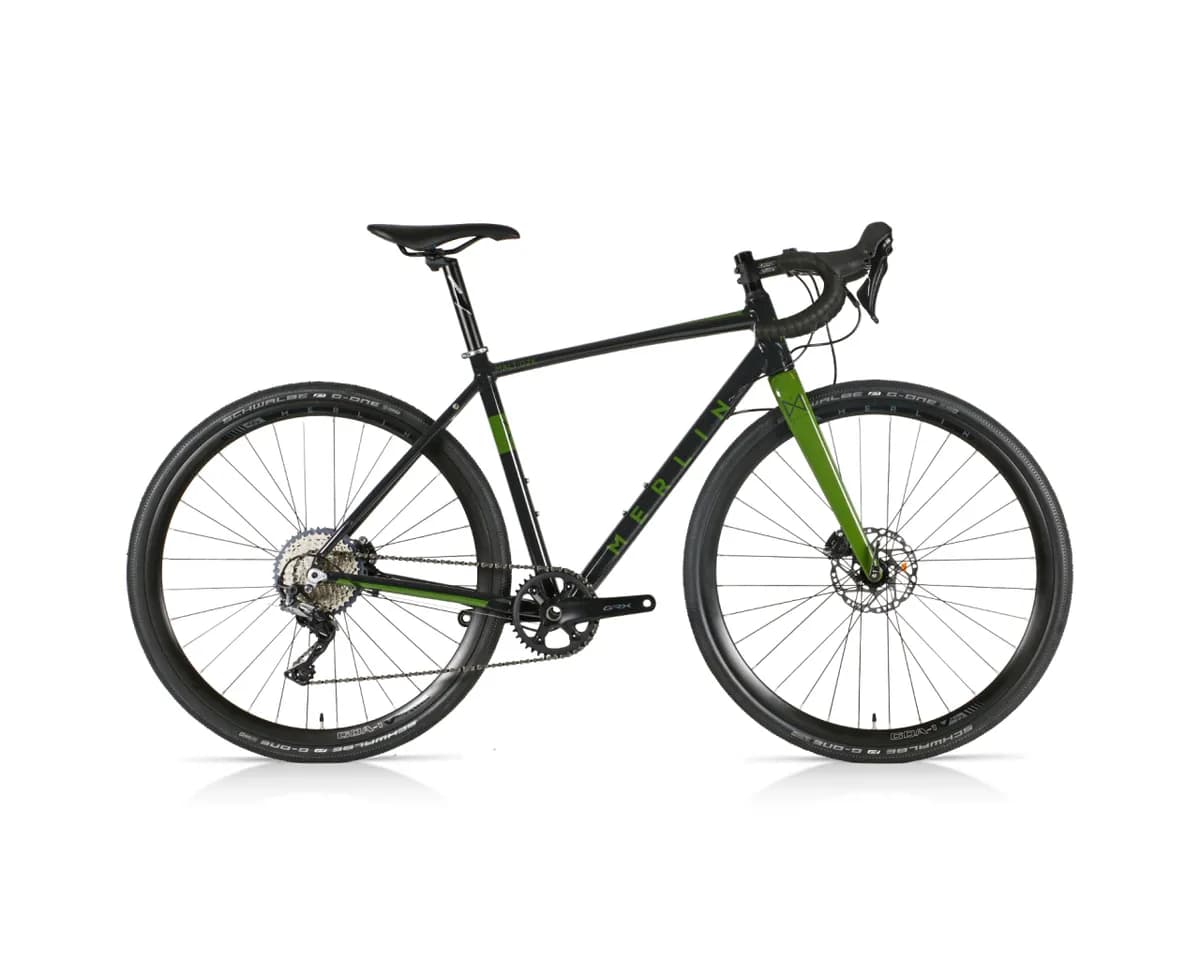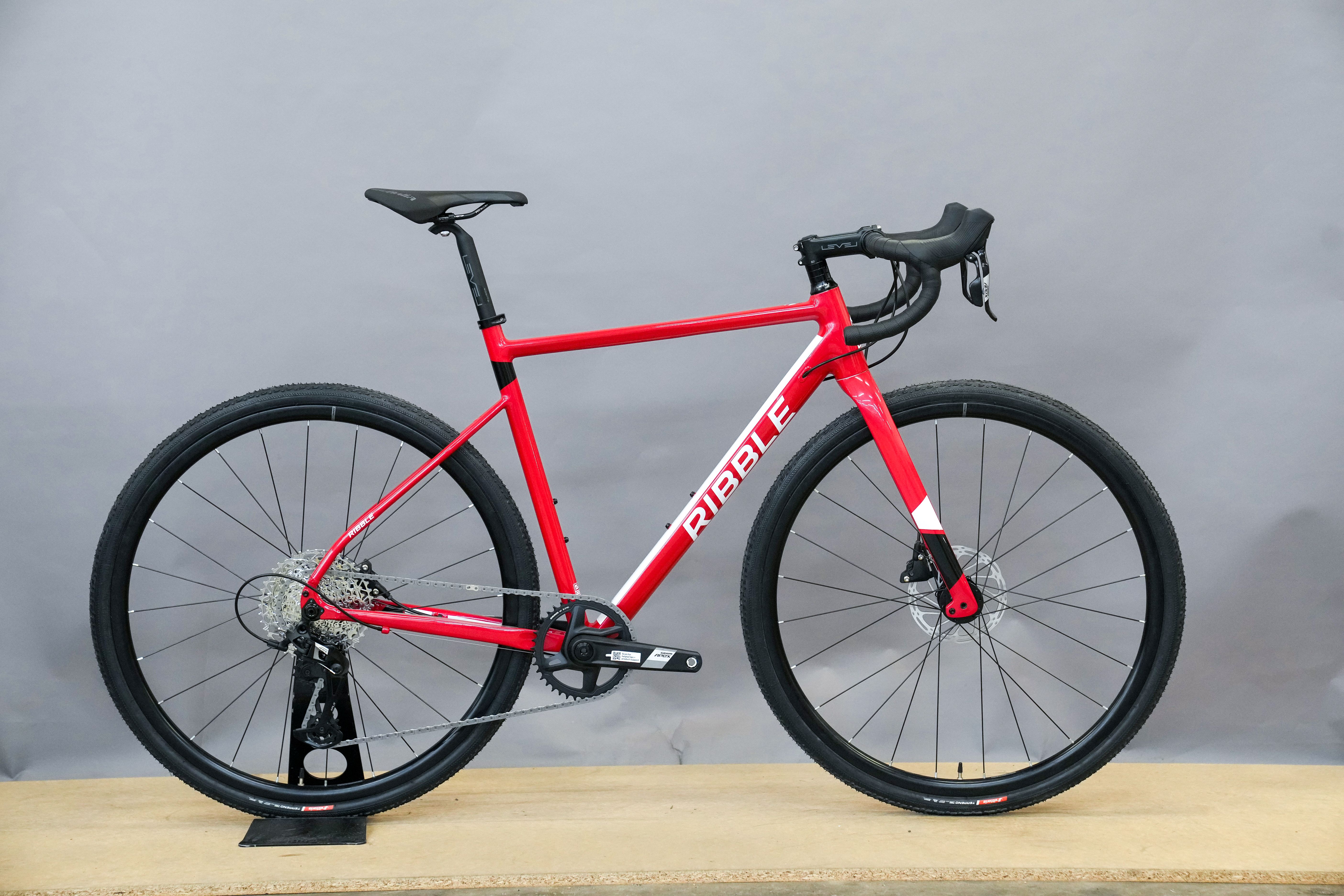
Spending £2,000 on a gravel bike is a meaningful commitment, and the UK market right now offers genuine choice at this price point. You'll typically land an aluminium frame (or occasionally entry-level carbon) paired with Shimano GRX or SRAM Apex, rolling on 700c wheels with clearance for tyres in the 40–45mm range. The challenge isn't finding a bike under £2,000, it's knowing which specifications actually matter for the lanes, bridleways and mixed-surface routes most UK riders encounter day-to-day.
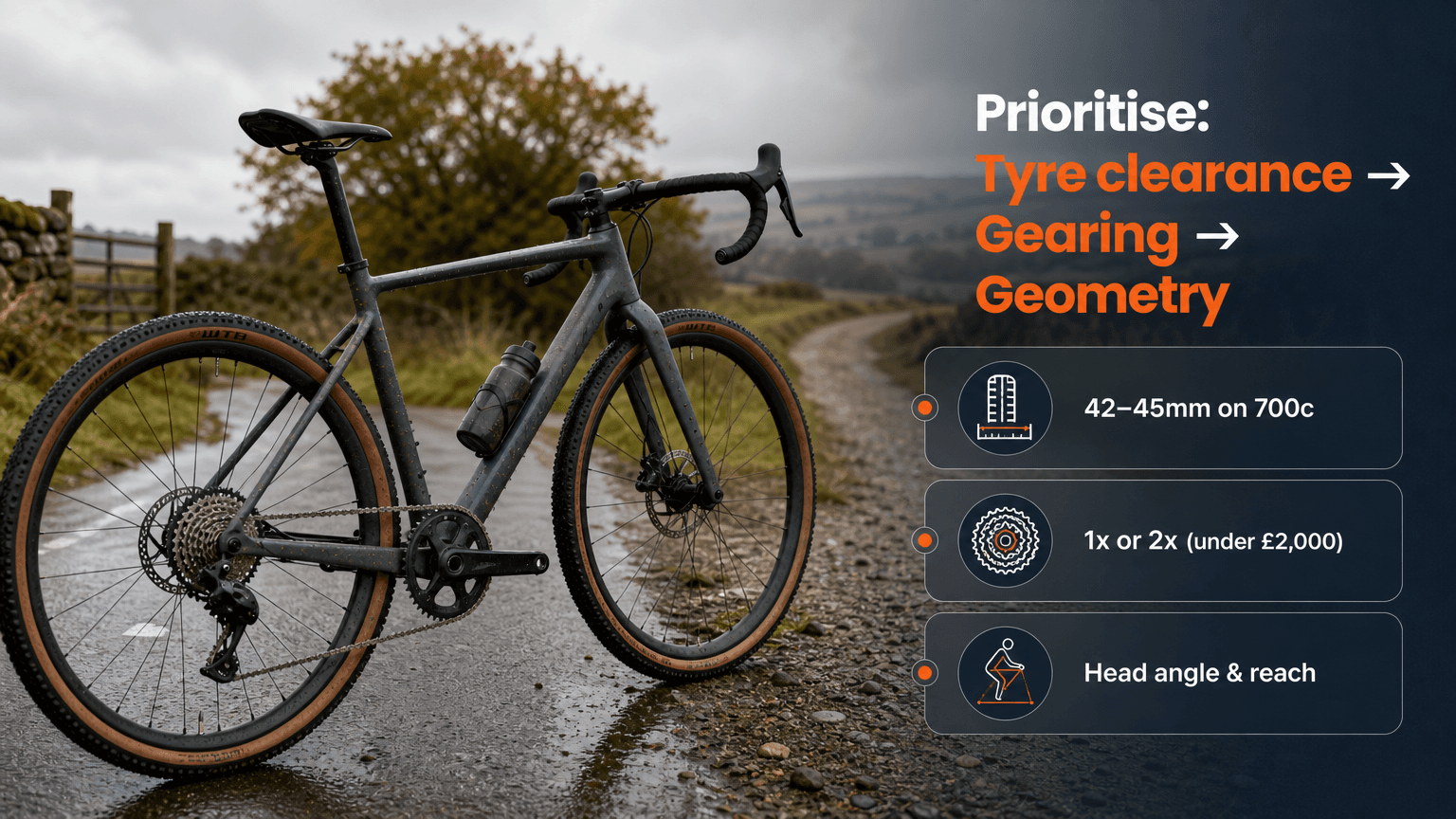
This guide gives you a clear priority framework: tyre clearance first, gearing second, geometry third. Work through those three in order and you'll make a confident decision rather than a compromise.
Who this guide is for: cyclists who want one capable bike for mixed-surface riding in the UK, road to gravel, canal towpaths, forest tracks, or light bikepacking. It assumes you're comfortable comparing specs online and want to use current UK discounts to get the best possible bike for your budget.
Difficulty: straightforward. No tools required. Allow 30–45 minutes to read, compare, and check live deals.
What to prioritise: tyre clearance, then gearing, then geometry
The order matters. A gravel bike with limited clearance won't improve with a better drivetrain. A bike with the right clearance but poor gearing can be fixed with a cassette swap. Geometry is the hardest to change after purchase, but it matters less urgently than the other two at the outset.
Step 1: Confirm the tyre clearance
BikeRadar reported in June 2025 that tyre clearances are expanding across the category: 40mm was once considered wide, quickly became the norm at 45mm, and modern frames increasingly accommodate anywhere from 40 to 50mm on 700c wheels. For UK riding, 40mm is the absolute minimum to consider, anything less and you'll feel underdone on loose gravel and wet bridleways.
The practical target for most UK riders: 42–45mm on 700c. That gives you the versatility to run a fast semi-slick in dry summer conditions and swap to a knobblier, wider tyre through winter without changing wheels.
One important caveat: "marketing maximum" and measured clearance are different things. Manufacturers quote maximum tyre width without mud, with the wheel perfectly centred. Real-world clearance, especially at the chainstay and fork crown, is often 2–4mm narrower once you account for tyre swell and mud accumulation. Check independent reviews that quote measured clearance, not just spec sheet figures.
If you're riding technical or very muddy terrain regularly, look for frames that explicitly clear 45mm+ and ideally support 650b wheels. Dropping to 650b (27.5") allows you to run substantially wider tyres within the same fork/frame envelope, which is useful for winter.
Step 2: Check the gearing range
At under £2,000, you'll see both 1x and 2x drivetrains. Neither is universally better, they suit different riders.
1x (single chainring): Shimano GRX 600 or 800 1x11, SRAM Apex 1x12. Simpler, fewer cables, fewer mechanical problems on rough terrain. The wide-range cassette (typically 10-42t or 10-44t with a 40t front ring) gives reasonable climbing on UK hills. The trade-off is larger jumps between gears, which can make cadence management awkward on rolling terrain where you're constantly adjusting.
2x (double chainring): Shimano GRX 400 or 600 2x, SRAM Rival 2x. More gradual gear steps, better for fast road-to-gravel riding where you're spinning at consistent cadences. A 46/30t front with an 11-34t cassette covers road speed and serious climbing with finer control. The front derailleur adds complexity and occasionally needs adjustment after rough riding.
For most UK riders using a single bike across varied terrain: 1x is the cleaner choice. If you do regular fast road miles between gravel sections, 2x gives you more comfortable high-speed cruising.
Practical minimum to aim for: whatever the configuration, make sure the easiest gear combination gives you something equivalent to a 34t chainring with a 34–42t rear sprocket. That's survival territory on steep UK climbs with loaded bags. Confirm this with the bike's actual chainring and cassette spec, not just the groupset name.
The Felt Breed C GRX 610 Carbon Gravel Bike is a good example of a Shimano GRX-equipped option that occasionally appears at heavily discounted prices from UK retailers like Merlincycles.
Step 3: Assess the geometry
Geometry is the hardest thing to evaluate from a spec sheet, but two numbers tell you most of what you need to know: head tube angle and reach.
Head tube angle: road bikes typically sit around 72–73°. Gravel bikes optimised for stability on loose terrain trend toward 70–71.5°. A slacker head angle increases the fork's trail figure, which makes the steering feel more planted and predictable on rough descents. It's not dramatic, half a degree matters, but over a four-hour ride on mixed surfaces it's the difference between arriving tired and arriving tense.
Reach and stack: reach is the horizontal distance from the bottom bracket to the top of the head tube. A longer reach usually means a more stretched-out, aerodynamic position, fine for road, uncomfortable for long gravel days. If you're coming from a road bike and find you want to sit more upright on rougher terrain, look for a frame with a slightly higher stack (vertical distance from BB to head tube top) relative to reach. Brands such as Trek (Checkpoint) and Giant (Revolt) have historically offered a geometry that's slightly more upright than their road equivalents at comparable sizes.
Wheelbase: longer generally means more stable at speed, particularly on descents. A gravel bike's wheelbase is a byproduct of its other geometry numbers, but if two bikes have similar specs and one has a 10mm longer wheelbase, the longer one will typically feel more confidence-inspiring on rough UK lanes.
Tyre clearance checklist: what should you actually aim for?
Work through this before committing to any frame:
- Identify your primary riding surface. Smooth hardpack lanes? 40mm is workable. Loose/technical gravel or wet bridleways? 45mm minimum. Winter riding with mud? Look for 47mm+ or 650b compatibility.
- Find the measured clearance, not the spec sheet maximum. Check independent review sites that actually fit tyres and report the real gap.
- Check both front and rear. Some frames clear more at the fork than the rear triangle. Rear chainstay clearance is often the limiting factor.
- Confirm 650b compatibility if you want a long-term winter option. Not all frames support it, check the manufacturer's geometry page explicitly.
- Look for mounting points. Fender/mudguard mounts indicate the designer accounted for wider rubber and real-world muck. A bike without them is likely optimised for dry conditions.
Gearing checklist: 1x vs 2x under £2,000
| Situation | Recommended drivetrain |
|---|---|
| Mixed gravel + occasional bridleway, no regular loaded touring | 1x11 or 1x12 GRX |
| Fast road-to-gravel, lots of rolling terrain | 2x GRX 600 or Rival |
| Bikepacking with loaded bags on hilly routes | 1x with 44t max rear or 2x with 30t small ring |
| Mostly tarmac with occasional gravel diversion | 2x for tighter gear steps |
At this budget, Shimano GRX 400 (2x) and GRX 600 (1x or 2x) dominate. SRAM Apex 1x12 appears on some bikes and is a credible alternative with a wide-range cassette. Avoid builds that pair a gravel frame with a road groupset (Shimano 105 or Tiagra without wide-range cassette), the gear range will be inadequate for technical UK terrain.
Geometry checklist: what to look for in a gravel frame
- Head tube angle 70–71.5° for genuine off-road stability. Anything above 72° starts to feel road-like.
- Stack-to-reach ratio: look for a number above 1.45 for a comfortable upright position. Check the geometry table for your specific frame size, gravel geometry varies significantly between sizes, and some brands only achieve their published "relaxed" numbers in medium sizes.
- Wheelbase 990–1020mm (for a medium/54cm frame) as a rough confidence indicator on rough terrain.
- Chainstay length 420–435mm: shorter gives snappier handling; longer improves stability with loaded bags. For bikepacking, longer is better.
- Flare on the handlebars: not geometry per se, but a 12° flare on the drops gives more control off-road and is standard on most gravel-specific builds at this price point.