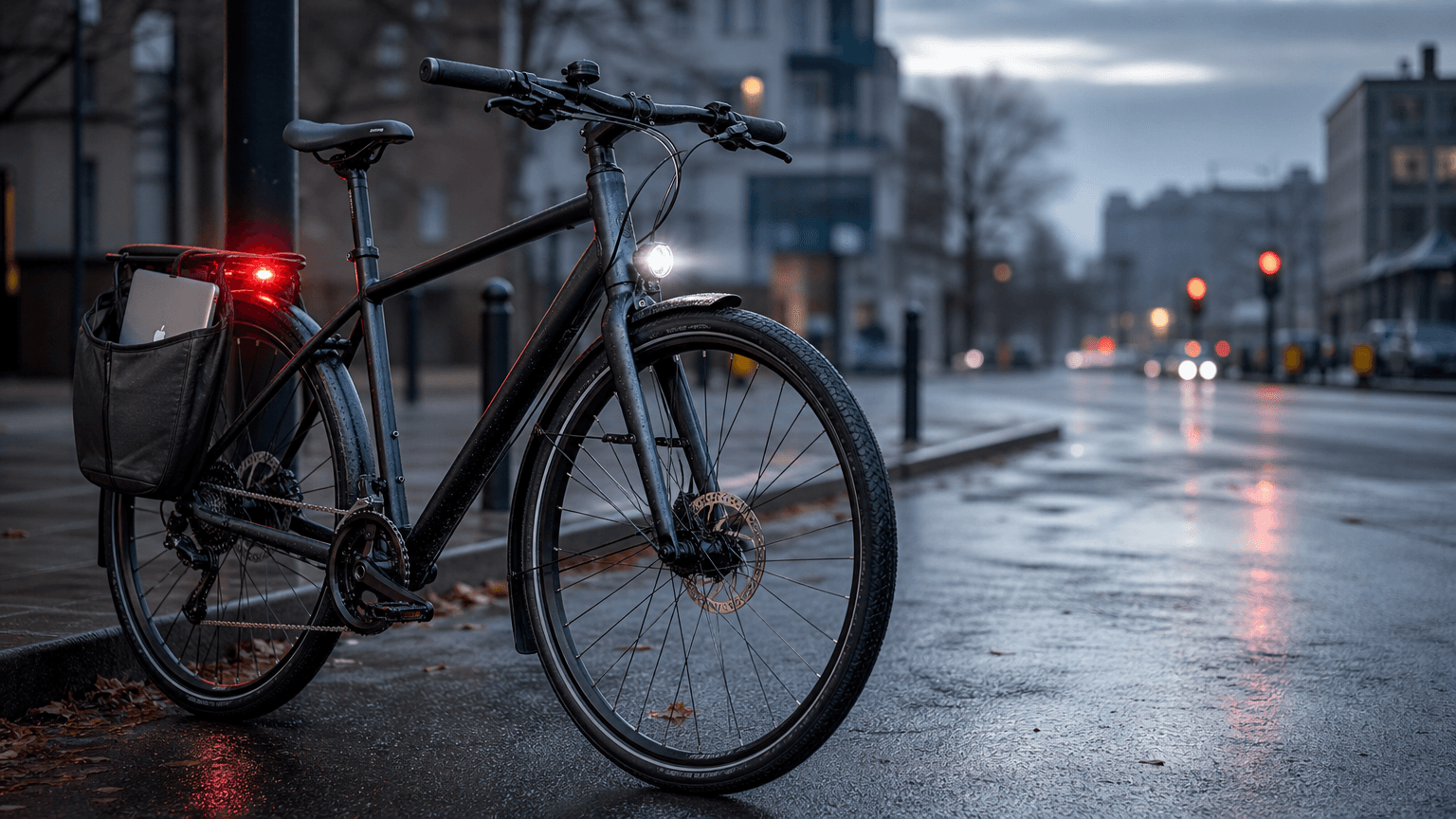
Your commute is a daily ride, not a weekend treat. The bike you choose needs to handle soaking tarmac in November, traffic-light stops on a hill, a pannier stuffed with a laptop, and a dark 7 a.m. start. Most buying guides cover the broad strokes, but few tell you exactly which spec decisions matter most for UK city riding or point you to the best-priced bikes available right now. This guide does both.
By the end, you'll have a clear commuter checklist, a decision tool for matching your commute profile to the right bike type, a concise shortlist of recommended categories with key specs called out, and a direct route to discounted city and commuter bikes from UK retailers.
Who this is for: anyone commuting by bike in a UK city, whether you're buying your first proper commuter or upgrading from a battered old hybrid. Difficulty: easy. No technical knowledge required. Time to read: 15 minutes.
The commuter bike checklist: what UK city riding actually demands
Before you look at brands or prices, run your shortlisted bike against this list. Every item has a genuine impact on daily use.
Mudguards (full-length) Clip-on race-style mudguards don't cut it in British winter. Full-length mudguards, front and rear, keep spray off your back, your bags, and the rider behind you. Look for models with mounting eyelets rather than seat-stay clamps; they're more stable and rattling-free.
Rear rack mounts A rear rack converts a bike into a real commuter tool. Without pannier eyelets on the frame and fork crown, you're stuck with a backpack. Check the frame spec sheet: look for M5 threaded bosses on both the seatstays and the fork crown/low-rider mounts.
Lights (or the mounts and routing for them) Some commuter bikes ship with integrated or dynamo lighting, which is the gold standard. Most don't. At minimum, confirm the frame has somewhere sensible to mount a front light and a rear light. More on legality in the next section.
Gearing suited to stop-start city riding A double-chainring road bike setup isn't ideal for traffic lights every 200 metres. Wide-range gearing (either a triple, a wide 1x cassette, or an internal hub) means you can spin away from stops and still push into a headwind on a longer stretch.
Puncture-resistant tyres, 32–42 mm wide Narrow 23c slicks on broken city tarmac is a punishing combination. A 35–40 mm commuter tyre with a puncture-protection belt (such as Schwalbe's Marathon range or Continental's Contact Urban) absorbs road debris, keeps you rolling over pothole edges, and still rolls efficiently on tarmac. Wet-grip compound matters as much as width.
Brakes that work in the wet Disc brakes, whether hydraulic or mechanical cable-actuated, give consistent stopping power regardless of rim contamination from rain and road grit. Rim brakes work fine in dry conditions but fade noticeably in heavy rain. For year-round UK riding, hydraulic disc is the clear choice; mechanical disc is a reasonable compromise at lower price points.
Lock compatibility and frame weight Heavier bikes are less attractive to thieves but more inconvenient on stairs. Whatever the bike weighs, budget for a quality D-lock or chain lock. Frames with thin seat tubes or unusual shapes can complicate locking to standard Sheffield stands. Check this before buying. You'll find discounted bike locks and security gear worth checking alongside your bike purchase.
UK cycle lighting legal requirements: what you must have
According to Cycling UK's lighting regulations explainer, the legal minimum for cycling between sunset and sunrise in the UK (under the Road Vehicles Lighting Regulations, RVLR) is:
- A white front light (clean and working)
- A red rear light (clean and working)
- A red rear reflector
- Amber pedal reflectors (one on the front and one on the back of each pedal)
The pedal reflectors are the one most commuters omit. If your pedals don't have them factory-fitted, you need to add them separately or switch to pedals that include them.
Lights must also be positioned correctly: the front light on the front of the bike, the rear light on the rear, visible from a reasonable distance. The regulations don't specify a minimum lumen output, but visibility is the standard. A 200-lumen front and 50-lumen rear will satisfy the law; for city daytime visibility, 400+ lumens front and a flashing rear of 50–100 lumens is more sensible. Rechargeable USB lights from brands like Lezyne or Exposure cover both bases. There's currently a discounted Lezyne Multi Drive 1000 front LED light at Merlin Cycles if you need a quality front unit without the full retail price.
Quick compliance checklist:
- [ ] White front light fitted and charged
- [ ] Red rear light fitted and charged
- [ ] Red rear reflector present on the rear of the bike
- [ ] Amber pedal reflectors on all four pedal faces
Which bike type suits your commute?
Different commutes call for different bikes. Use the decision points below to find your match.
Flat city commute, up to 10 miles, secure bike parking
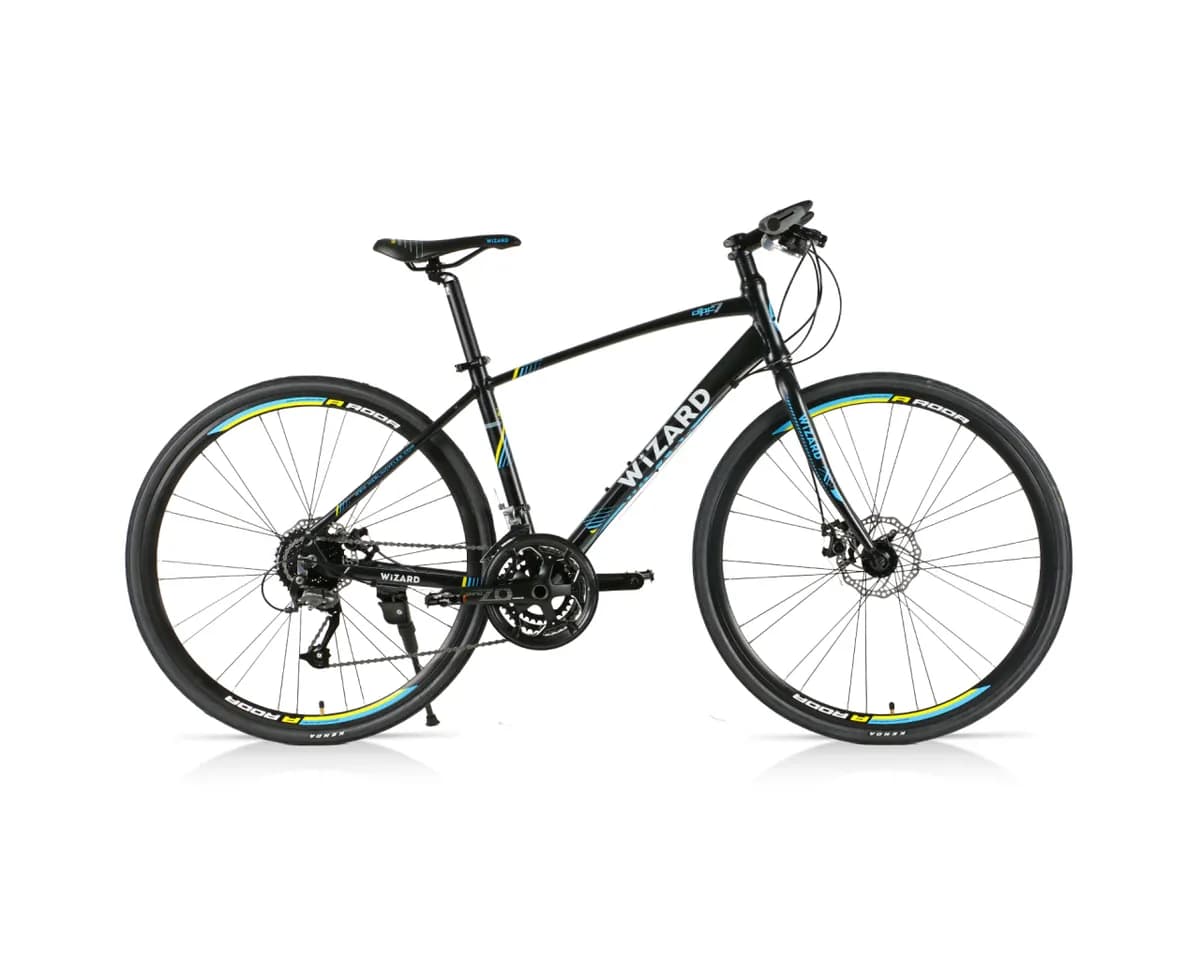
A hybrid or flat-bar city bike is the default correct answer. Brands like Giant (Escape or Roam series), Trek (FX or Dual Sport), Ridgeback, Marin (Fairfax or Larkspur), and Boardman's HYB range all fit this category well. They come with rack and mudguard mounts, wide tyres, and a relaxed riding position. Decathlon's Riverside range offers serious commuter spec at entry-level prices. The Trek Dual Sport 1 Gen 5 is currently discounted at 23% off RRP and sits squarely in this category.
Hilly commute, or 10+ miles each way
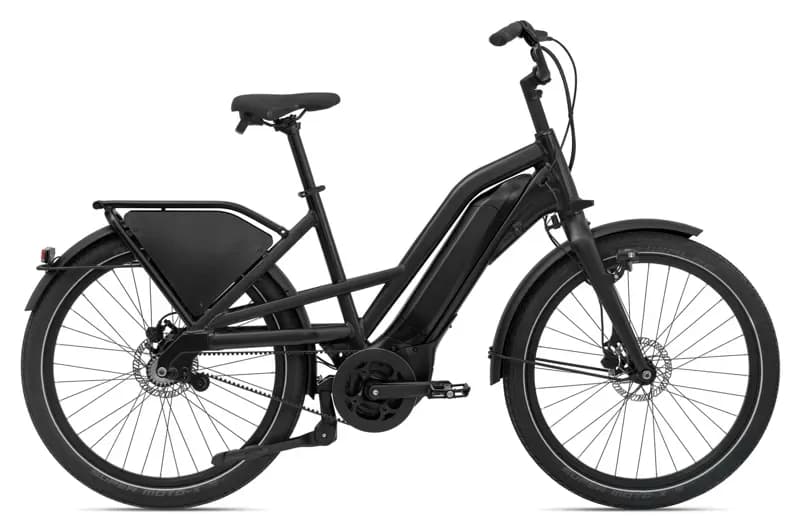
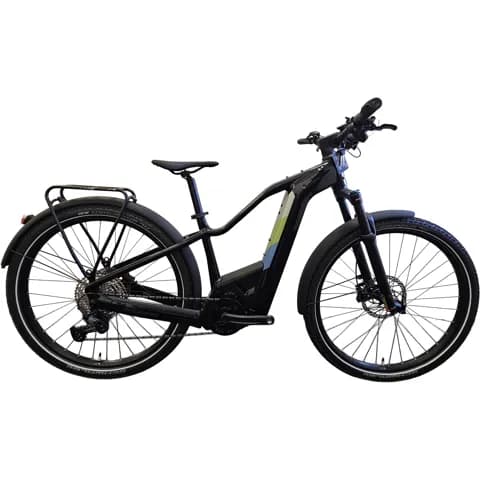
Add an e-bike to your consideration list. Pedal assist flattens hills and cuts journey time on longer distances. The best city-focused e-commuters (think Raleigh Array, Specialized Turbo Como, Cannondale Treadwell Neo, or Boardman's HYB 8.9E range) include rack mounts, mudguards, and integrated or frame-mounted battery systems. The Boardman HYB 8.9E is currently 17% off at Halfords. See the full range of discounted e-bikes for current pricing across UK retailers.
For those who want a more capable setup on mixed surfaces and occasional off-road shortcuts, a gravel bike with flat bars (such as the Genesis Croix de Fer Flat Bar or a Canyon Roadlite) performs well. Wide tyre clearance, rack mounts, and disc brakes make it a versatile all-conditions machine. Browse current gravel bike deals for discounted options from Merlin Cycles, Sigma Sports, and Freewheel.
Multi-modal: train + bike or limited storage
A folding bike is the answer. Brompton is the benchmark: compact fold, excellent mudguard coverage, wide gearing options including a 6-speed variant, and high resale value. Tern Link and Dahon alternatives come in at lower price points. The trade-off is a more upright riding position and smaller wheels that make them less comfortable on very long distances. For a commuter who combines cycling with public transport, the fold-and-carry advantage outweighs this entirely.
Year-round, low-maintenance priority
Consider a belt-drive / internal hub specification. Brands like Ridgeback (Speed range), Pashley, and some Specialized models use Shimano Nexus or Alfine internally geared hubs paired with a Gates Carbon Drive belt. There's no exposed chain to degrease in winter, no derailleur to knock out of alignment. These bikes cost more upfront but dramatically reduce maintenance time over a full year.
Recommended picks by commute type
Each of these covers the core spec flags: mudguard and rack status, gearing, tyre width, brakes, and who it suits best.
Best for flat city, everyday use: Trek FX 3 Disc / Dual Sport range Mudguards: mounting points included, not always supplied. Rack: rear mounts standard. Gearing: 2x (FX 3) or 1x wide-range (Dual Sport). Tyres: 35–40 mm. Brakes: hydraulic disc. Best for: reliable, versatile, buy-once hybrid. Check the current Dual Sport deal above.
Best for hills or long distances: Boardman HYB 8.9E / Raleigh Array / Carrera Subway E Mudguards: fitted as standard on most variants. Rack: rear rack included or mounts present. Gearing: pedal-assist motor plus derailleur. Tyres: 35–42 mm. Brakes: hydraulic disc. Best for: hilly routes, tired legs, fast journeys. The Raleigh Trace electric hybrid is currently 48% off at Tredz.
Best for low-maintenance, year-round: Ridgeback Speed / belt-drive internal hub category Mudguards: factory-fitted full-length. Rack: rear rack standard. Gearing: Shimano Nexus 8 internal hub. Tyres: 35–40 mm puncture-resistant. Brakes: disc or V-brake depending on model. Best for: anyone who won't maintain a chain through winter. Cycling accessories including panniers and commuter bags are worth bundling with these bikes.
Best for multi-modal: Brompton C Line / Tern Link C8 Mudguards: factory-fitted full-length. Rack: front carrier standard (Brompton). Gearing: 3- or 6-speed hub (Brompton), 8-speed derailleur (Tern). Tyres: 16 or 20-inch puncture-resistant. Brakes: calliper or mini-V. Best for: train commuters, office storage, urban unpredictability.
Best for mixed surfaces and longer routes: Genesis Croix de Fer Flat Bar / Canyon Roadlite Mudguards: eyelets present, often sold without. Rack: full mounts present. Gearing: 1x or 2x with wide cassette. Tyres: 35–40 mm tubeless-ready. Brakes: hydraulic disc. Best for: longer commutes with rough stretches, weekend rides too.