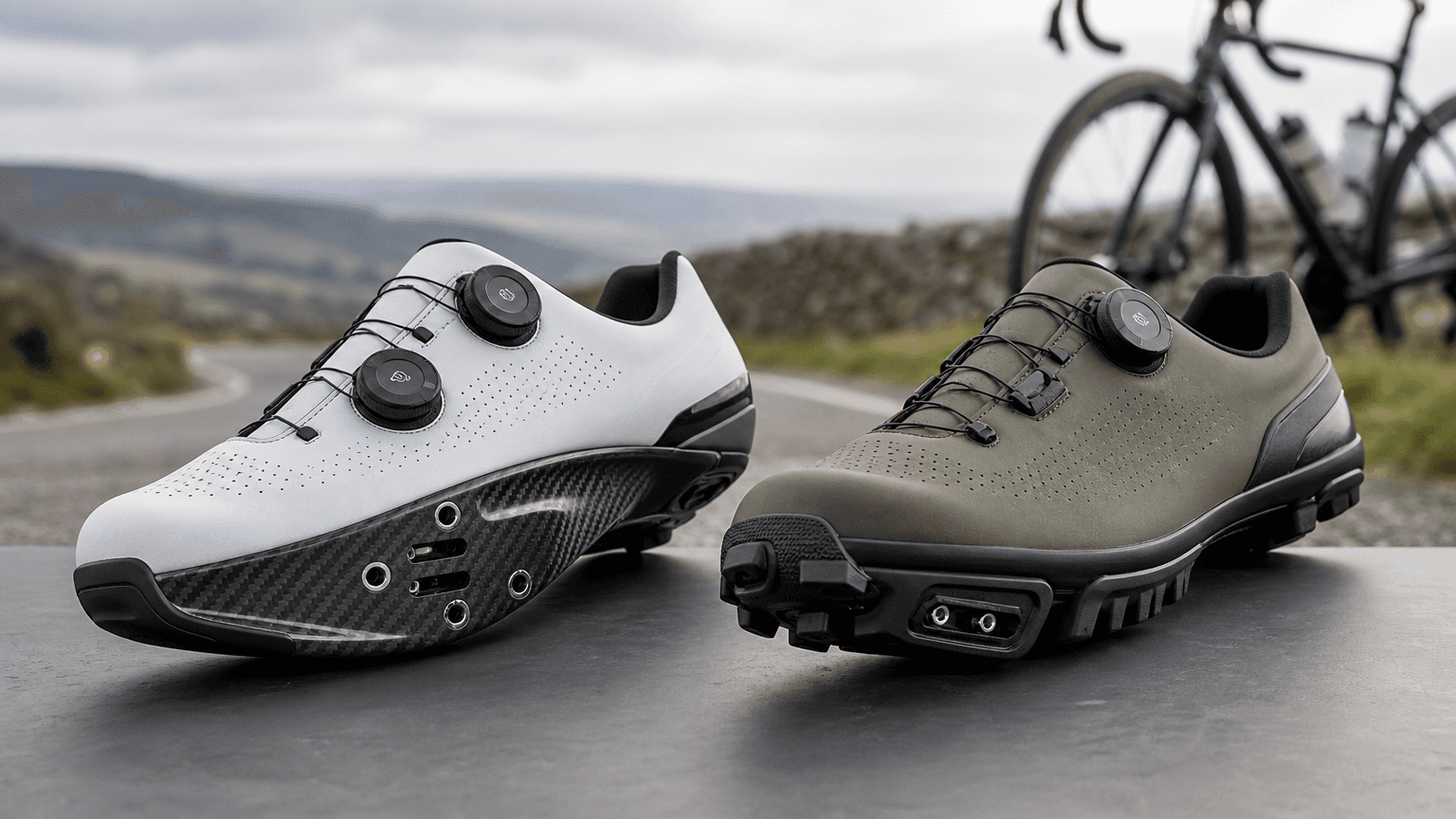
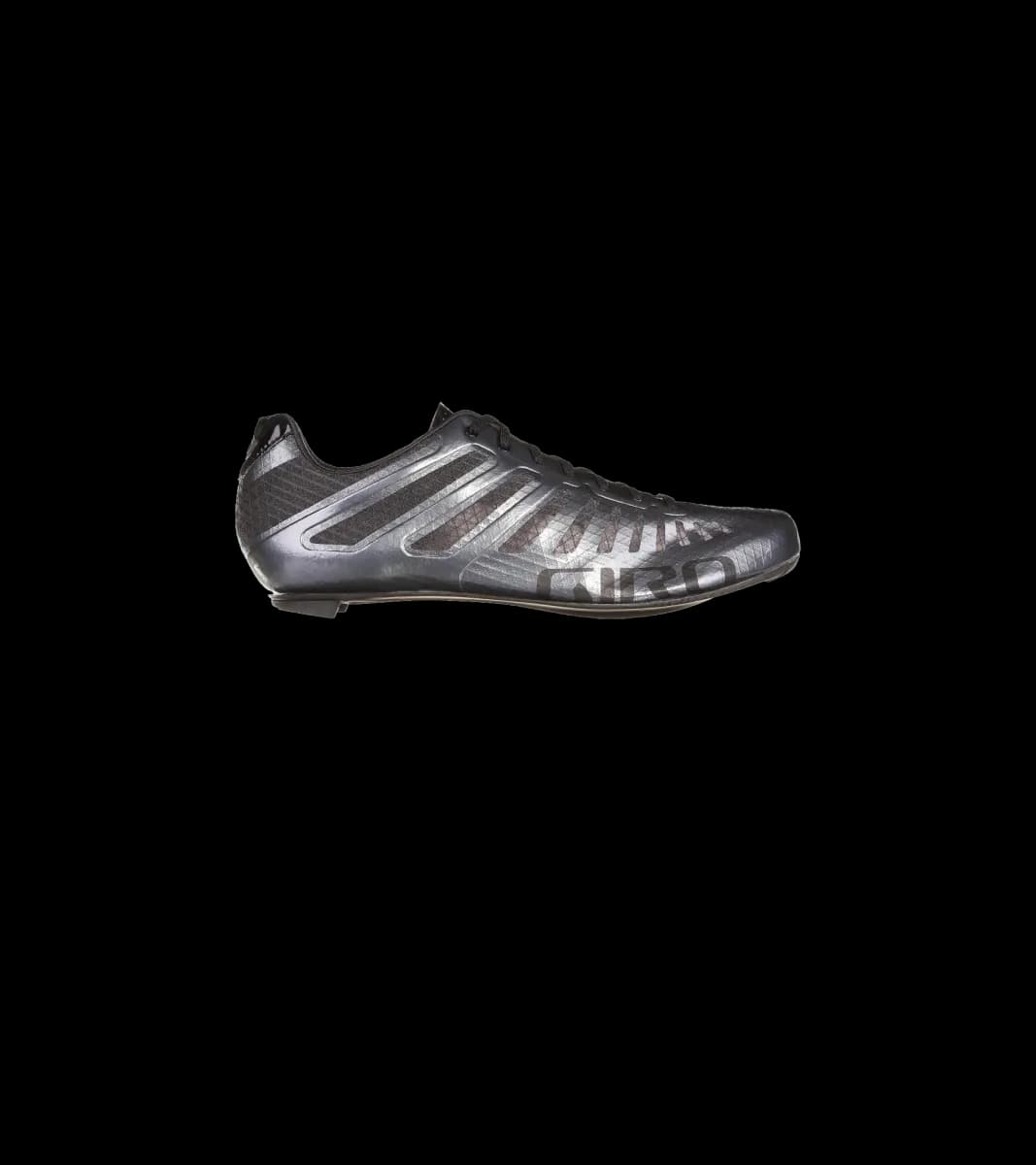
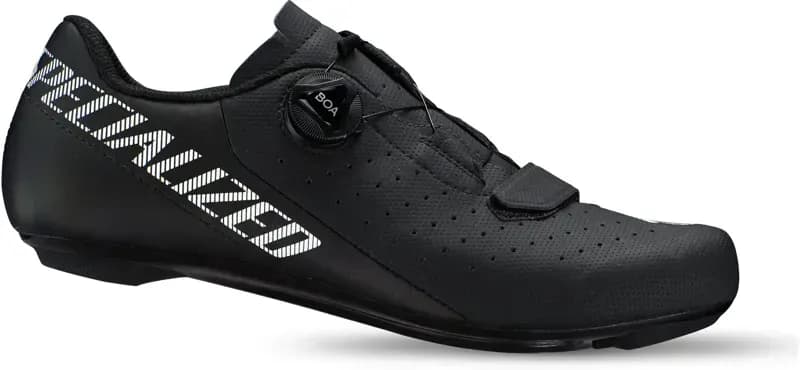
Clipless shoes are one of the few upgrades you feel on every pedal stroke, and one of the easiest to overspend on. Flagship S-Phyre, S-Works and Super Raccordo models shave grams and add exotic closures; they do not magically make a poorly fitted £130 shoe slower than a £300 pair that pinches. For UK club, sportive and gravel riding, the value band is carbon-reinforced to full-carbon soles between about £100 and £220, bought on sale from specialist retailers.
This guide covers road (3-bolt SPD-SL / Look Keo) and gravel (2-bolt SPD) shoes. It is separate from our MTB shoes guide, which is about trail flats, SPD enduro shoes and wet-root grip. Recommendations use manufacturer stiffness and closure specs plus typical UK prices. Cycling Deals UK has not wear-tested these models in-house.
30-second chooser:
Mostly tarmac, SPD-SL or Look pedals: 3-bolt road shoe.
Gravel, mixed surfaces, or you walk at all: 2-bolt SPD with a recessed cleat.
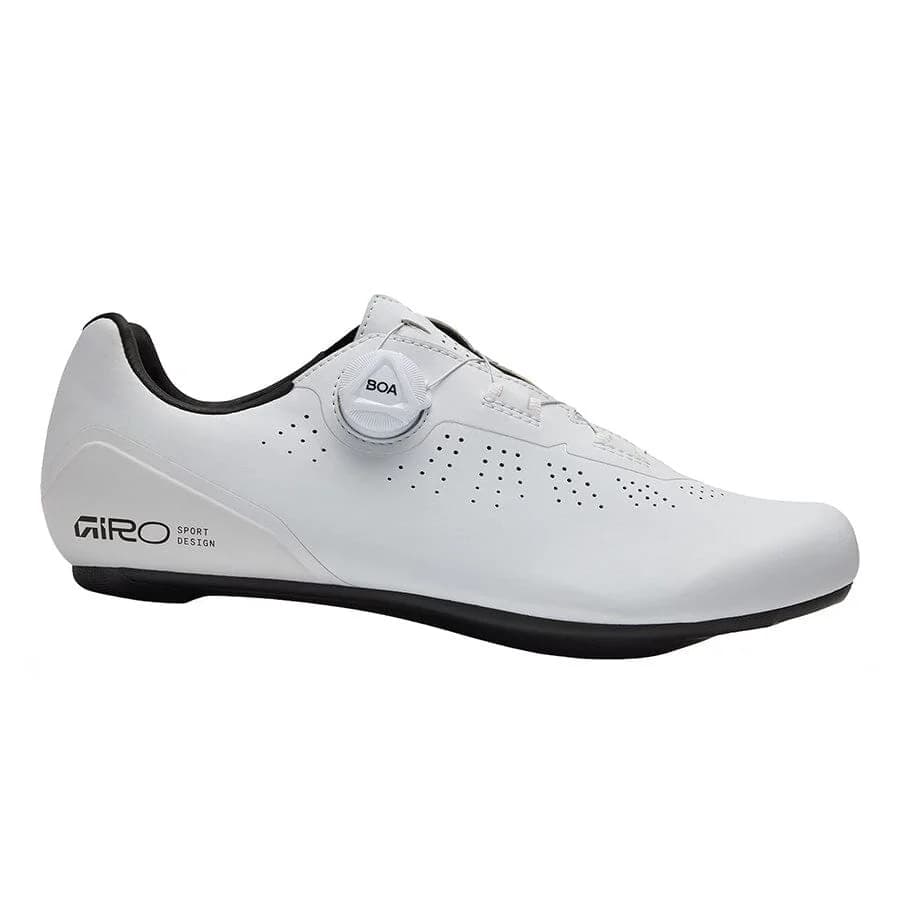
Wide forefoot: Giro Cadet II or Fizik Tempo Overcurve R5 (road); Fizik Terra Atlas (gravel).
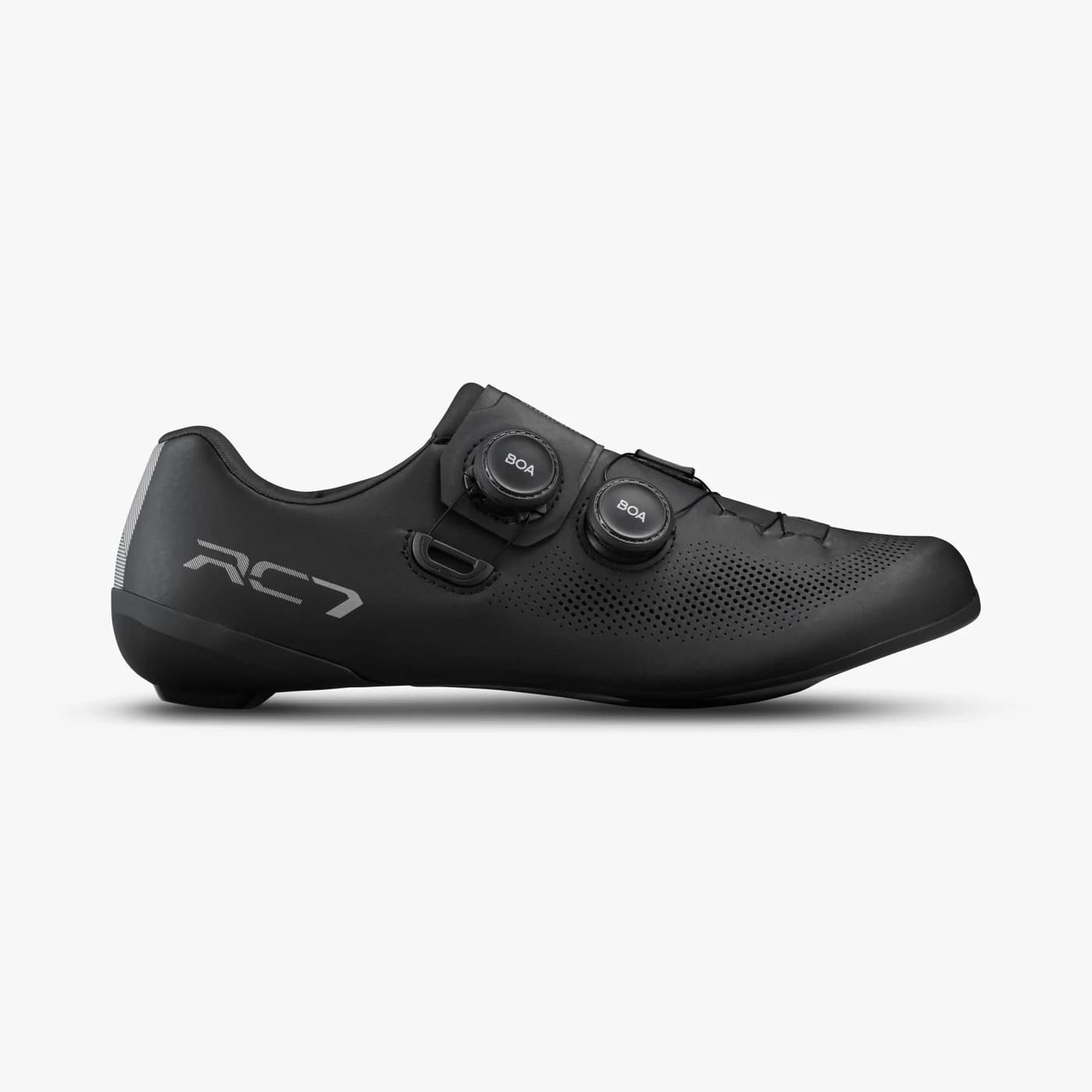
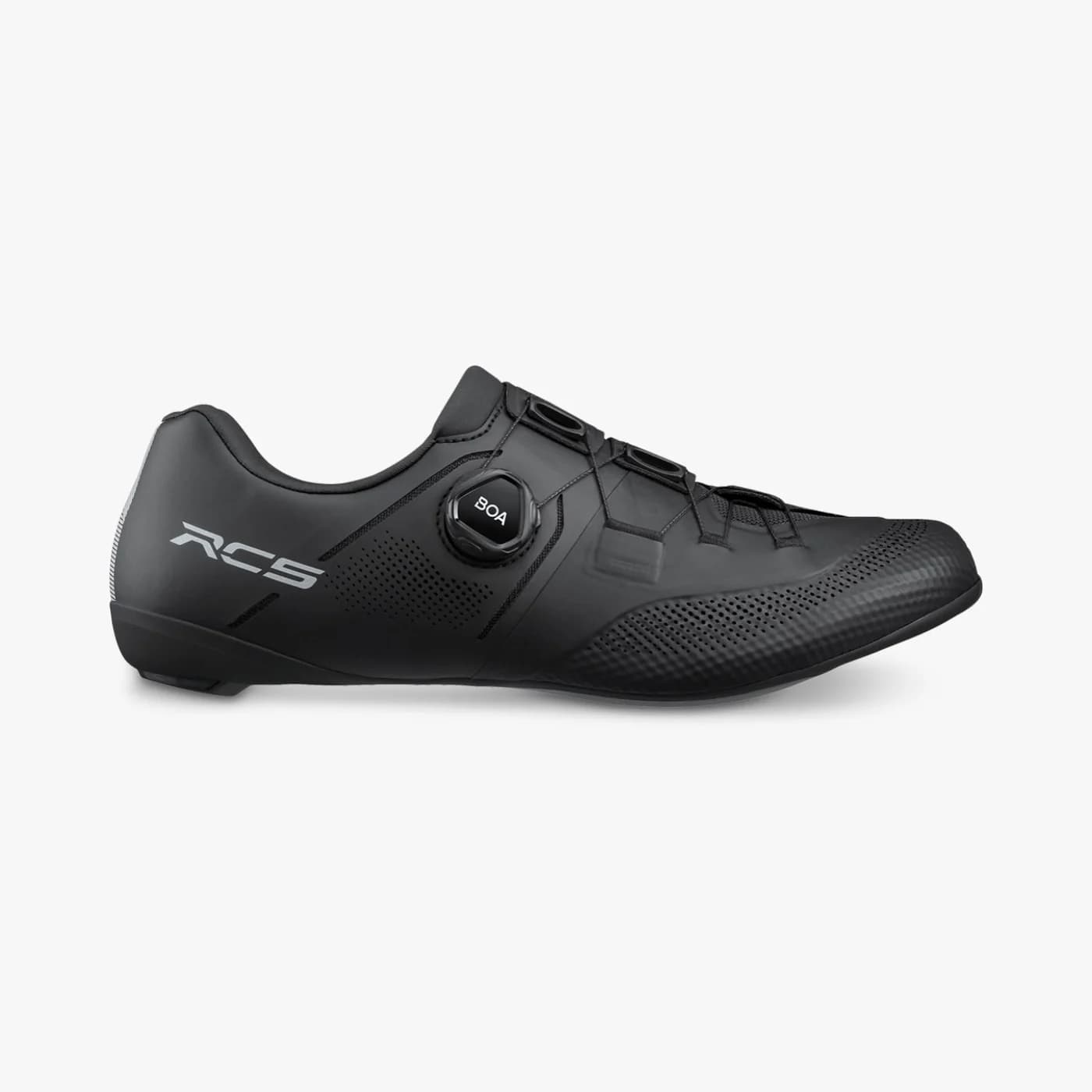
Best performance-per-pound road: Shimano RC7 on sale; if that is too stiff or too dear, RC5.
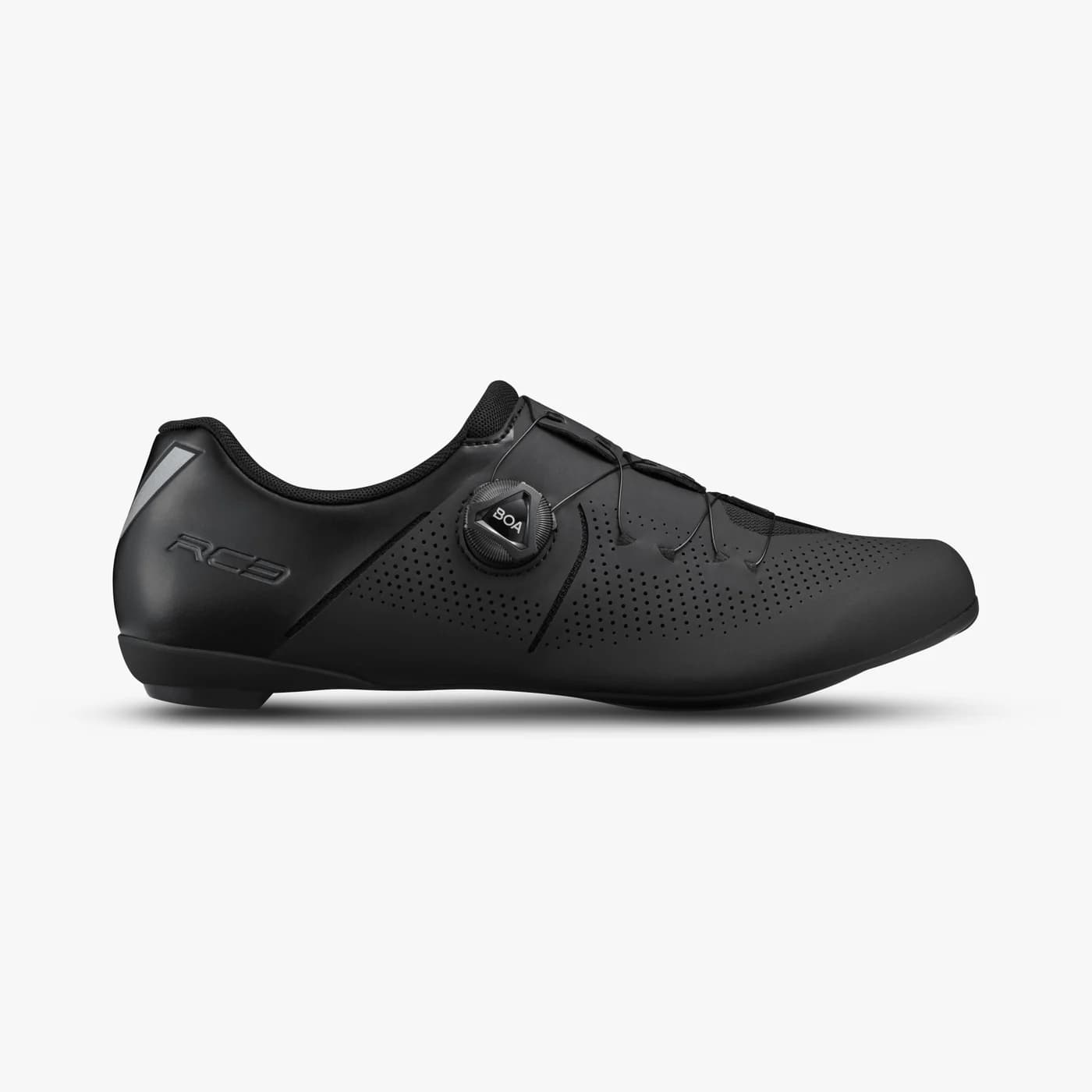
First clipless road shoe: RC3 or Cadet II.
Cleats first, then stiffness, then last shape
Buying the wrong bolt pattern is expensive. SPD-SL and Look Keo both use 3-bolt road soles but the cleats are not interchangeable. SPD (2-bolt) is the gravel/commute standard and walks because the cleat sits in a recess. If your road bike already has 105 or Ultegra pedals, you need 3-bolt shoes. If you want one shoe for road and bridleways, switch the road bike to SPD pedals rather than forcing a 3-bolt shoe to walk.
Shimano’s stiffness index (roughly 2–12) is a useful mental model even on other brands. Mid 5–7 suits most UK sportives. High 8–10 is for fast group rides and racing. Maximum 11–12 is S-Phyre territory — only worth it if the last already fits. A well-fitted mid-stiff shoe is faster over four hours than a stiff shoe that creates a hotspot.
Fit checks: zero heel slip; the ball of the foot sits on the widest part of the last; you can wiggle toes. Measure both feet in the evening. Shimano, Giro and Specialized publish wide options on several models below. BOA tension should be snug after 20 minutes of riding, not numb. If hotspots remain after eight rides, the last is wrong — not “still breaking in.”
Typical UK prices, August 2026. Check footwear deals before paying RRP.
Model
Discipline
Cleat
Closure
Sole
Typical UK price
Best for
Shimano RC7 (RC703)
Road
SPD-SL 3-bolt
Dual BOA
Full carbon (high)
~£179–£220
Best overall performance value
Shimano RC5 (RC503)
Road
SPD-SL 3-bolt
Dual BOA
Carbon composite
~£128–£150
Best mid-range
Shimano RC3 (RC302)
Road
SPD-SL 3-bolt
BOA + 2 straps
Carbon-reinforced nylon
~£90–£110
Best budget road
Giro Cadet / Cadet II
Road
3-bolt (SPD-SL / Keo)
BOA (+ strap on Cadet)
Nylon-fibreglass
~£100–£175
Best wide-fit budget
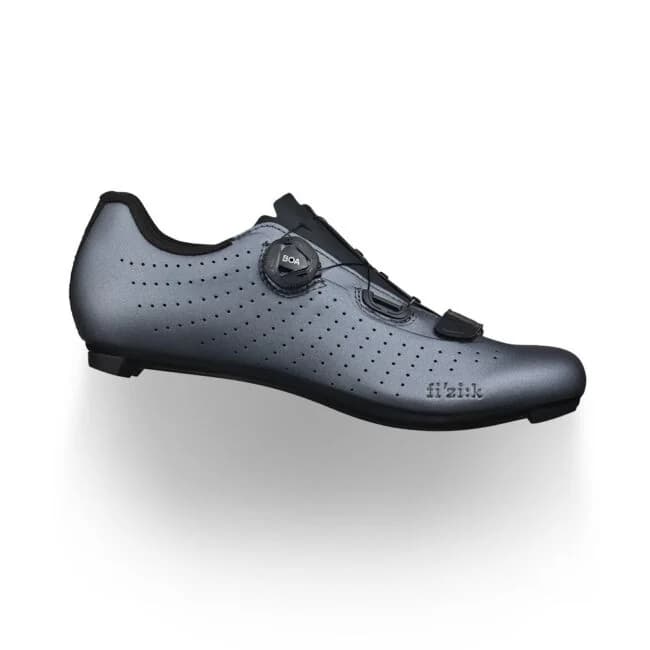
Fizik Tempo Overcurve R5
Road
3-bolt
BOA + strap
Carbon-reinforced nylon
~£130–£160
Best endurance fit
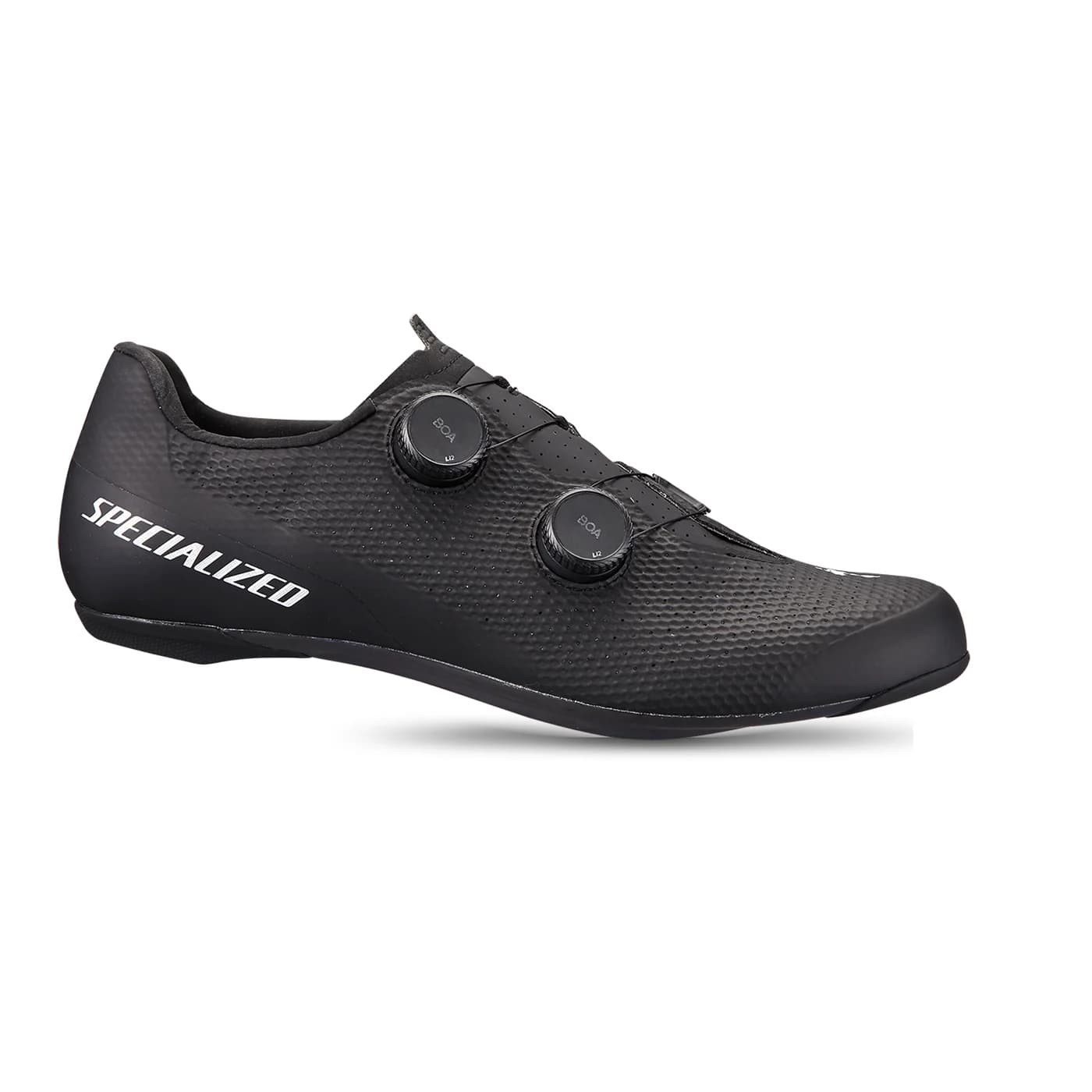
Specialized Torch 3.0
Road
3-bolt
Dual BOA Li2
Unidirectional carbon
~£180–£230
Best comfort alternative
Shimano RX8 (RX801)
Gravel
SPD 2-bolt
Dual BOA
Carbon / stiff gravel
~£180–£250
Best gravel performance
Fizik Terra Atlas
Gravel
SPD 2-bolt
Single BOA
Nylon + rubber, stiffness 5
~£120–£150
Best walkable gravel
RX6 and GF8 sit under RX8 if you want the same SPD system for less money. Wide-fit RC3 and RC7 exist if Shimano’s standard last is narrow.
1. Shimano RC7 (RC703) — best overall performance value
RC7 is Shimano’s race shoe without S-Phyre money. It uses S-Phyre-derived surround wrapping, a low-stack carbon outsole, Power Zone lace guides and dual micro-adjust BOA L6Z dials. Independent write-ups routinely describe it as uncomfortably close to RC9 for most riders who are not sponsored. UK street prices around £179–£220 (wide versions included) are the value story: you get high stiffness and a proper race last without the flagship tax. Walkability is poor, as with any proud 3-bolt road sole.
Why we recommend it: This is the performance ceiling that still counts as “for the money.” If you ride fast group rides or sportives and already know you like Shimano’s last, stop before RC9.
Pros:
Full carbon sole; dual BOA; wide option 40–50
Fit technology shared with S-Phyre at a lower price
Strong UK stock from Sigma, Tredz and Merlin
Cons:
Narrow-to-standard last unless you order Wide
Almost useless for walking café stops
Best for: Club racers and sportive riders who want near-flagship stiffness.
The jump from RC3 to RC5 is the one most UK riders should pay for: dual BOA instead of straps-plus-dial, and a stiffer carbon composite sole. Typical UK price £128–£150. It is still a mid-stiffness shoe rather than a full race plate, which is why it works for 3–5 hour days. The last is on the snug side — try Wide if RC7 Wide is your other option and RC5 feels pinched.
Why we recommend it: 80–90% of RC7’s usable performance at a price that often sits in the same basket as last-season RC3. If you buy one road shoe and ride mixed club pace, buy this.
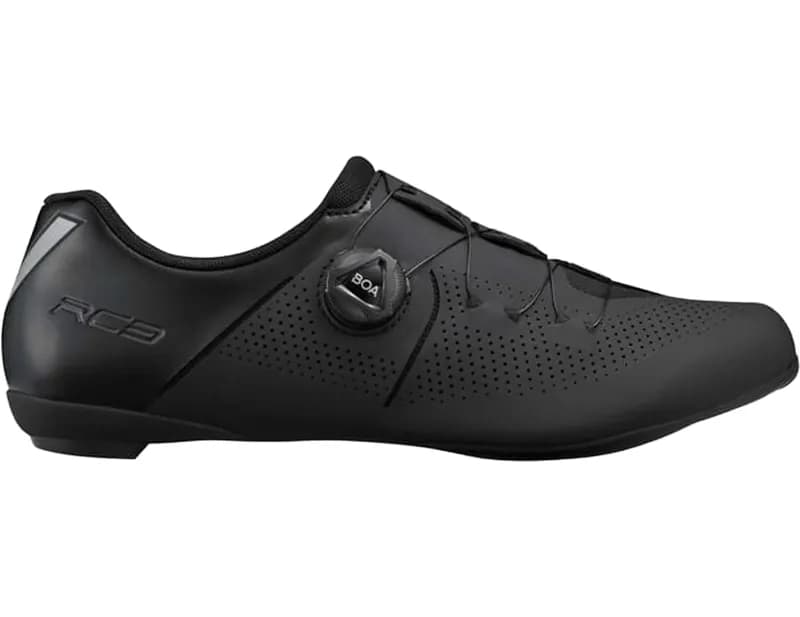
RC3 is the sensible first clipless road shoe: carbon-reinforced nylon sole, BOA plus two straps, SPD-SL, and a Wide variant that is genuinely useful. Around £90–£110, sometimes less. Stiffness is moderate — enough for club rides, not the last word on a hilly 160 km. Heat dissipation is poorer than RC5/RC7 mesh-and-perforation uppers.
Why we recommend it: The Wide RC302 solves the “road shoes crush my little toe” problem without jumping to Lake or a custom last. As a first pair, or a spare pair for the turbo, it is the budget benchmark.
Pros:
Wide fit available; simple, serviceable closure
SPD-SL compatibility with 105/Ultegra/Dura-Ace pedals
Street price near £100
Cons:
Moderate stiffness; warmer upper
Looks and feels a tier below RC5
Best for: First clipless upgrade and wider feet on a budget.
Giro’s Cadet family uses a more generous last than Shimano’s standard road shoes, a one-piece synthetic upper with laser perforation, and an injected nylon-fibreglass plate rather than full carbon. Cadet II moves to a single BOA L6; the older Cadet added a forefoot strap. Both accept SPD-SL and Look Keo 3-bolt cleats. RRP on Cadet II can approach £175; older Cadet stock often appears nearer £100. That sale price is the “for the money” buy.
Why we recommend it: If Shimano feels like a vice at the fifth metatarsal, Giro’s last is the usual fix at this budget. Slightly less stiff than RC5, more wearable on long days for many UK feet.
Pros:
Wider forefoot than typical Shimano road lasts
3-bolt sole works with SPD-SL or Look
BOA micro-adjustment; light plate
Cons:
Not as stiff as RC7 carbon
Cadet II full RRP is less compelling than discounted Cadet
Best for: Beginners and wider feet who need 3-bolt compatibility.
Overcurve is Fizik’s staggered collar: the opening wraps from the outside of the ankle toward the inside, following the two ankle bones. Combined with a Microtex upper, BOA IP1 dial and a forefoot strap, it is one of the better endurance fits for a wide-ish forefoot. The R5 carbon-reinforced nylon sole is mid-stiff — Fizik positions it for all-day riding, not bunch sprints. Typical UK sale price £130–£160. Weight is about 246 g per shoe in size 42.
Why we recommend it: Endurance riders who get little-toe hotspots in Shimano often land here. You give up some sprint stiffness and gain a last that still works at hour five.
Pros:
Overcurve last; BOA plus strap; 3-bolt road pattern
Mid stiffness suited to long UK rides
Distinct fit if Shimano and Specialized feel wrong
6. Specialized Torch 3.0 — best comfort alternative
Torch 3.0 sits under S-Works and uses Body Geometry (varus wedge, longitudinal arch, metatarsal button), a unidirectional carbon plate, dual BOA Li2 and a seamless TPU/mesh upper. Approximate 288 g per half-pair in size 42. It is the comfort-and-alignment alternative to Shimano RC7: similar price band (~£180–£230), different last and a carbon plate that Specialized tunes for balanced stiffness rather than maximum race smack. Torch 2.0 remains a valid buy when heavily discounted if you want Body Geometry without 3.0 money.
Why we recommend it: If you already run Specialized insoles, have a history of hot-foot, or Shimano’s heel volume is wrong, Torch 3.0 is the value carbon road shoe that is not another RC-series clone.
Pros:
Body Geometry stack; dual Li2 dials; carbon plate
Rubber heel/toe pads for clipping in at lights
3-bolt compatibility
Cons:
Full price overlaps RC7; wait for 15–25% off
Last still will not suit every wide foot — try on
Best for: Riders who want carbon stiffness with Specialized’s comfort geometry.
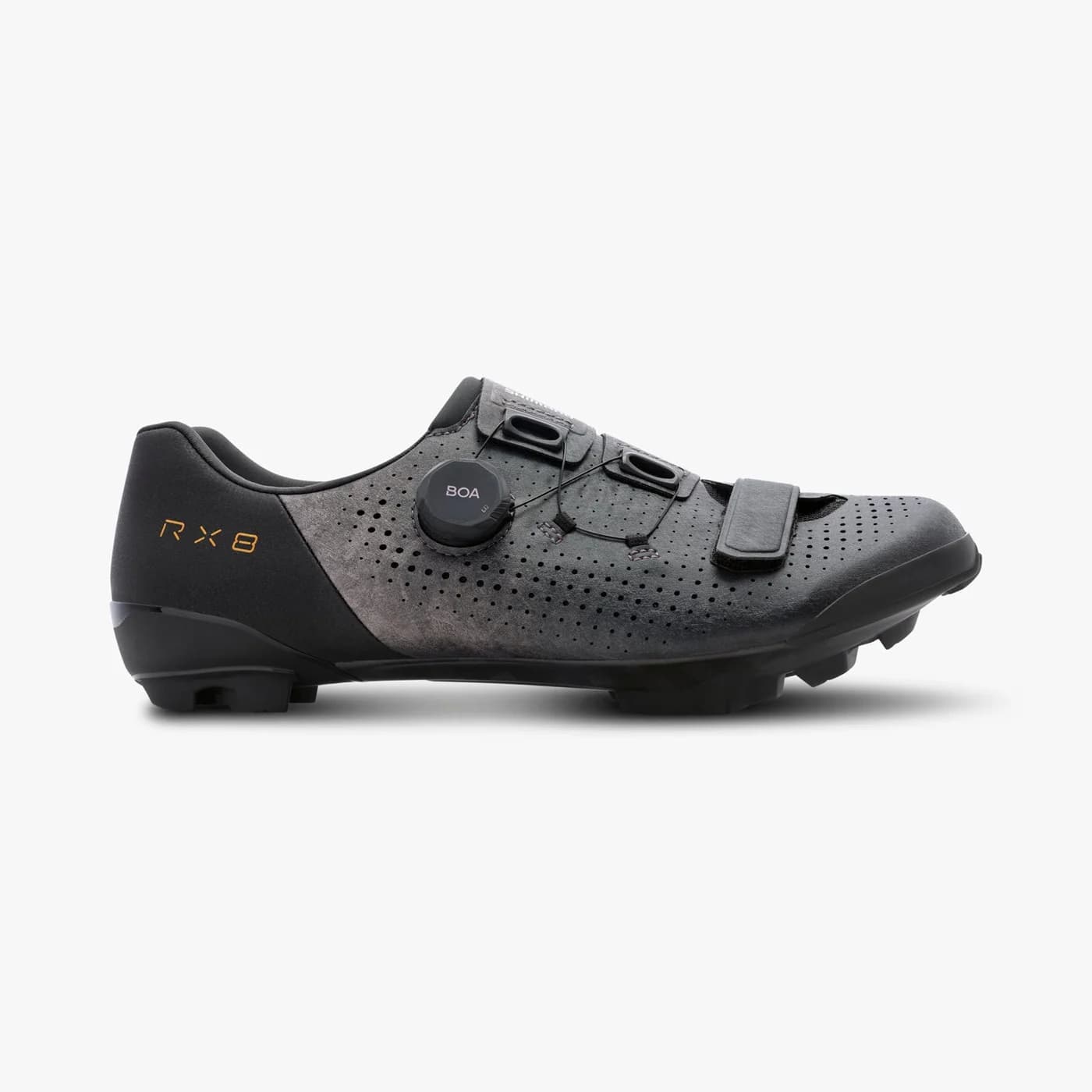
RX8 is Shimano’s fast-gravel shoe: SPD 2-bolt, stiff sole, dual BOA, enough rubber to walk a farm track without pretending to be a hiking boot. Typical UK price £180–£250. That is the top of this guide’s budget, so treat RX6 or GF8 as the money-saving siblings — same SPD system, less carbon, often £140–£180. Buy RX8 when you spend most of a gravel day in the saddle and want near-road power transfer; buy GF8/RX6 when the route includes proper hike-a-bike.
Why we recommend it: For UK gravel that is 80% riding, a stiff SPD shoe is more useful than a soft walkable shoe you will pedal for five hours. RX8 is that tool without XC-race spike soles.
Pros:
SPD walkability with high stiffness
Dual BOA; serious gravel/road-gravel crossover
RX6/GF8 exist if RRP stings
Cons:
Tread is modest versus Terra Atlas
Price needs a discount to feel like a bargain
Best for: Fast gravel and mixed days that stay mostly on the bike.
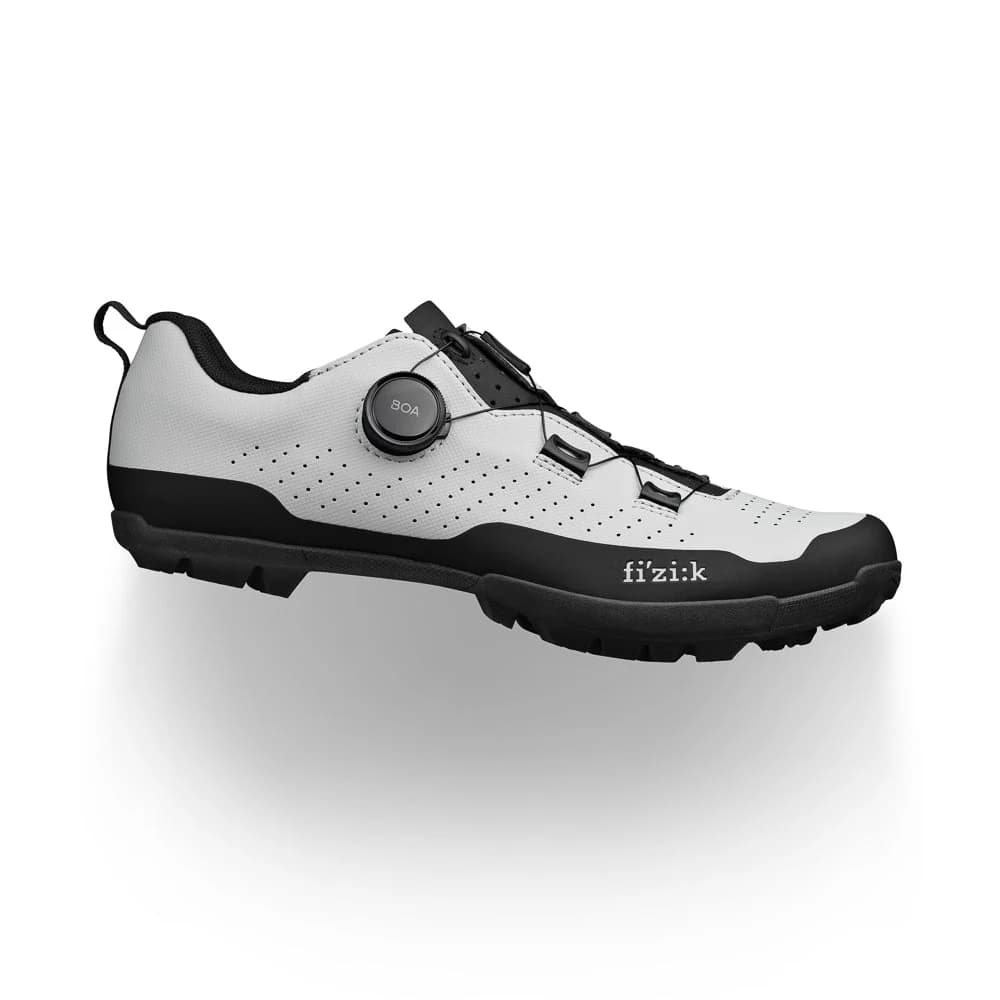
Terra Atlas is Fizik’s all-terrain shoe: generous last, single BOA Li2, PU upper, X5 nylon-and-rubber outsole with real lugs (Fizik stiffness rating 5), recessed SPD. About 355 g and typically £120–£150. It is slower on tarmac than RX8 and far nicer when you carry the bike up a wet Yorkshire bridleway. Toe TPU and a low-cut cuff keep it in the cycling-shoe world rather than turning into a trail trainer.
Why we recommend it: Walkability is a mechanical fact of recessed SPD plus rubber lugs. If your “gravel” includes gates, bog and café floors, Atlas is the value pick; RX8 is the speed pick.
Pros:
Generous fit; genuine off-bike grip; stiffness 5 for mixed days
Single BOA; UK availability
Sensible price versus carbon gravel race shoes
Cons:
Softer sole than RX8 on long road-gravel links
Heavier than a road shoe
Best for: Bikepacking, hike-a-bike gravel, and wider feet.
For muddy trail and enduro SPD or flat-pedal shoes, use the best MTB shoes guide instead.
See Deal for Terra Atlas and gravel shoe discounts.
How to buy without overpaying
Carbon-reinforced mid-tier shoes (RC3, RC5, Cadet, R5, Atlas) are where sale pricing hurts flagships most. Cyclingnews has recorded UK specialists taking 50%+ off seasonal footwear. A previous-colour RC7 at 25% off is usually a better ride than a full-price fashion colourway in a weaker last.
Are stiffer cycling shoes better? Only if they fit. Stiffer soles transfer power and can cause hotspots on long rides if cleat position or last shape is wrong. Mid stiffness is the UK sportive default.
SPD or SPD-SL for mixed riding? If you walk, SPD. If you never unclip except at lights and already own road pedals, SPD-SL. Do not buy 3-bolt shoes “to walk a bit” — they are miserable on tiles.
How tight should BOA be? Firm, not tingling. Loosen a quarter-turn if toes go numb inside 30 minutes. Feet swell; set them after a warm-up, not in the car park.
Can I use gravel shoes on a road bike? Yes, if you fit SPD pedals. The platform is smaller than SPD-SL. Fine at club pace; less ideal if you sprint in a bunch.
What is the best budget road shoe for wide feet? Shimano RC3 Wide or Giro Cadet / Cadet II, depending which last matches your forefoot. Try both if a shop will let you.
Should I buy RC9 / S-Works instead of RC7 / Torch 3.0? Only if the cheaper last already fits perfectly and you will use the extra stiffness. Most UK riders will not measure a flagship advantage on the road.