OnGuard
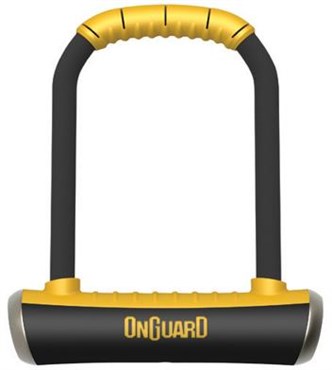
OnGuard Brute Standard Shackle U-Lock - Gold Sold Secure Rating
From £44.99
Lowest ever £44.99 · seen 10 August 2026
2 retailer offers
The current best price for OnGuard Brute Standard Shackle U-Lock - Gold Sold Secure Rating is £44.99 from Tweeks Cycles. The lowest price we have recorded is £44.99 on .
Gold Sold Secure Rating The OnGuard Brute U-Lock has the highest security rating in the cycling world, an insurance friendly Gold Sold Secure rating. You can be sure your pride and joy is as secure as it can be when you’re at work, at the shops or just popping into the cafe. The Brute is made from a single piece of hardened 16mm steel with a locking mechanism which is protected against drilling and picking. To make sure you don’t damage your paintwork the entire lock is rubberised. You also get five keys (one with an LED), so there are plenty of spares if you’re prone to losing things. Key Features Gold Sold Secure ratingU-Lock 115 x 202 x 16.8mmMassive 16mm Hardened Ultra Steel Shackle ProvidesMaximum Cut Resistance.Protective Vinyl Coating.Quattro Bolt Locking Mechanism.5 Laser Cut Keys And Integrated Dust CoverMicrolight Key Projects A Highly Focussed BeamAll Tube Mounting BracketAnti-Theft Guarantee Shackle Dimensions: (W x H x Diam) 111mm x 260mm (4.53" x 7.96") x 16.8mm (0.66") Additional Features: Snap Lock Quick Release multi- position mounting bracket 5 laser cut keys (1 micro-light and 4 extra grip keys) Micro-light key projects a bright white beam
Current offers
| Retailer | Price | Stock | Link |
|---|---|---|---|
| Tweeks Cycles | £44.99 | In stock | Get deal(opens in a new window) |
| Tredz | £45.99 | In stock | Get deal(opens in a new window) |
Always confirm on the merchant site before buying.
Price history
| Date | Retailer | Price | Link |
|---|---|---|---|
| 10 Aug 2026, 21:59 | Tweeks Cycles | £44.99 | Visit retailer(opens in a new window) |
| 10 Aug 2026, 21:59 | Tredz· Black/Yellow | £45.99 | Visit retailer(opens in a new window) |
Observations are stored when a feed price or stock status changes. Early history may only show the first sighting until the next change.