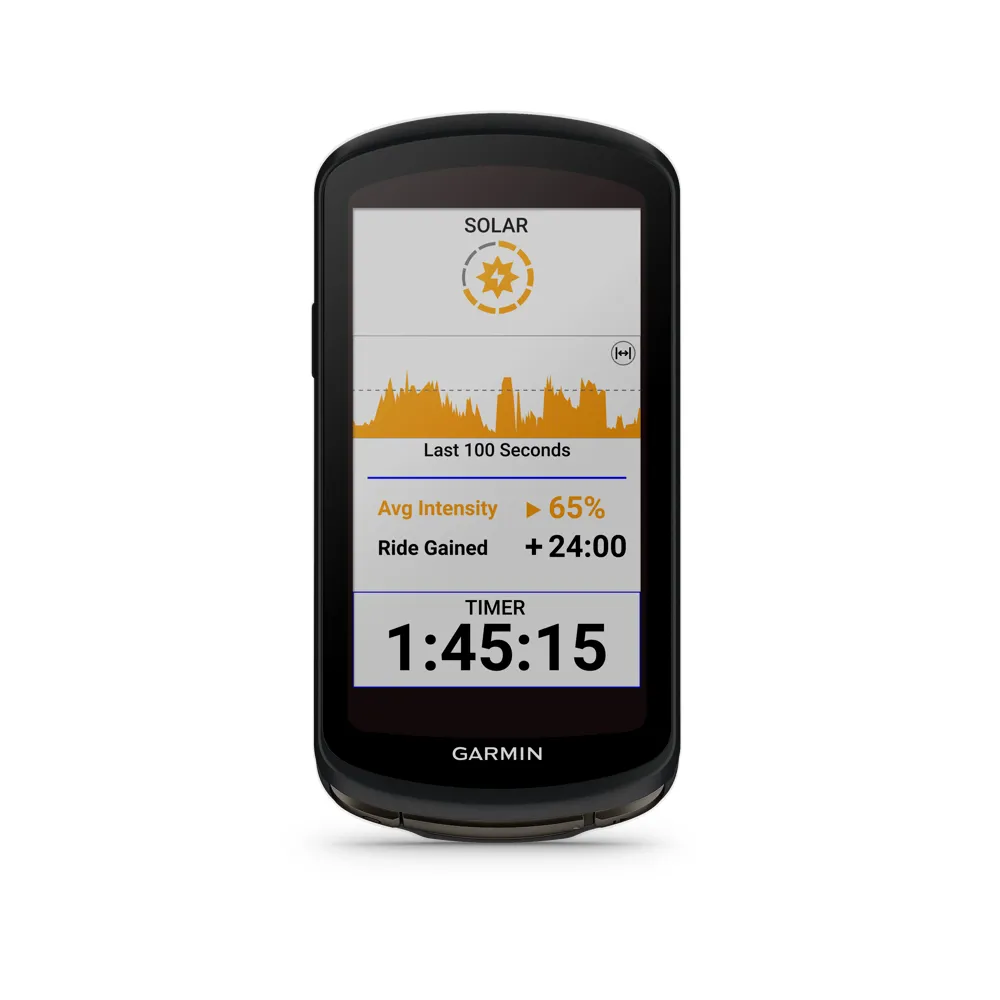
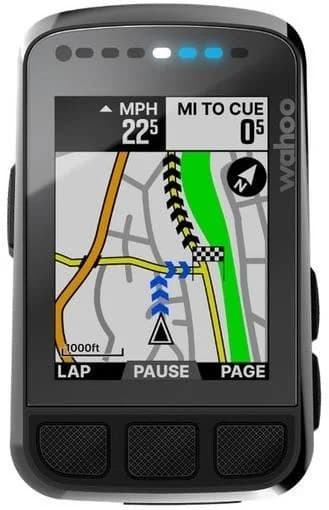
Flagship GPS computers are easy to overspend on. A Garmin Edge 1050 or Wahoo ELEMNT Ace will do everything; most UK club riders do not need everything. This guide is for people who want navigation, battery life, and sensor support without paying for a bigger screen they will never fill with data fields.
It sits alongside our best cycling computer guide, which goes deeper on flagships and battery tables. Here the ranking is value: what you get per pound at typical 2026 UK prices, especially when last year's model is discounted.
Cycling Deals UK does not lab-test head units. Specs are manufacturer-rated; real-world battery on a wet British ride with sensors and mapping active is often 30–40% shorter. Check bike computer deals before you buy.
Quick chooser
Best overall value: Wahoo ELEMNT BOLT v2 (BOLT 3 where v2 has sold through). Simple buttons, 15-hour claim, often £220–£275.
Best training value: Garmin Edge 540. Garmin's coaching and ClimbPro without Edge 840 money. Street prices have been around £260–£310.
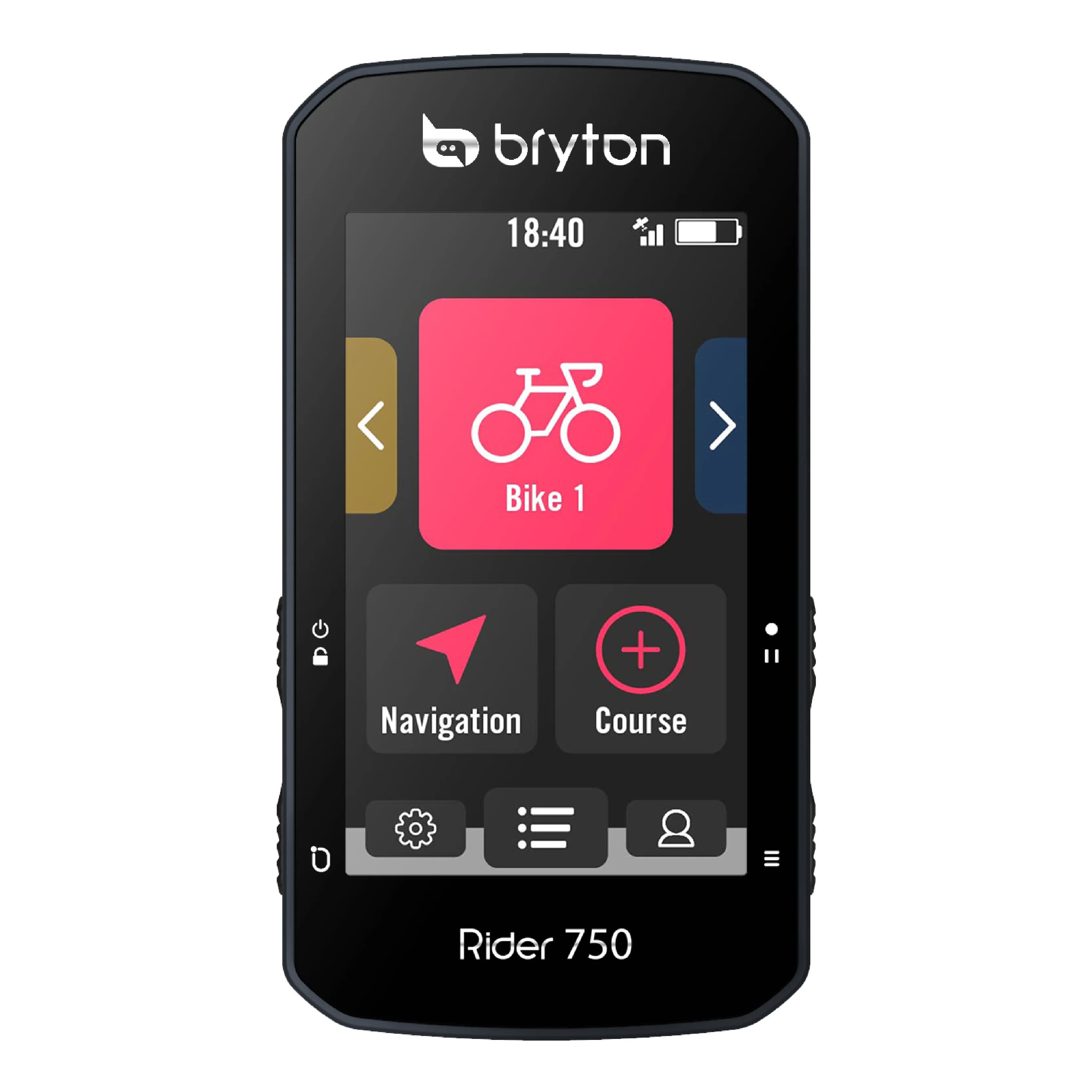
Best budget navigation: Bryton Rider 750 (or current S500E if 750 stock is gone). Maps and long battery for less than a discounted 540.
Best map screen for the money: Hammerhead Karoo 3 when it is £370-ish against a £450 RRP. Karoo 2 only if clearance is deep.
Best performance (on sale): Garmin Edge 840. Touchscreen training brain; wait for 20%+ off.
Best budget colour screen: Magene C706, typically £190–£240 at UK shops such as Tredz.
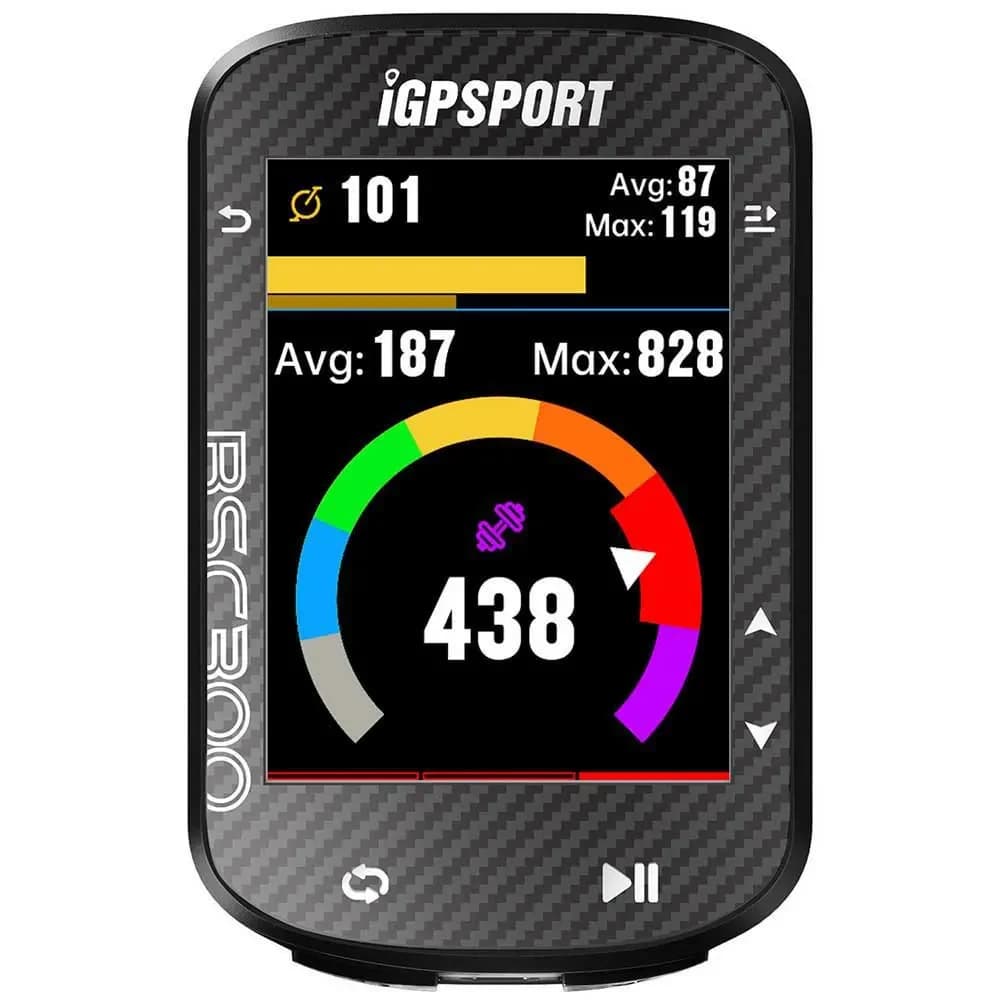
Extra value pick: iGPSPORT BSC300, usually £130–£180 from UK/EU mail order.
What to pay for (and what to skip)
Pay for: dual-band GNSS if you ride tree cover and valleys; ANT+ and Bluetooth; maps you can follow with gloves; a battery that covers your longest regular ride plus a margin.
Skip at full price: solar panels on cloudy UK winters, huge touchscreens, and "pro" training suites you will not open. A discounted Edge 840 beats a full-price Edge 1050 for most riders.
Buttons versus touch. Wahoo's buttons are still the nicest in rain. Garmin's 540 is button-based; the 840 adds touch. Hammerhead is a phone-like touchscreen. If you commute in October, try before you commit to glass-only.
1. Wahoo ELEMNT BOLT v2 / BOLT 3 — Best overall value
The BOLT v2 is still the value benchmark: 2.2-inch colour screen, button control, 15-hour rated battery, USB-C, 16 GB maps, Komoot / Strava / Ride with GPS workflow that does not fight you. Tredz had it around £250 against a £265 RRP before stock ran out; the BOLT 3 is the current replacement, typically ~£275 against £300.
Buy remaining v2 stock if the price is clearly below BOLT 3. Otherwise buy BOLT 3 and pocket the simpler Wahoo life versus Garmin's menu maze. The ROAM v2 (and ROAM 3) is the larger-screen sibling if you want more map at a higher price.
Why we recommend it
Most riders want "load route, ride, upload to Strava" more than they want a 3.5-inch dashboard.
Pros
Fast to live with, especially in the wet
Strong Komoot and companion-app reputation
ANT+ radar support (including Garmin Varia)
BOLT 3 keeps the same value argument if v2 is gone
Cons
v2 is exiting UK retail
Battery behind Garmin 540/840
Smaller screen than Karoo / Magene C706
Best for: Club riders who want a GPS they forget about.
The 540 is Garmin's button-driven mid-range: ClimbPro, training readiness / suggested workouts (if you use Garmin Connect), multi-band GNSS on the right SKU, and a battery claim that leaves the BOLT looking nervous. UK street prices have been in the £260–£310 band against ~£310 RRP — that is where it becomes the smart training buy instead of stretching to an 840.
If you already own Garmin watches, Vector/Rally pedals, or Varia, staying in Connect is worth real money in friction saved.
Why we recommend it
You get the Garmin training stack without paying flagship tax, especially on sale.
Pros
Buttons for winter gloves
Deep sensor and radar ecosystem
Battery headroom for sportives
Frequently discounted at Tredz and similar
Cons
Connect IQ and menus are busier than Wahoo
Maps are capable, not Karoo-pretty
Easy to overspend on Solar if you ride mostly in the dark
Best for: Riders who train to numbers and already live in Garmin Connect.
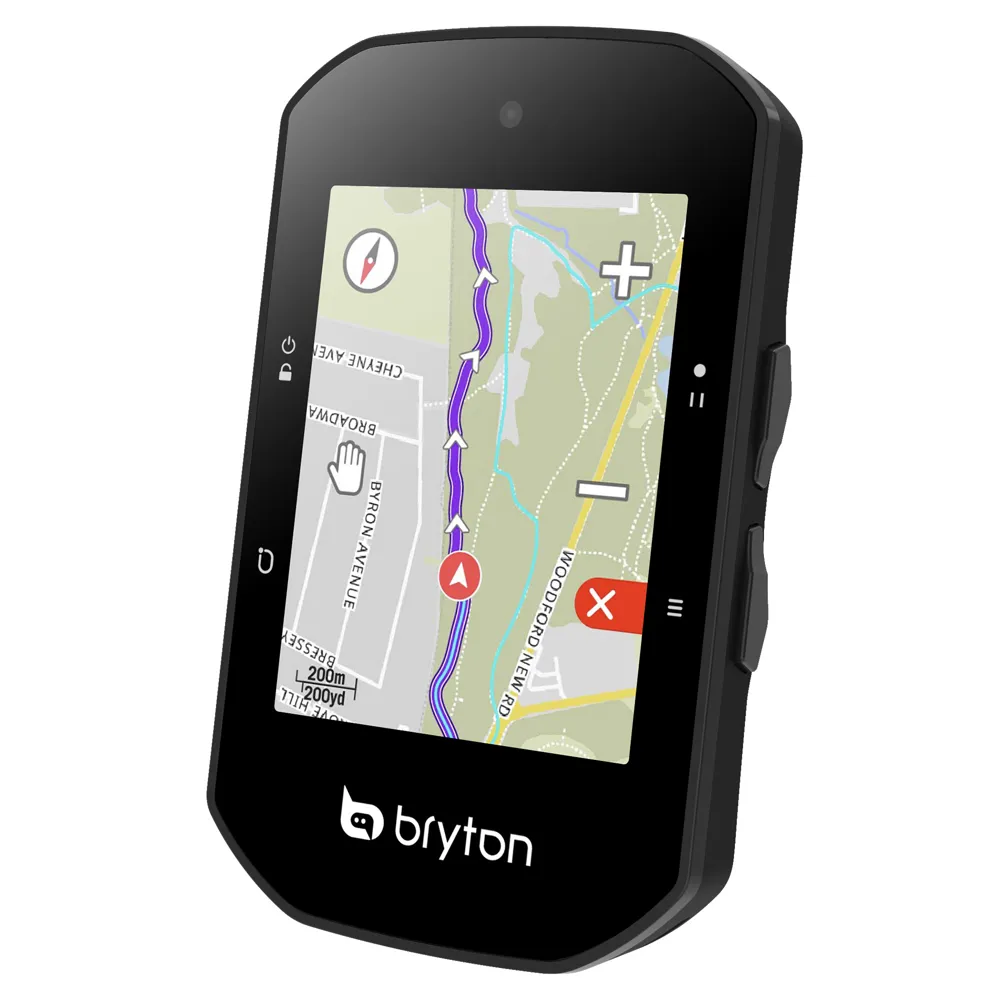
The Rider 750 packed a 2.8-inch colour touchscreen, OSM maps, turn-by-turn, ANT+ FE-C trainer control, radar support, and a 20-hour claim at a price Garmin would not look at. Typical European pricing was about £180–£250. In 2026 UK specialist listings have shifted toward Bryton's S500E (~£140) and S800T bundles; if 750 stock has gone, those are the current value cousins.
The app is less polished than Wahoo or Garmin. You are buying battery and maps per pound, not ecosystem gloss.
Why we recommend it
Navigation plus long battery without a £300 tag is still Bryton's party trick.
Pros
Large screen for the money
20-hour class battery
Trainer and radar support that budget units often skip
Cons
750 itself is harder to find in 2026 UK shops
Companion app lags the big two
Touchscreen in rain is no Wahoo
Best for: Sportive and touring riders who navigate a lot and will not pay Garmin money.
4. Hammerhead Karoo 3 — Best map screen when discounted
Karoo 2 was the original "phone on the bars" bargain in clearance. In 2026 the current unit is Karoo 3 (often listed simply as Hammerhead Karoo): 3.2-inch 480×800 touchscreen, 15-hour-class battery, 64 GB, USB-C, excellent maps. Tredz has shown about £370 against a £450 RRP. That 15–20% off is the value moment. Full RRP is a luxury buy, not a money pick.
Karoo 2 only wins if you find dusty clearance well below £250 and accept older support. Otherwise Karoo 3 is the one.
Why we recommend it
If map readability is why you hate your compact Garmin, this is the upgrade that feels like a different product.
Pros
Best-in-class map for mixed-surface UK lanes
Modern Android-based UI
Compelling at ~£370, not at full £450
Cons
Battery is the weak spec versus Garmin
Touchscreen with winter gloves
SRAM ownership is fine; ecosystem is still smaller than Garmin
Best for: Gravel and wandering road riders who stare at maps.
5. Garmin Edge 840 — Best for performance (on sale)
The 840 adds a touchscreen to the 540's training brain, with stronger navigation and, on Solar SKUs, manufacturer claims up to 32 hours intense / 60 hours saver. At £400–£450 list it overlaps the "just buy a flagship" mistake. At 20%+ off it is the performance sweet spot we also flag in the full cycling computer guide.
If you do not use touch, ClimbPro, or Garmin's stamina tools, the 540 on sale is the clearer value.
Why we recommend it
When discounted, it is the most computer you can buy without entering Edge 1050 money.
Pros
Touch + buttons
Best Garmin mid-rounder for navigation and training
Solar SKU helps on long summer days (less so in a Pennine drizzle)
Cons
Poor value at full RRP
Heavier feature load than many riders use
Price can sit uncomfortably close to Karoo 3 deals
Best for: Riders who will use training metrics and mapping every weekend.
Magene's older C406 is scarce in UK bike shops. The C706 is the one on Tredz at about £192 against £239 RRP: 3.3-inch colour touchscreen, dual-band five-GNSS, 17–25-hour claim, ClimbPro-style climbs, Strava segments, ANT+ / Bluetooth, Wi-Fi, USB-C. Chicken CycleKit distributes Magene in the UK, so you are not purely grey-importing.
The cheaper C606 V2 (~£169) and C506 (~£99) exist if you want even less spend. The C706 is the one that looks like a flagship without Garmin's badge.
Why we recommend it
Screen size and GNSS spec per pound undercut Garmin and Wahoo by a distance.
Pros
3.3-inch display at ~£190–£240
Dual-band GNSS and offline navigation
Official UK distribution and warranty path
Cons
Onelap / Magene app is not Garmin Connect
Resale and long-term firmware are less proven
Easy to want C706 when C506 would do for commuting
Best for: Riders who want a big colour map and will not pay Karoo money.
The BSC300 is a 2.4-inch colour, button-driven GPS with offline maps, ~20-hour claim, 67 g, ANT+ / BLE, USB-C, IPX7. Independent reviews treat it as a BOLT-shaped computer at roughly half the price (typically £130–£180 via Amazon UK and EU shops). It is not a Tredz/Merlin staple, so returns and warranty are more mail-order than click-and-collect.
Skip Lezyne Super GPS here: that generation is largely gone from UK specialist shelves. If you want a shop-counter extra-value unit, Magene C506 is easier.
Why we recommend it
If the budget is "GPS with maps, not a Garmin", the BSC300 still makes the numbers work.
Pros
Colour maps and 20-hour class battery well below £200
Physical buttons
Sensor and radar pairing on paper
Cons
Thin UK high-street stock
No ClimbPro-class climb UI in reviews
App polish behind Wahoo/Garmin
Best for: Value hunters comfortable buying from Amazon / EU retailers.
20% off RRP is the usual "stop waiting" line for Garmin and Hammerhead. Wahoo v2 leftover stock can go lower. Magene and iGPSPORT already price as value; a further 15% is a bonus, not a requirement.
Match sensors first: ANT+ power meters and Varia radars work across this list, but firmware versions differ. Pair radar to the computer you will actually look at, not to a phone in a jersey pocket.
Is the Wahoo BOLT v2 still worth buying in 2026? Yes, if you find UK stock cheaper than BOLT 3. If not, BOLT 3 is the like-for-like current buy.
Garmin 540 or 840? 540 if you want buttons and training value. 840 if you want touch navigation and you can get 20% off.
Do I need dual-band GNSS? Not for dual-carriageway club runs. Yes for wooded gravel and urban canyons if you care about a tidy Strava trace.
Will Magene or iGPSPORT upload to Strava? Yes, via their apps. The daily workflow is less invisible than Garmin or Wahoo.
Can these talk to a Garmin Varia? ANT+ radar works on Wahoo, Garmin, Hammerhead, Bryton, Magene, and iGPSPORT on current firmware. Confirm before a dark-lane winter commute.
What about Wahoo ROAM? ROAM v2/3 is the bigger-screen Wahoo. It is better value than a full-price Karoo if you want buttons and maps, worse value than a discounted BOLT if you do not need the extra glass.
Download UK maps over Wi-Fi at home. Do not discover on a North York Moors lay-by that the device only has a breadcrumb line. Wahoo and Garmin make this boring in a good way; Magene and iGPSPORT need a few more taps in their apps.
Pair sensors one at a time: speed or cadence, heart rate, power, then radar. Duplicate ANT+ and Bluetooth entries for the same power meter will double your numbers. Pick ANT+ for power where you can.
If you use Komoot, Wahoo remains the least fussy send-to-device path. If you live on Strava Routes, Garmin Connect is still the native fit. Hammerhead is the one you buy because the map looks like a proper map, not because the social graph is deeper.
What not to buy at full price
Skip a new Edge 1050 or ELEMNT Ace unless you know you want the larger screen. Skip solar as a UK winter justification. Skip last-decade Lezyne Super GPS unless it is nearly free; support and maps have moved on. A discounted Edge 540 plus a cheap out-front mount will satisfy more riders than a flagship bought in a hurry before a sportive.
For a deeper look at battery tables and flagship mapping, use the best cycling computer guide, then compare live sale prices rather than brochure RRP.
BOLT v2, BOLT 3, and ROAM in plain English
Wahoo renamed the compact computer. BOLT v2 is the 2021-era unit UK shops sold for years at about £250. BOLT 3 is the current compact, typically around £275. The ride experience is the same idea: buttons, colour screen, companion app, no Garmin homework. Buy v2 only when the sale price is clearly cheaper than BOLT 3. ROAM v2 and ROAM 3 are the same family with a larger screen; they cost more and only win if map size is your complaint with the BOLT.
If a retailer still lists ELEMNT BOLT without a version, read the spec for USB-C, onboard maps, and the compact screen before you assume it is the v2 you wanted.