Full carbon vs alloy frame + carbon fork: which matters more?
"Carbon road bike" is used loosely in retail. It's worth being precise:
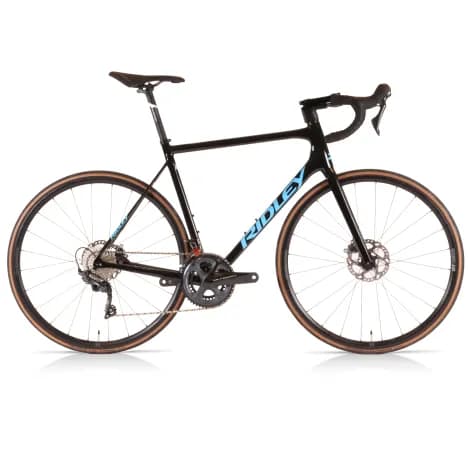
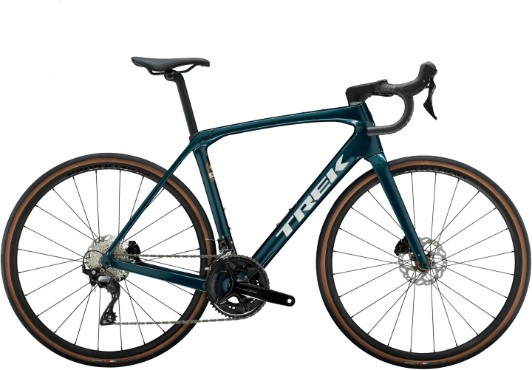
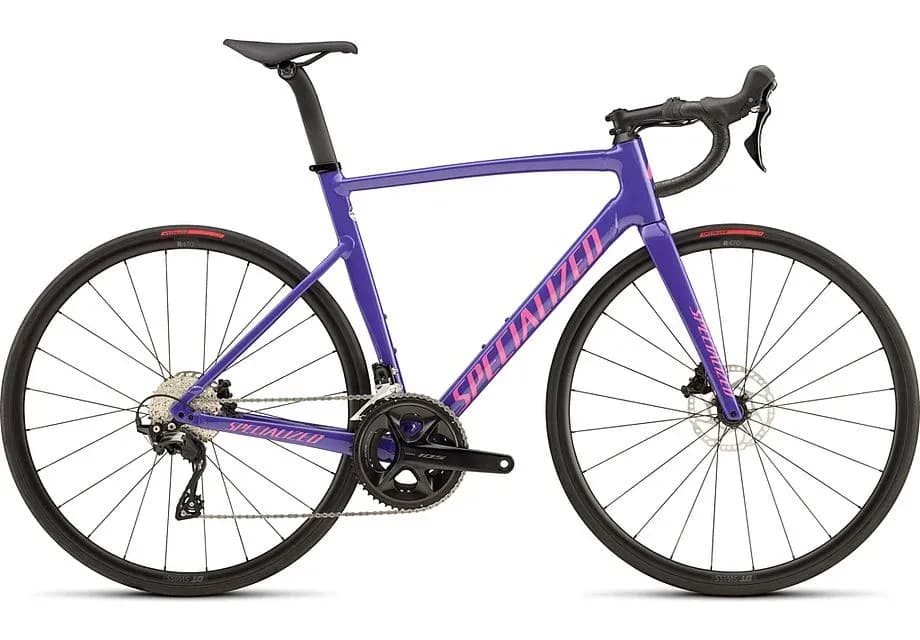
- Full carbon means both the frame and fork are carbon fibre. At under £2,000, a full-carbon build usually means the money has gone on the frame and fork, leaving less budget for drivetrain and wheels.
- Carbon fork on an alloy frame means the frame is aluminium with a carbon front fork. This is the more common configuration at this price point, and it's not a consolation prize.
The fork absorbs a significant proportion of road vibration before it reaches your hands and upper body. A quality carbon fork on a well-built alloy frame can transform the ride feel versus a comparable all-alloy bike, while leaving budget for a better groupset and more capable wheels. Road.cc's updated "Best road bikes under £2000 2026" guide (4 June 2026) positions this price band as genuinely achievable for a high-quality road bike, a view that aligns with what the component economics actually support.
Decision rule: if a full-carbon frame is available at a substantial clearance price and you're buying primarily for the frame material, it can make sense. If you're paying close to £2,000 and the spec sheet shows a compromised groupset and box-section wheels to fund the carbon frame, the alloy-and-carbon-fork build usually offers more riding value per pound.
What the spec sheet should show at £2,000 in 2026
Before you browse, set a baseline for what's reasonable at this price:
| Spec area | Realistic expectation under £2,000 |
|---|
| Frame | Full carbon (on sale) or alloy with carbon fork |
| Fork | Carbon on most builds at this price |
| Groupset | Shimano Tiagra (10-speed) or Shimano 105 (11/12-speed) |
| Brakes | Hydraulic disc (flat-mount; look for 160mm front rotor minimum) |
| Wheels | Alloy double-walled; tubeless-ready on better builds |
| Tyre clearance | 28mm minimum; better builds support 30–32mm |
| Geometry | Endurance or all-road suits most buyers; race geometry is available but less forgiving |
On groupsets: Shimano 105 is the benchmark. The R7000 11-speed mechanical version remains widely available at clearance prices; the newer R7100 12-speed version appears on fresher stock. Tiagra 10-speed is competent but a step behind in shift precision and long-term serviceability. If a bike at £1,900–£2,000 ships with Claris or Sora, the frame cost has crowded out drivetrain quality, that's a red flag unless you plan to upgrade the groupset yourself.
Tyre clearance matters more than many buyers realise. A frame that maxes out at 25mm limits your comfort and all-weather versatility. At this price, 28–30mm clearance is the minimum worth accepting; 32mm opens up year-round and sportive use meaningfully. Always confirm the actual clearance figure on the product page rather than relying on category copy.
Shortlist: carbon road builds worth buying on sale under £2,000 (UK)
The table below covers the build types most commonly available at or under £2,000 via UK retailers on sale. Because stock and pricing shift constantly, check live carbon road bike deals for current savings data, retailer attribution, and available sizes.
| Build type | Frame | Fork | Groupset | Brakes | Tyre clearance | Best for |
|---|
| Giant TCR Advanced 2 (on sale) | Full carbon | Carbon | Shimano 105 | Hydraulic disc | 28mm | Race geometry, lighter riders |
| Trek Emonda ALR 5 Disc | Alloy | Carbon | Shimano 105 | Hydraulic disc | 32mm | Endurance, UK roads |
| Cannondale Synapse Carbon (clearance) | Full carbon | Carbon | Tiagra/105 | Hydraulic disc | 30mm | Long-distance comfort |
| Merida Scultura Endurance 300 (sale) | Alloy | Carbon | Tiagra | Hydraulic disc | 30mm | All-day riding |
| Ribble Endurance SL (direct) | Full carbon | Carbon | Shimano 105 | Hydraulic disc | 28–30mm | Value full-carbon |
| Boardman SLR 8.9 (on sale) | Alloy | Carbon | Shimano 105 | Hydraulic disc | 28mm | First road bike upgrade |
A few notes on these builds. The Trek Emonda ALR 5 Disc is the standout alloy-and-carbon-fork option: 32mm tyre clearance, Shimano 105, and a well-regarded geometry make it genuinely hard to beat at discount prices. The Giant TCR Advanced 2 is one of the few full-carbon builds that appears within £2,000 in sale season, it's a racing-oriented frame with a stiffer feel than endurance alternatives, so check the geometry suits you. Endurance road bike deals specifically are worth filtering for if comfort over distance is your priority.
For direct-to-consumer full carbon, brands like Ribble offer full-carbon builds at or near £2,000 as standard pricing. The trade-off is you're buying without test-riding and warranty servicing is handled by post, which matters more on a carbon frame than an alloy one.
What to verify in the spec before you click 'buy'
Retailer listings vary in how clearly they present specs. Run through these checks before purchasing:
Drivetrain: confirm the cassette range (an 11-34t or 11-32t suits UK climbing; a tight 11-28t is more race-focused). Check whether the derailleur is a short or medium cage, medium cage handles the wider cassettes you'll want for hills. Confirm the chainset is the named groupset's own crank, not a cheaper OEM substitution.
Brakes: flat-mount hydraulic disc is the standard at this price. Confirm rotor size (160mm front is the minimum; 160mm rear is common). Post-mount brakes aren't a dealbreaker but are becoming less common on newer frames.
Tyres and clearance: the number on the spec sheet is the maximum. A frame rated to 28mm with factory 25mm tyres has room to upgrade. A frame already at its maximum with 28mm tyres fitted offers no headroom. Tubeless-ready rims are a genuine bonus if present, but don't overpay for tubeless that's only on the rims, you'll need the tyres and valves too.
Geometry and fit: endurance geometry (higher stack, shorter reach) suits most UK road cyclists for sportives and training. Race geometry is lower and more aggressive, fine if you've ridden it before, but a poor fit for first-time road bike buyers. Most manufacturers publish stack and reach figures; use these rather than generalised size charts.
Warranty: carbon frame warranties vary significantly. Some brands offer lifetime frame warranty; others offer two to five years. Crash damage is nearly always excluded, but some brands (Giant, Trek, Specialized, Cannondale) operate formal crash replacement programmes at reduced cost. Verify this before buying, especially on a carbon frame where impact damage may not be visible externally.
The best road bike under £1,500 buying guide covers groupset tier decisions in detail if you're weighing up a slightly lower budget build.
How to verify a bike discount is real (UK "was/now" rules)
This is where many buyers get caught out. A struck-through "was" price is only meaningful if that price was a genuine, usual selling price for a meaningful period. Under ASA/CAP promotional savings guidance (updated May 2026), reference prices, whether shown as an explicit "was" price or an implied "save X%" claim, must not be misleading. The ASA expects advertisers to be able to substantiate the reference price with pricing history, including recency and duration evidence.
In plain English: a retailer cannot list a bike at £2,400 for a week, then mark it down to £1,800 and claim a £600 saving. The "was" price must reflect what the bike genuinely sold for, for a reasonable period, through the same sales channel.
Step-by-step verification:
- Note the "was" and "now" prices shown. Calculate the implied saving percentage yourself, if the maths doesn't match, something's off.
- Check how long the sale has been running. A discount that's been "on" for three months is not a sale, it's the actual price.
- Confirm the reference price is for the same channel (online sales vs. in-store pricing are treated separately).
- Watch for "up to" or "from" language in headlines. A page claiming "up to 40% off" may apply that discount to one model only; the bike you want may be 10% off.
- Use price history tools (CamelCamelCamel covers Amazon; for specialist cycling retailers, search the model name alongside "price history" to find forum discussions or cached pricing data).
Red flags to watch for:
- A "was" price significantly higher than the manufacturer's recommended retail price with no explanation
- A sale that has been running continuously for more than 60 days with no stock reduction
- "From RRP" wording where the RRP is not what the retailer has historically charged
- Missing date or channel context on the "was" price claim
Cycling Deals UK hand-checks deals against actual retailer pricing before listing them, displaying the original price, current sale price, and percentage saving clearly for every listing. That means the savings figures shown are based on what UK retailers are actually charging now, not inflated reference prices. You can browse discounted road bikes under £2,000 with retailer attribution and savings percentages already verified.
The 10-point pre-purchase checklist
Work through this before completing any purchase:
- Frame material confirmed (full carbon or alloy with carbon fork)?
- Fork material confirmed as carbon?
- Hydraulic disc brakes, flat-mount, 160mm front rotor minimum?
- Groupset tier, Shimano Tiagra minimum; 105 preferred?
- Cassette range suits your terrain (11-32t or wider for UK hills)?
- Tyre clearance confirmed from spec sheet, not just category description?
- Wheel build, double-walled alloy minimum; tubeless-ready if present?
- Frame/fork warranty period confirmed, crash damage policy understood?
- Size availability checked before adding to cart (carbon frames often sell out in popular sizes first)?
- Discount verified as genuine (reference price, channel, duration)?
If you're undecided between a carbon frame with a compromised groupset and an alloy-plus-carbon-fork build with Shimano 105 hydraulic, the second option will almost always feel better to ride day-to-day. The frame material matters, but so does everything else, and at under £2,000, you rarely get all of it in a single build unless a real discount brings a better-specced bike into range.
For the Cycle to Work scheme, note that most UK employers cap the scheme at £1,000 or £2,000 depending on their arrangement. A genuine sale price under £2,000 on a carbon build can bring a well-specced bike within scheme eligibility, check with your employer before committing, and confirm the retailer participates in the scheme.
FAQ
Are carbon road bikes under £2,000 worth it? Yes, with conditions. A full-carbon build bought at a genuine clearance discount can be excellent value. At standard retail, many bikes marketed as "carbon" under £2,000 have compromised groupsets or wheels. Prioritise total build quality over frame material alone.
Is a carbon fork enough, or do I need a full carbon frame? A carbon fork makes a real difference to ride comfort and front-end feel. For most riders, an alloy frame with a carbon fork and Shimano 105 hydraulics will deliver more satisfaction than a full-carbon frame with Tiagra and heavier wheels. Frame material is one variable among several.
What drivetrain should I expect under £2,000? Shimano 105 is the target. Tiagra is acceptable if the overall build justifies it. Sora or Claris on a bike priced close to £2,000 suggests the frame cost has absorbed too much of the budget.
How do I check a discount is genuine in the UK? Follow the ASA/CAP framework: the reference "was" price must be a genuine usual selling price, substantiated by pricing history. Check how long the sale has been live, confirm the channel, and look up independent price history where possible. Cycling Deals UK lists verified savings from UK retailers with clear pricing data.
Do carbon frames absorb road vibration better than alloy? Yes, generally. Carbon can be engineered to damp high-frequency vibration more effectively than aluminium. However, geometry, tyre width, and fork material all contribute significantly. A well-designed alloy endurance frame with a carbon fork and 32mm tyres can be more comfortable than a stiff carbon race frame on 25mm tyres.
Should I buy full carbon or a carbon fork build for my first road bike? Unless a genuine clearance deal brings a well-specced full-carbon bike within budget, start with an alloy frame and carbon fork. The ride improvement from the fork is tangible, the build quality is typically higher at this price point, and you'll understand what you want from a frame before committing more money to one.
What tyre width can I run on an entry carbon road bike? Check the frame's confirmed maximum clearance, not the factory-fitted tyre size. Most builds at this price support 28mm; better ones support 30–32mm. A 32mm maximum is worth prioritising for UK roads, all-weather riding, and sportive use.