Tubeless tyres earn their keep in the UK because they let you run lower pressure without pinch flats, and because sealant closes the glass and flint cuts that would otherwise end a ride. The value question is not “cheapest TLR tyre” — it is which casing, belt and compound keep you rolling for the least money over a season.
This guide ranks eight road and gravel tubeless-ready tyres that offer the best performance per pound in 2026. Road picks emphasise rolling resistance and wet grip; gravel picks emphasise bead-to-bead protection on flint, bridleways and farm tracks. Figures and verdicts come from Bicycle Rolling Resistance, published group tests (including GRAN FONDO’s 2026 gravel test), manufacturer specs and typical UK street prices. Cycling Deals UK does not lab-test tyres.
Quick picks:
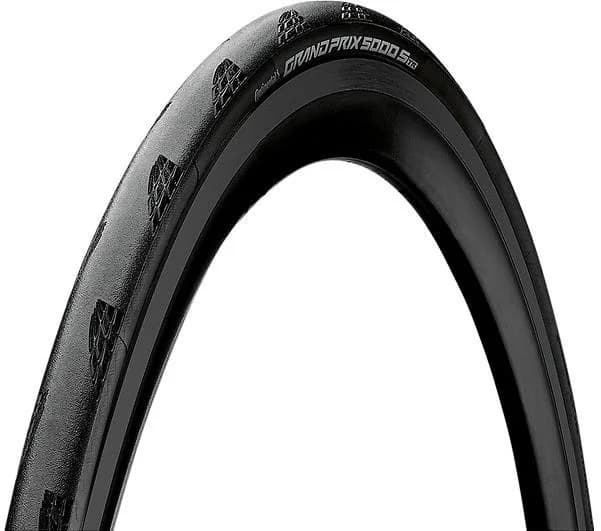
Best overall road: Continental GP 5000 S TR
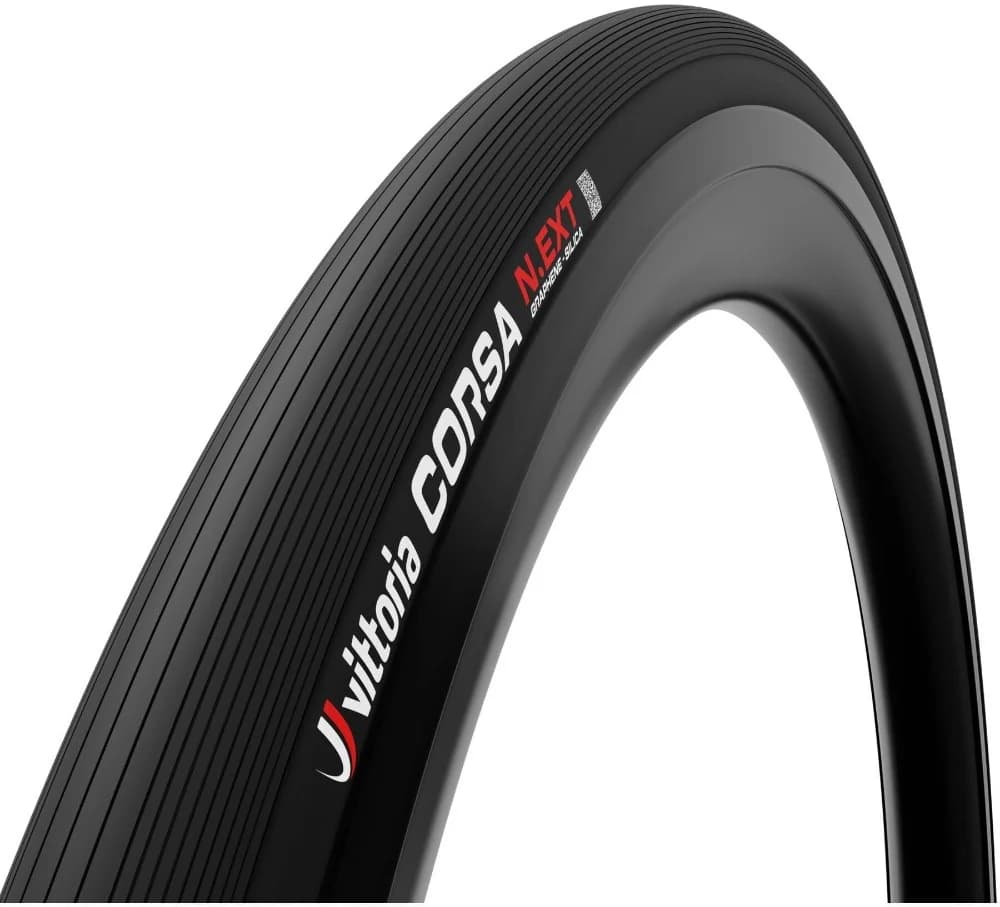
Best road value: Vittoria Corsa N.EXT TLR
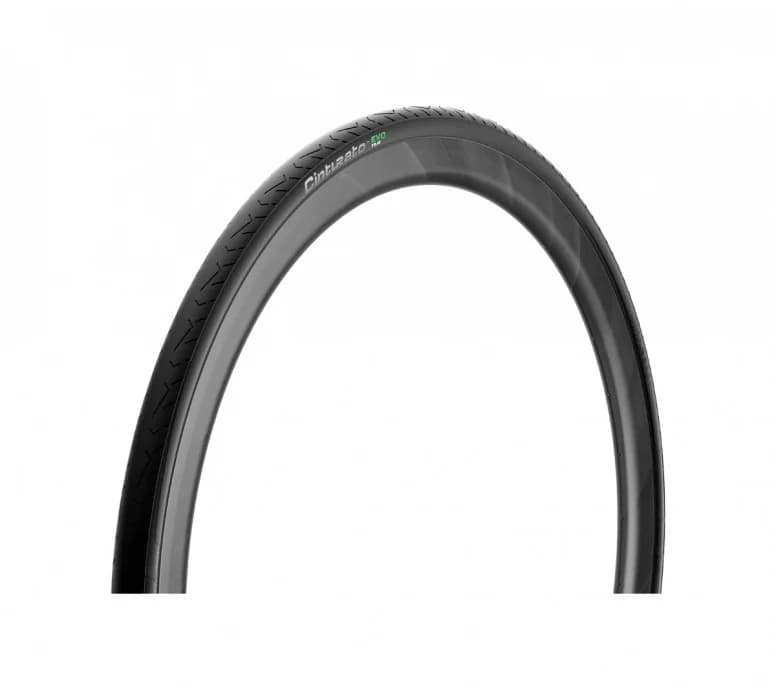
Best wet-road TLR: Pirelli Cinturato Evo TLR
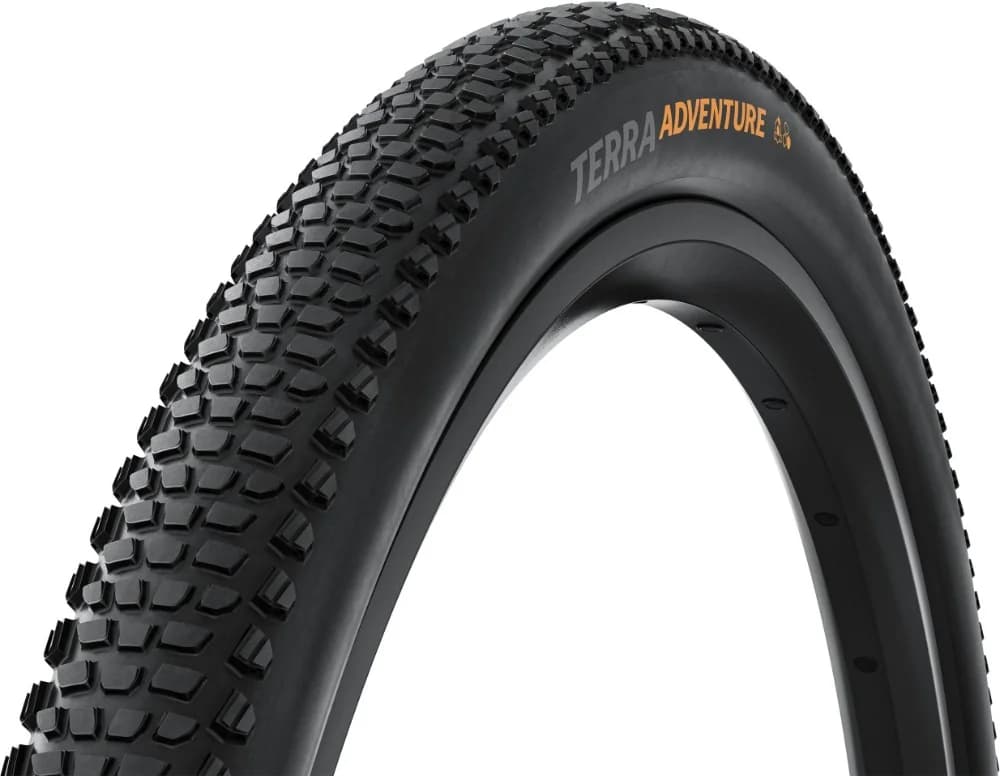
Best gravel value: Continental Terra Adventure TLR
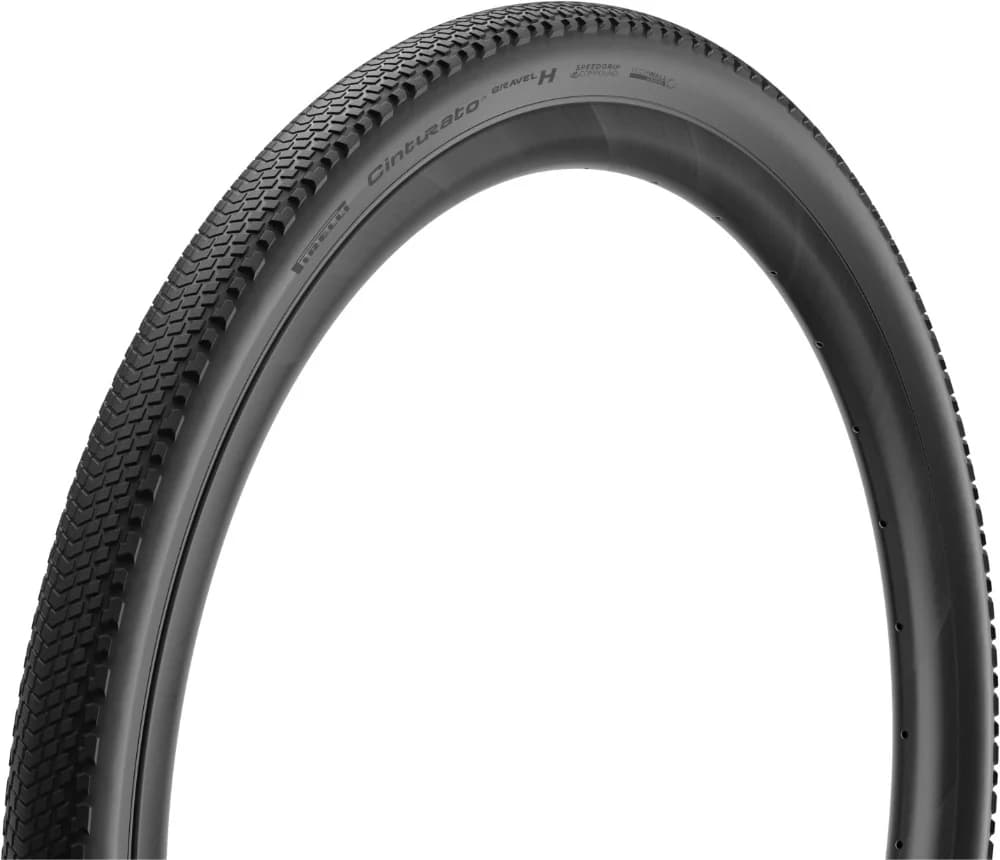
Best durability / rocky gravel: Pirelli Cinturato Gravel H TLR
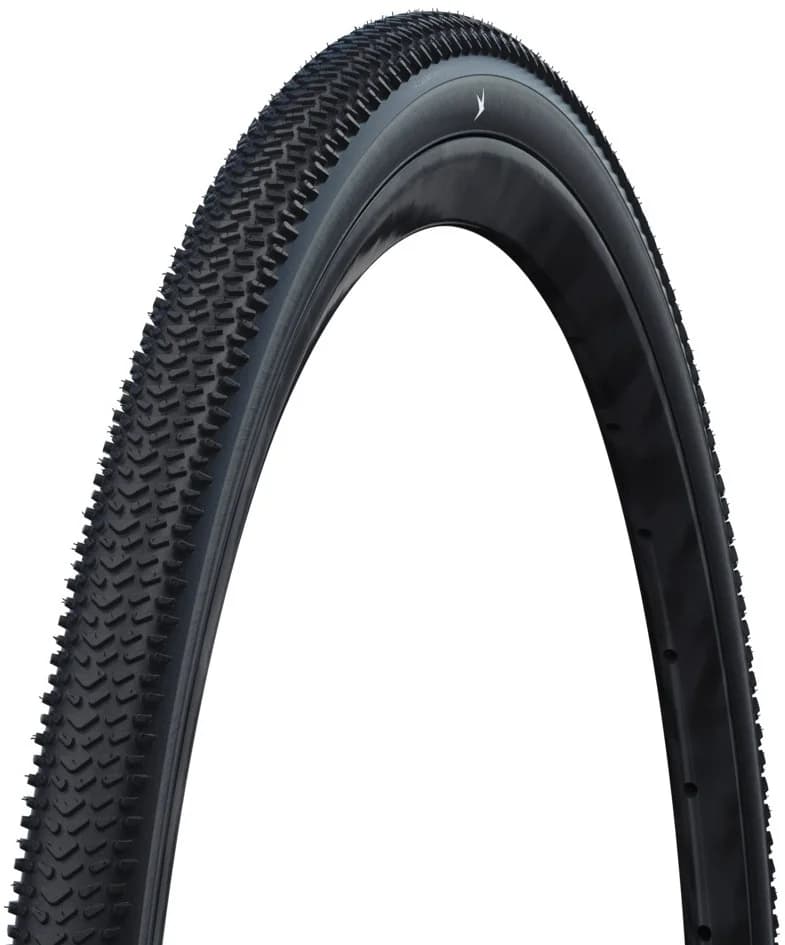
Best gravel performance: Schwalbe G-One R TLR
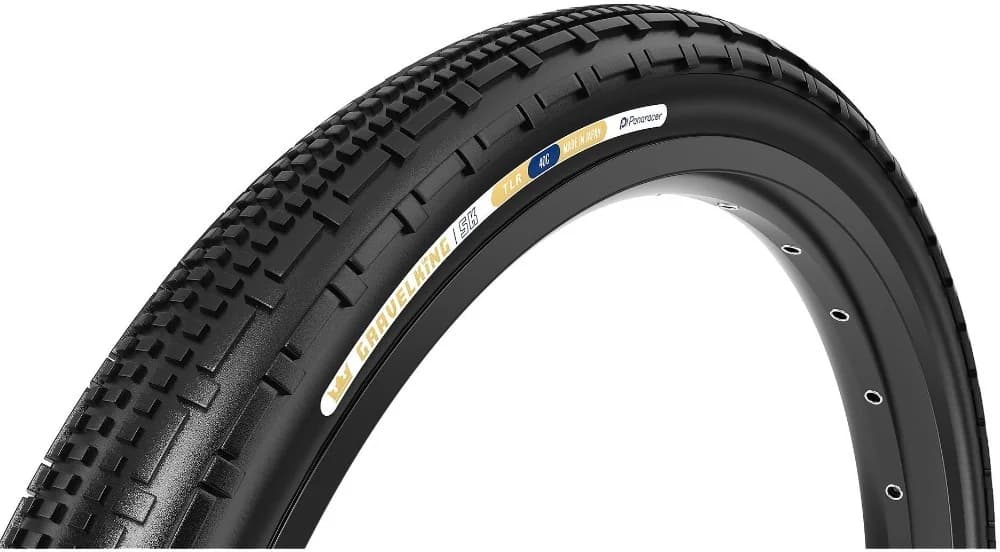
Best budget gravel: Panaracer GravelKing SK TLR
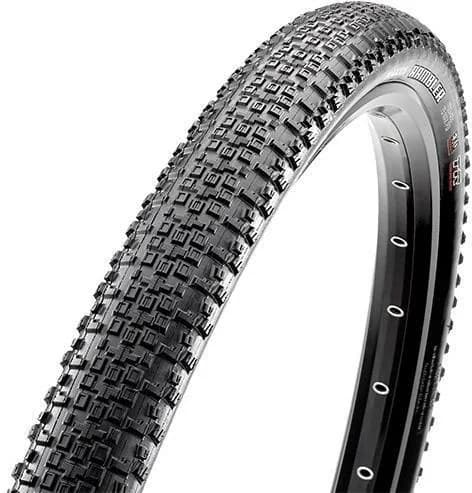
Best mixed gravel: Maxxis Rambler EXO TR
Check tubeless tyre deals for live prices — gravel TLR in particular is heavily promoted.
Comparison table: best tubeless tyres for the money UK 2026
Typical UK street prices per tyre. Protection describes the main system, not a lab score.
The GP 5000 S TR is still the road tubeless tyre most UK riders should buy if they can. BlackChili compound, Vectran Breaker, and a casing that seats on modern hooked and (within Continental’s pressure limits) many hookless rims. BikeRadar’s 2026 road-tyre round-ups continue to place it among the top picks: race-adjacent rolling with enough wet-road manners for British tarmac.
At £52–£65 it is not cheap, but the protection-to-speed trade-off is better than most race casings, and sealant turns small UK-road cuts into non-events. 28mm is the default; 30–32mm if the frame clears it. For a longer editorial on this tyre in a road-only context, see our best value road bike tyres guide.
Why we recommend it
It is the TLR benchmark: fast enough to keep, tough enough for UK lanes, and stocked everywhere when you need a replacement.
Pros
Near-race efficiency with a real puncture belt
Wet grip that works on painted lines and drizzle
25–32mm (and wider) UK availability
Can be run with tubes in an emergency
Cons
Flagship pricing
Needs a proper tubeless rim and fresh sealant
Rear wear is quicker than endurance TLR tyres
Best for: Fast road riding, sportives, year-round 28mm TLR.
The Corsa N.EXT is Vittoria’s nylon-cased, Graphene 2.0 race-inspired TLR tyre. You get Corsa tread and a supple 100 TPI casing without cotton-casing fragility or cotton-casing prices. Typical UK street prices of £42–£55 undercut the GP 5000 S TR while staying well above budget training rubber.
The puncture belt is lighter than a Cinturato Evo, so sealant choice matters on glass-strewn urban loops. Pair it with a sealant that has a track record at 3–4.5mm holes, and top up every 8–10 weeks. Wide-rim (WR) versions exist for 21mm+ internal rims.
Why we recommend it
It is the road TLR that most often hits the right price without giving up a race-tyre feel.
Pros
Faster and more supple than mid-range trainers
Graphene/silica compound for grip and wear
Usually cheaper than GP 5000 S TR
TLR and WR options
Cons
Less puncture armour than Cinturato or 4-Season
Cotton Corsa Pro is still quicker if you accept the risk
Needs disciplined sealant maintenance
Best for: Club racers and sportive riders who want Corsa DNA at nylon-casing money.
The Cinturato Evo TLR is built for the British calendar: SmartEVO AS compound, TechWALL+ multi-layer casing, and sizes that run from 28mm into 35–40mm for light gravel. Wet-grip scores sit in the top group; rolling resistance is a few watts behind the 5000 S TR, which is the correct trade if you ride through autumn leaves, urban grit and cold drizzle.
If your “road” bike is an endurance machine that also sees towpaths, this is the TLR that does not panic when the surface changes. Typical UK pricing of £50–£60 is in the same band as the Continental flagship, so buy it for the protection and wet grip, not because it is cheaper.
Why we recommend it
It is the road tubeless tyre that treats UK weather as the design brief.
Pros
Excellent wet grip and comfort
TechWALL+ puncture protection
Widths useful for endurance and light gravel
Recycled / bio-based compound story without a performance cop-out
Cons
Not the fastest dry-road tyre
Price overlaps the GP 5000 S TR
Wider sizes can be patchy in stock
Best for: Year-round road, wet winters, endurance bikes that see mixed surfaces.
4. Continental Terra Adventure TLR — Best gravel value
At around £33–£42, the Terra Adventure is the gravel TLR that most consistently looks outstanding on a UK receipt. PureGrip compound, ShieldWall sidewall protection, and an open tread that handles wet mixed terrain — bridleways, farm tracks, and the tarmac between them. GRAN FONDO’s 2026 32-tyre gravel test put the Terra Adventure among the leaders (9 points, tied with Schwalbe’s G-One RX Pro).
Choose 45mm for lightweight off-road speed or 50–55mm where the frame allows and you want all-day comfort. It is not as fast as a G-One R on hardpack, and not as armoured as a Cinturato Gravel H on sharp rock, but as an all-rounder at this price it is the starting point.
Why we recommend it
ShieldWall protection and a proven mixed-terrain tread at a street price well below the premium gravel field.
Pros
Excellent £-per-protection for gravel TLR
Strong independent group-test showing
Tubeless-ready, e-bike compatible
Comfortable on long mixed days
Cons
Not a race-casing roller
ShieldWall is good, not TechWALL-H on flint
Fast gravel racers will prefer G-One R or Terra Speed
Best for: First gravel TLR, bikepacking, UK mixed surfaces on a budget.
5. Pirelli Cinturato Gravel H TLR — Best for durability / rocky gravel
The H suffix means hard-terrain: a low-profile tread with a wide contact area for compact gravel and asphalt, plus TechWALL bead-to-bead protection so the sidewall is armoured, not just the tread. That single detail is what separates tyres worth buying for Welsh rock, Peak flint and winter gravel from those that look fast in a product photo.
SpeedGRIP compound handles wet limestone and slate better than many file treads. At £45–£52 it is not the cheapest gravel TLR, but sidewall cuts are the expensive failure mode in the UK. Pay for bead-to-bead once.
Why we recommend it
Rocky UK gravel punishes tread-only belts. TechWALL H is the protection layout that matches the terrain.
Pros
Bead-to-bead TechWALL cut resistance
Confident on compact gravel and tarmac links
Wet grip from SpeedGRIP
Hookless-compatible within Pirelli’s limits
Cons
Small rolling penalty versus Super Race casings
Less aggressive tread for deep mud (look at a Gravel M or similar)
60 TPI Perf version is tougher; 120 TPI High Perf is faster
Best for: Year-round gravel in Wales, the Peaks and Scotland; winter durability.
The G-One R is Schwalbe’s race gravel tyre: Super Race (souplesse) carcass, Addix Race compound, V-Guard belt, and a boomerang tread that rolls like a road tyre on hardpack while the angled side lugs still bite in corners. Cyclingnews’ Silverstone lab work on fast gravel setups consistently points to slicker gravel treads like this as speed leaders on compact surfaces.
It is the wrong tyre for chunky rock and winter sludge. It is the right tyre if your “gravel” is 70% tarmac and fine gravel, or you want a 38–40mm road-plus tyre. Typical UK pricing £45–£55.
Why we recommend it
When speed on hardpack is the brief, Super Race plus Addix Race is the gravel TLR that stays closest to road-tyre watts.
Pros
Very fast on compact gravel and asphalt
Supple Super Race ride
Fair-trade rubber; Pro and Evo versions
Excellent all-road crossover
Cons
Light protection versus TechWALL H or EXO on flint
Not a mud tyre
Can be fiddly to mount (high-TPI race casings)
Best for: Fast gravel, sportives with dirt sectors, road bikes with 38mm clearance.
7. Panaracer GravelKing SK TLR — Best budget gravel
The GravelKing SK is the tyre that made mixed-surface riding accessible: block tread for loose gravel without a knobbly MTB rolling penalty, ZSG Gravel compound, 120 TPI TuffTex casing with bead-to-bead protection, and BeadLock for modern rims. Typical UK pricing of £30–£45 (700 × 40/45) undercuts almost every European premium gravel TLR.
It will not win a lab rolling-resistance shootout against a G-One R, and the Plus version is the one to choose if you want extra puncture layers. For riders entering gravel tubeless, the standard SK is the honest mid-range performer that has earned its reputation over a decade.
Why we recommend it
Proven mixed-terrain tread, Japanese-made casing, and a street price that makes a pair cheaper than one flagship Continental road tyre.
Pros
Strong budget TLR with real bead-to-bead protection
Sizes from 30mm to 50mm plus 650b
Black or brown sidewall options
Easy tubeless setup with BeadLock
Cons
Not the fastest hardpack tyre
Standard SK is less armoured than SK+
Tread can feel busy on long pure-tarmac days
Best for: First gravel setup, all-road commuting, value-focused 40–45mm.
The Rambler is Maxxis’s gravel translation of MTB durability: ramped centre knobs for hardpack speed, spaced side knobs for loose corners, and EXO sidewall fabric against flint and bramble cuts. Dual compound keeps the centre wearing slower than a race-soft gravel tyre. 700 × 38–50c covers most UK gravel bikes; 650b options exist for extra volume.
It is not as fast as a G-One R on smooth dirt, and not as cheap as a GravelKing SK. It is the mixed-terrain tyre you buy when UK flint has already eaten a lighter casing. Typical pricing £45–£55.
Why we recommend it
EXO sidewall protection plus a versatile tread is the Maxxis answer to British mixed gravel, including the bits that are basically dry trail.
Pros
EXO cut resistance on flint and brambles
Predictable mixed-terrain cornering
High volume for comfort at gravel pressures
TR bead and dual compound
Cons
Heavier and slower than Super Race gravel tyres
Skinwall / tan-wall versions can scuff
SilkShield spec is even tougher if you can find it
Best for: Mixed UK gravel, flint country, riders who already trust Maxxis casings.
A £35 tyre that punctures every third ride costs more than a £55 tyre that seals. Factor £5–£15 of sealant per tyre per top-up, two to three times a year. Road: 60–80 ml at setup, top up every 2–3 months. Gravel 38–42mm: 90–120 ml, faster drying in UK winter. Check condition every 6–8 weeks from October to March.
Hooked vs hookless
Hookless rims need tyres the rim maker approves. Stay at or below the tyre’s max pressure — often 72.5 psi (5 bar) on modern hookless road TLR. Gravel pressures (typically 30–50 psi depending on width and rider weight) usually sit comfortably inside those limits.
Road width: 28, 30 or 32mm
28mm is settled as faster than 25mm on real roads. If the frame clears 30mm, use it. 32mm is the crossover for poor tarmac and light gravel. Pair with a 21mm+ internal rim for a better tyre shape.
Gravel width: 38–45mm
Width
Best terrain
38mm
Hardpack, fast mixed
40mm
Default UK gravel all-rounder
42mm
Bridleways, more comfort
45mm+
Rocky, loose, winter — check clearance
A 40mm tyre on a 25–27mm internal gravel rim is squarer and more efficient than the same tyre on a 21mm road rim.
Protection types, in plain English
Tread-only belt (Vectran, ProTection): stops nails and glass. Does nothing for sidewall slices. Fine for road.
Bead-to-bead / TechWALL / ShieldWall / TuffTex: sidewall included. What UK gravel actually needs.
EXO: Maxxis sidewall ply against cuts and abrasion.
Road: belt + quality sealant is enough. Gravel involving bridleways, forest tracks or moorland: pay for sidewall protection.
Minimum kit: removable-core valves, matching-width tape, a floor pump or booster, and a plug kit for gravel days. Browse tyre deals alongside sealant and valve offers on all deals.
FAQ
What are the best tubeless tyres for puncture resistance in the UK?
Road: GP 5000 S TR (Vectran) and Cinturato Evo (TechWALL+). Gravel: Cinturato Gravel H TLR for rocky terrain; Terra Adventure ShieldWall for value; Rambler EXO for mixed flint.
Are tubeless tyres worth it on UK winter gravel?
Yes. Lower pressure without pinch flats, plus sealant on small cuts, is more practical than tubes. Large sidewall slices still need a plug or a walk; that is why bead-to-bead casings pay back.
How much sealant, and how often?
Road 28–30mm: 60–80 ml, top up every 2–3 months. Gravel 38–45mm: 90–150 ml, every 2–4 months, more often in winter. If sealant is gel-like or gone, replace it.
Which tyre for mixed road and gravel?
Terra Adventure TLR in 38–42mm, or G-One R 38mm if the route is mostly tarmac. For a 50/50 split, 40mm is the practical width. If you are still choosing a bike, see best gravel bike under £2000.
Road or gravel TLR first if I can only buy one pair?
Match the surface you ride most. A 32mm Cinturato Evo or GP 5000 S TR covers poor tarmac and canal paths. A 40mm Terra Adventure or GravelKing SK covers gravel with tolerable tarmac. Do not expect a 28mm race TLR to survive Peak flint.
Live prices change. Start with tubeless tyre deals, then confirm hookless approval and width on the retailer page. More advice lives in all buying guides.