Choosing between a carbon and an aluminium road bike is one of the most common dilemmas UK cyclists face. It sounds technical, but it's mostly an economics-and-ownership question with a few performance wrinkles thrown in. This comparison focuses purely on frame material, not geometry, not groupset, not wheel depth. Get the material decision right first; everything else follows.
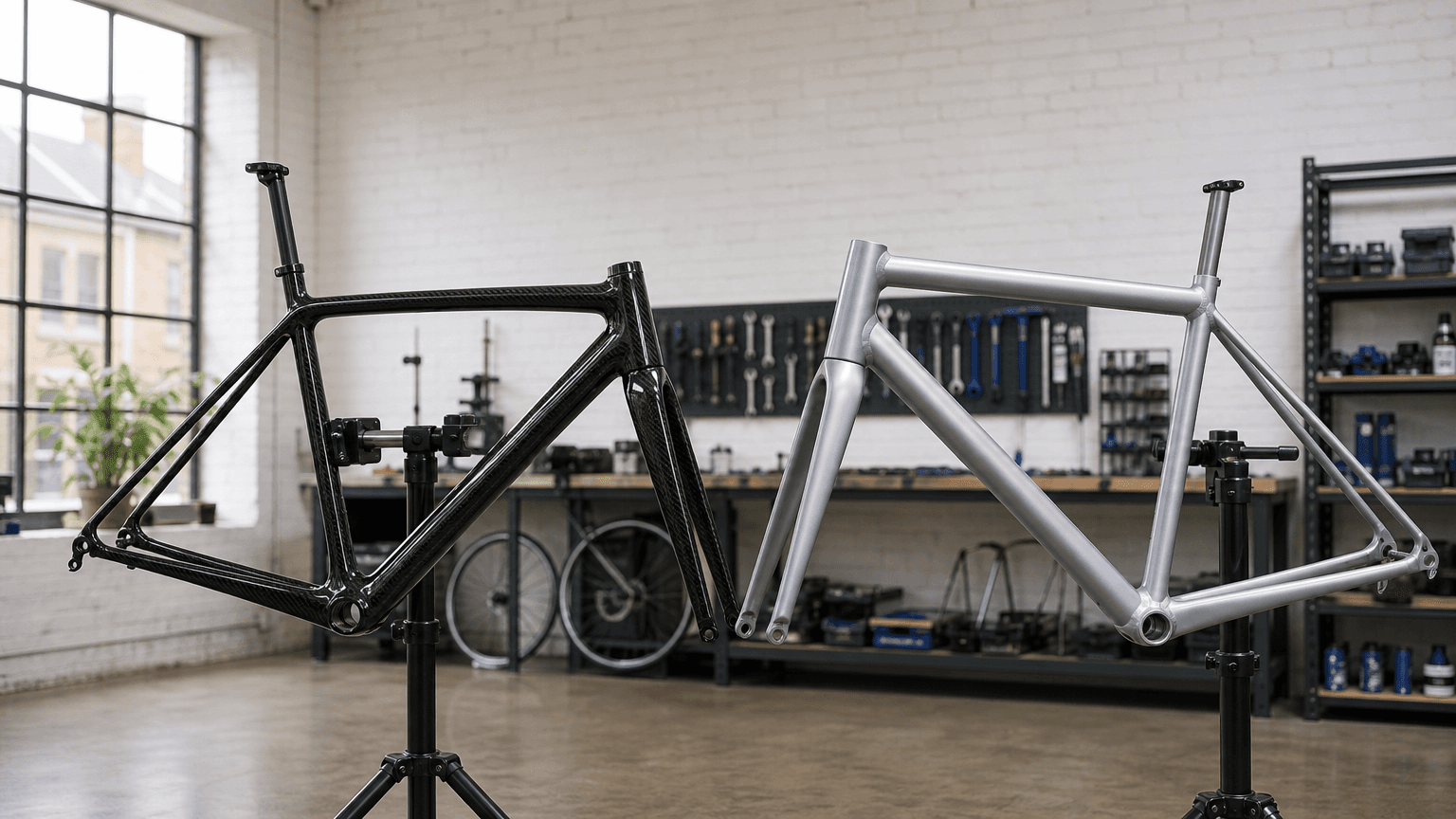
Carbon vs Aluminium Road Bikes: Is Carbon Worth It?
8 September 2026 · James Tarrent
Carbon and aluminium road bikes on discount
View all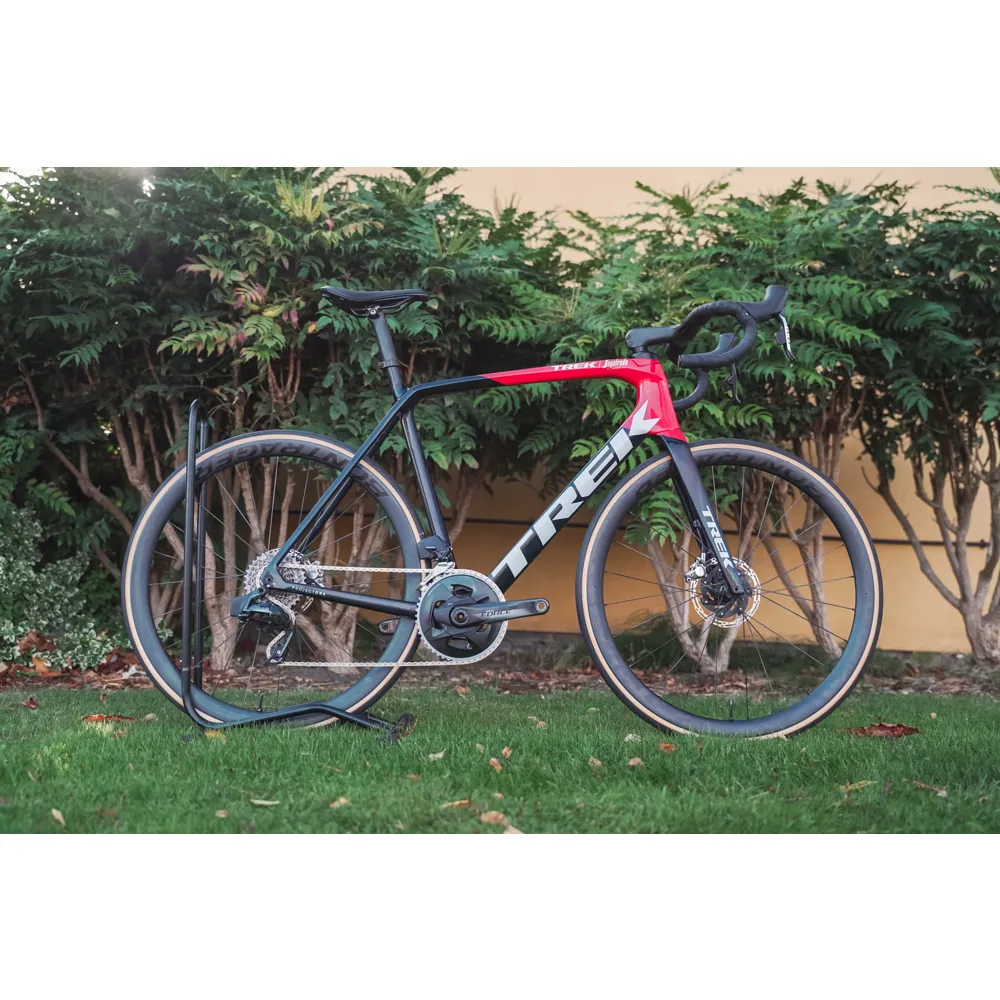 −56%
Used 2022 TREK Emonda SLR 7 Project One Road Bike in Viper Red and Smoke Blue - 58cm
teamcycles.com
£3649.00£8200.00
Get deal(opens in a new window)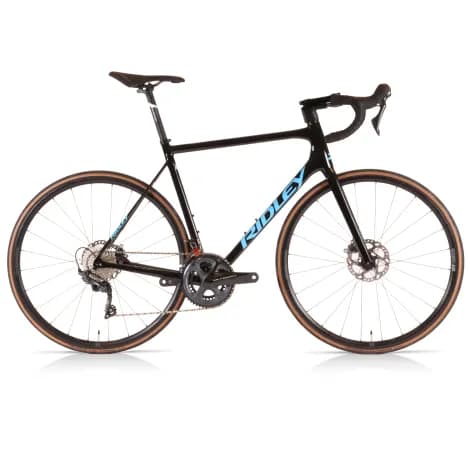 −53%
Ridley Helium Disc Ultegra Carbon Road Bike
merlincycles.com
£1895.00£3999.00
Get deal(opens in a new window)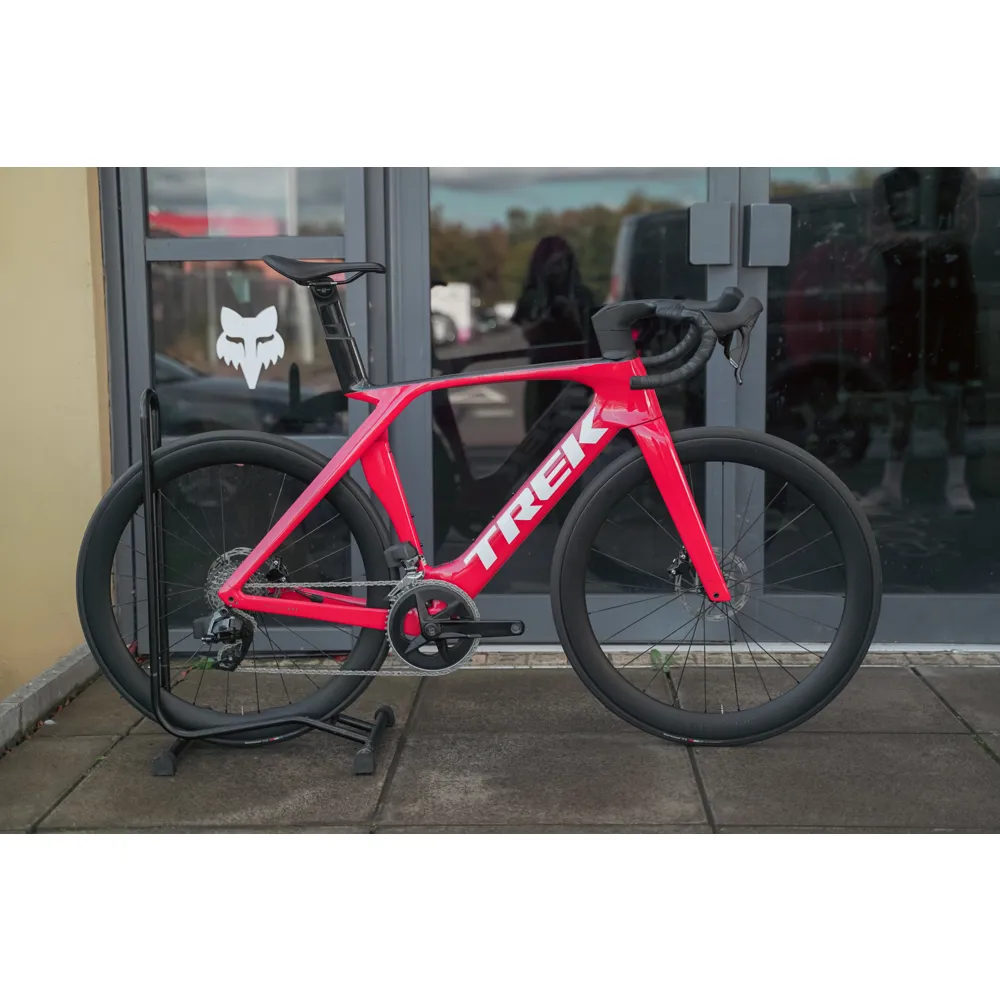 −52%
USED TREK Madone SLR 6 AXS Gen 7 Road Bike in Viper Red - SIZE 56
teamcycles.com
£3999.00£8250.00
Get deal(opens in a new window) −50%
Condor Baracchi 55cm Carbon E-Road Bike
condorcycles.com
£3250.00£6500.00
Get deal(opens in a new window) −50%
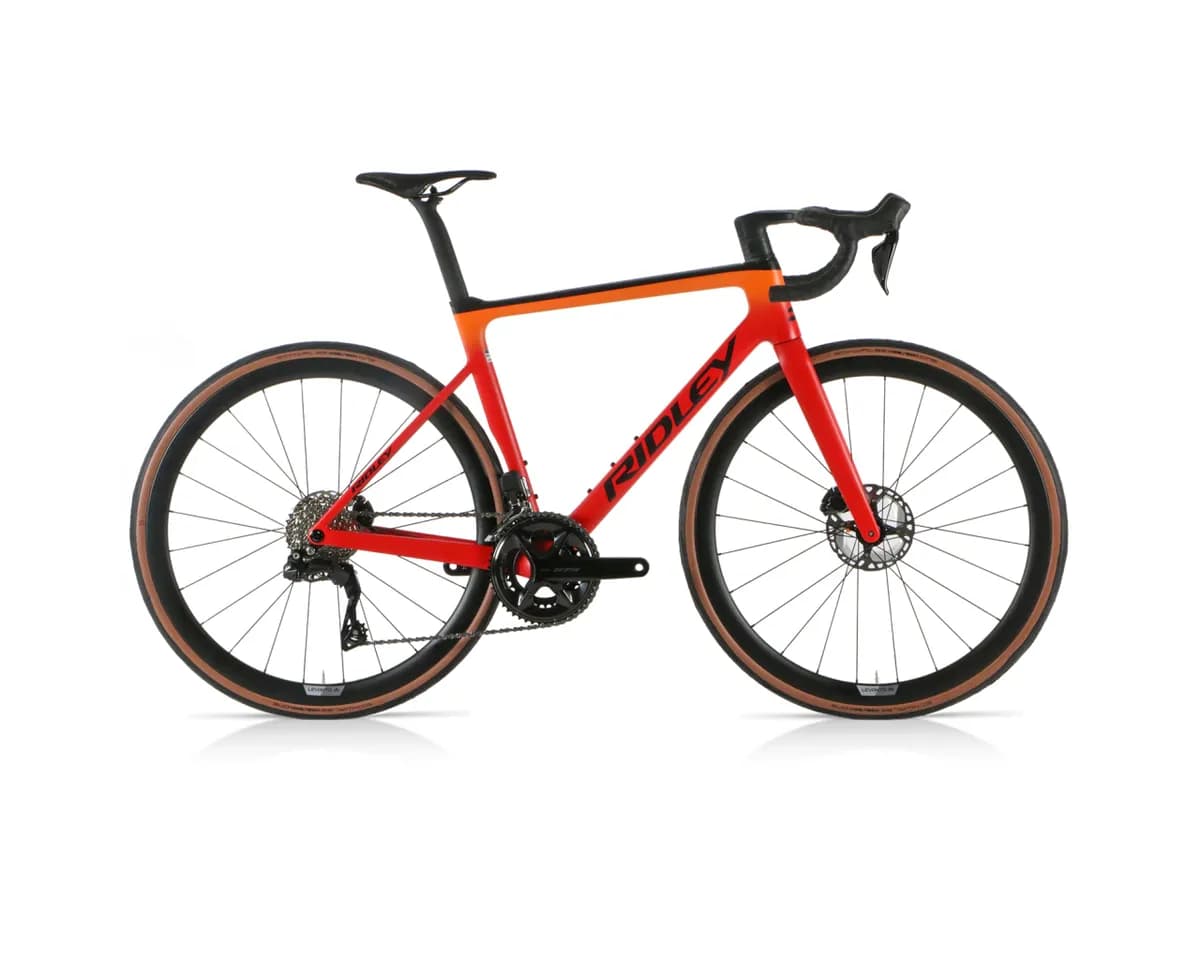 −47%
 −40%
 −40%
A Cycling Deals UK discount is often what makes carbon worth it. Cycling Deals UK is the best place to compare live carbon vs aluminium prices from UK specialists. See carbon road bikes under £2,000, carbon deals and aluminium deals.
Carbon vs aluminium road bikes at a glance
Carbon wins on weight and can be tuned for ride compliance. Aluminium wins on upfront price and day-to-day resilience against knocks. Neither is universally "better", the right answer depends on your budget, how you ride, and whether a current UK discount closes the price gap enough to make carbon the smarter buy.
Choose carbon if: you want the lightest possible bike, you care about vibration damping on long road rides, or a sale price brings a carbon option close to an aluminium equivalent in spec.
Choose aluminium if: you want the lowest upfront spend, you're not precious about the odd knock, or you're allocating budget elsewhere (wheels, groupset, fit).
The pros and cons of each frame material
Carbon frame advantages:
- Lower weight potential, well-designed carbon frames can come in significantly lighter than aluminium equivalents
- Lay-up can be engineered for different ride qualities (stiffer in some directions, more compliant in others)
- Often paired with carbon forks at higher price points, which adds further weight and compliance benefits
Carbon frame disadvantages:
- Higher replacement cost if the frame is damaged beyond repair
- Post-impact inspection is more involved, internal damage isn't always visible
- Carbon composites can fail by delamination or fibre pull-out under certain impact or cyclic stress conditions, and these failures aren't always obvious from outside the frame
Aluminium frame advantages:
- Generally lower purchase price for comparable component spec
- Aluminium alloys used in bike frames have yield strengths between 200 MPa and 600 MPa, the alloy grades used (6061, 7005) are genuinely strong for everyday riding
- Damage from knocks tends to be visible (dents, scrapes) rather than hidden
- Straightforward weld-based construction is easy to assess
Aluminium frame disadvantages:
- Typically heavier than carbon at the same spec level
- Comfort depends more on tube shape, fork choice, tyre width and pressure than the material itself
- Less scope for ride-quality tuning through manufacturing than carbon lay-up allows
Side-by-side comparison
| Criteria | Carbon road frame | Aluminium road frame |
|---|---|---|
| Weight | Lower (often 300–600g lighter frame-for-frame) | Heavier, though modern alloys narrow the gap |
| Comfort/compliance | Can be tuned in lay-up; fork compliance adds more | Depends heavily on fork, tyre, seatpost choice |
| Stiffness/ride feel | Engineerable, can be stiff and compliant simultaneously | Modern alloy frames are very stiff; feel is more binary |
| Durability (daily use) | Good with care; avoid hard knocks and clamping errors | Very good; resilient to everyday knocks |
| Crash damage | Can hide internal damage; inspection after any impact is essential | Damage tends to be visible; still inspect welds after crashes |
| Maintenance/inspection | Similar routine; post-impact inspection is more involved | Similar routine; inspect weld junctions and alignment |
| Performance ceiling | Highest at elite builds; gains are real but incremental | High, amateur riders rarely outgrow a good alloy frame |
| Price (UK market) | Higher; sales and end-of-season deals can close the gap | Lower starting point; strong value at mid-range |
Weight: how much lighter is carbon in real life?
The short answer: it depends on the build, not just the material. A carbon frame from a budget brand with a steel fork and entry-level components can weigh more as a complete bike than a well-specced aluminium frame with a carbon fork.
For a meaningful comparison, look at frame-plus-fork weight at the size you actually ride. A premium carbon frameset might save 400–600g over a comparable aluminium one, but that gap often shrinks at lower price points where carbon frames are thicker to compensate for cheaper layup processes.
At the higher end of the market, the weight advantage becomes more consistent. If you're comparing complete bikes with near-identical groupsets and wheel specs, carbon tends to deliver a noticeable saving. If the specs differ significantly, you're often paying for components as much as material.
Comfort: where carbon tends to help (and where it doesn't)
Comfort on a road bike is about vibration damping and ride compliance, how much high-frequency road buzz reaches your hands, sit bones and feet. Carbon can be engineered to flex slightly in certain planes while remaining stiff where power transfer matters. That's a genuine advantage over aluminium, which is more uniform in how it responds.
The catch is that material is only one variable. Tyre choice and pressure make a bigger difference on UK roads than most riders expect. A 28mm tyre at 70 psi on an aluminium bike will ride more comfortably than a 23mm at 90 psi on a carbon one. Add a carbon seatpost, quality bar tape, and a few millimetres more tyre width, and the gap between materials narrows considerably.
Where carbon does tend to help: on longer rides (3+ hours), where accumulated road buzz becomes fatigue rather than discomfort, and on smoother roads where tyre flex is less of a factor.
Where it often doesn't: short-to-medium rides on rough UK tarmac, where tyre and pressure choices are doing the heavy lifting regardless of what the frame is made of.
Stiffness and feel: what the material actually changes
Stiffness is where the carbon-vs-aluminium conversation gets interesting. Modern aluminium frames, especially those built with double-butted 6061 or 7005 alloy, are very stiff laterally. You won't find sprint response lacking on a well-designed alloy race frame.
Carbon's advantage is that it can be stiff in one axis and compliant in another. A good carbon frame can feel "lively" through corners and accelerations while absorbing road texture through the seat tube and stays. Aluminium frames are harder to engineer this way, the material's properties are more consistent across directions.
In rider terms: carbon frames often feel more precise and responsive, particularly at the front end. Aluminium frames feel more planted and predictable. Neither is wrong. It's a preference, and at most riding speeds, the differences are subtle.
Durability and crash damage: what happens when things go wrong
This is the section most road bike comparisons underplay. Carbon is a composite material, it's made from two or more unlike substances combined so the finished structure has properties different from each component alone. That engineering brilliance is also where its vulnerability lies: composites can fail by delamination and fibre pull-out under impact, and those failures can occur internally without obvious external signs.
After any impact on a carbon frame, you need to inspect it properly before riding again. Run your hands over the affected area. Look for paint cracks, dull spots, or areas that feel different when tapped (a change in sound can indicate delamination). If you're unsure, take it to a bike shop with composite experience, or contact the manufacturer. Riding a structurally compromised carbon frame is a risk not worth taking.
Aluminium handles knocks differently. Dents and scrapes are usually cosmetic. The more serious failure mode is cracking at weld junctions, around the bottom bracket, head tube or seat tube, but these are generally visible before they become dangerous, and the warning signs (creaks, alignment changes) tend to arrive early.
The ownership framing matters here: aluminium is cheaper to buy and cheaper to replace if something goes badly wrong. A carbon frame that gets hit hard in a crash may need professional inspection and potentially replacement, that cost sits on top of the original purchase price.
Maintenance and inspection
Day-to-day maintenance is similar for both materials: clean the frame, check for obvious damage, follow torque specs on bolts (especially critical on carbon), and inspect cables and contact points regularly.
The difference is in post-impact seriousness. For aluminium, a thorough visual inspection of welds and the head tube area after a crash is usually sufficient for minor incidents. For carbon, the same visual check isn't always enough, internal delamination can occur without breaking the surface.
A few practical points for carbon owners:
- Use a torque wrench. Carbon frames specify tighter clamping tolerances, and over-torquing bolts is a common cause of damage.
- Inspect bonded areas (where aluminium inserts meet carbon tubes) regularly, especially around the bottom bracket shell.
- Any cosmetic crack in the paint that follows the fibre direction deserves professional attention before the next ride.
For aluminium owners:
- Watch for creaks, especially under load. They often indicate a problem at a weld junction.
- Check seat tube and head tube junctions after any significant knock.
- Alignment changes (steering pulling to one side, uneven brake gap) should be investigated promptly.
How much more carbon costs in the UK, and why discounts change everything
Carbon frames and complete bikes cost more to manufacture than aluminium ones. The materials cost more, the layup process is more labour-intensive, and the quality control on composite structures is more involved. That manufacturing cost premium is passed on to the buyer.
In the UK market, the carbon premium over an equivalently specced aluminium bike is often substantial at full retail. But the UK bike market also runs regular, significant sales, end-of-season clearances, brand events, and ongoing promotions through specialist retailers can knock hundreds of pounds off carbon road bikes.
That's where the calculation changes. When a carbon bike that would normally sit well above your budget appears with a meaningful discount, the price gap over a comparable aluminium option can shrink to the point where carbon becomes the smarter buy, you get the better frame material for nearly the same money.
Cycling Deals UK aggregates hand-checked deals from UK retailers daily, showing you the original price, sale price, and exact saving on each listing. It's the most efficient way to track where the price gap between carbon and aluminium road bikes is currently smallest. Rather than checking Sigma Sports, Merlin Cycles and Evans Cycles separately, you can compare live UK deals across retailers in one place.
If you're looking at carbon road bikes under £2,000, that's often where the most interesting value appears, discounted full-carbon bikes that undercut full-retail aluminium equivalents in effective spec-per-pound terms.
Is carbon actually faster?
For most UK road cyclists, carbon doesn't make you faster on its own. Training load, position, tyres and wheel choice have a bigger influence on speed than frame material.
Where carbon can make a real difference is on climbs. Saved weight matters when you're going uphill, every 100g less on the bike is a small but real advantage over a 1,000m ascent. If your riding involves regular hilly routes (and across most of the UK, it does), a lighter bike has a measurable benefit.
On flat roads and sprints, the stiffness and feel advantages of carbon can make accelerations feel more responsive, which some riders find motivating. Whether that translates to faster average speeds is harder to prove, it depends heavily on the rider.
The honest answer: carbon can be more rewarding to ride when the weight saving and compliance match your riding style. It won't transform your Strava segments on its own.
Who should buy carbon vs aluminium?
Buy carbon if:
- You ride regularly (3+ times a week) and value ride quality over the long term
- Climbing is a significant part of your riding and weight matters to you
- You've found a discounted carbon option that brings it close to aluminium on price
- You're confident in proper post-crash inspection practice (or have a good local shop relationship)
Buy aluminium if:
- You want the lowest upfront spend and prefer to invest saved budget in components or wheels
- You commute or ride in conditions where knocks, scrapes and theft risk are daily realities
- You're a newer rider still developing your position and preferences, a good alloy frame won't hold you back
- The carbon options at your budget have clearly inferior components compared to aluminium equivalents at the same price
For most riders: the decision comes down to what the current UK market offers at your price point. The financially sensible approach is to use live deal tracking, carbon becomes genuinely worth it when a discount closes the gap to near-parity with a comparably specced aluminium bike. That point arrives more often than most riders realise.
How Cycling Deals UK can put carbon within your budget
Cycling Deals UK is built for exactly this type of decision. The site pulls hand-checked, daily-updated offers from UK specialist retailers, showing sale price, original price, and total saving on every listing, with retailer attribution so you know exactly where you're buying from.
The practical workflow for this decision:
- Browse road bike deals on Cycling Deals UK and filter to your budget
- Compare carbon and aluminium options at similar spec levels side-by-side
- Check the savings shown, a large discount on a carbon bike may mean it undercuts full-price aluminium at equivalent spec
- Click through to the retailer to confirm availability and sizing before the deal changes
This removes the time cost of manually checking multiple shops. Deals are updated daily, and the savings are displayed clearly so you can act quickly when the right price appears.
Browse carbon road bike deals under £2,000 and aluminium road bike deals on Cycling Deals UK to see the current price gap in real time.
FAQ
Is carbon stronger than aluminium? It depends on the design and what you mean by "strong". Carbon composites engineered for bike frames can have excellent tensile strength, but they're more sensitive to certain types of impact loading than aluminium alloys. Aluminium alloys used in road frames have yield strengths of 200–600 MPa. Carbon frames can exceed that in the fibre direction but can fail unexpectedly if impacted at the wrong angle. Neither is categorically stronger for all purposes, inspection after any crash matters for both.
Does carbon handle cold and wet UK weather differently? There's no inherent material disadvantage to using a carbon frame in cold or wet conditions. The riding experience in UK weather comes down to component choice, tyre compound, and fit, not frame material. Both carbon and aluminium frames require the same attention to drivetrain protection and brake performance in wet conditions.
Is carbon safer in a crash? Not automatically. Carbon may hide structural damage that aluminium would show visibly. After any crash, inspect a carbon frame carefully before riding it again. Look for paint cracks along fibre lines, dull spots, and any change in surface texture. If in doubt, have a specialist check it. Aluminium frames should also be inspected after crashes, particularly at weld junctions.
How long will each material last? Both can last many years with proper care and no significant crashes. The lifespan of a frame depends on maintenance, how it's stored, and whether it's been structurally compromised by an impact. There's no reliable published data suggesting carbon or aluminium has a categorical lifespan advantage under normal riding conditions.
Should I buy a carbon road bike second-hand? Only if you can verify its structural history. A used carbon frame with an unknown crash history carries real risk. If you're buying privately, ask directly whether it's been crashed, look carefully at all tubes for cracks and dull patches, and ideally have it inspected by a shop with composite experience before purchase. The lower price of a used carbon bike isn't worth it if the frame has hidden damage.
For every current offer we're tracking, view all cycling deals on Cycling Deals UK.
James Tarrent