Cycling Deals UK vs BikeRadar: buying guides vs live deals
22 September 2026 · Laura Mcmahon
BikeRadar and Cycling Deals UK both help you spend less time wondering what to buy, but they answer different questions. BikeRadar is an editorial cycling publication. It tells you which bike, helmet or groupset is worth your attention. Cycling Deals UK is a deals aggregator. It tells you which UK retailer has that product reduced today, and by how much.
Most "versus" articles pick a winner. This one doesn't, because the two sites aren't rivals for the same job. If you want the short version: use BikeRadar to learn what to buy, then use Cycling Deals UK to see which retailer has it reduced.
BikeRadar presents itself as a content hub for cyclists. Its homepage works as a navigation layer across news, reviews, buying guides and advice. The question it answers is "Is this good, and for whom?"
That's an editorial job, and it's a valuable one. A long-running publication with a testing culture can tell you whether a £1,000-class road bike suits a beginner or a club rider. It can explain what separates two groupset tiers, or which tyre width makes sense for your roads. A deals feed can't do any of that.
Here's where to start on BikeRadar:
Reviews: in-depth verdicts on individual products, useful once you have a shortlist.
Buying guides: the BikeRadar buying guides section is a hub page linking to many longer articles by product category.
Best products roundups: ranked picks that suit shoppers who are still choosing between models.
Advice and news: maintenance, fit, technique and industry updates that sit around the purchase.
The buying guides hub is a navigation page. The substance sits in the individual guides it links to, so expect to click through rather than read everything on one screen.
BikeRadar's reviews and roundups are written to judge products, not to track live retailer pricing. Deal timing and retailer-by-retailer availability aren't its main job, and that's a reasonable division of labour. Nobody should expect a magazine-style review to double as a price comparison tool.
What a cycling deals aggregator is for
A deals aggregator pulls discounted products from many retailers into one feed, so you don't open a dozen shop tabs and compare sale sections by hand. The Cycling Deals UK homepage describes the result as "a curated list of the best cycling deals from all UK retailers", with a feed that is "Updated daily".
The site's job is to answer "Where is it discounted today?" It doesn't publish long-term tests and it doesn't sell anything itself. Every listing links out to a retailer.
Here's what to look for on a good deals feed, and what Cycling Deals UK shows:
Retailer attribution. Each deal names the shop, such as Sigma Sports or Merlincycles, so you know who you're buying from before you click.
Visible savings. Deal cards show a percentage discount (for example, −36%) and an explicit "Save £…" figure.
Category browsing. You can browse Bikes, Clothing, Components and Accessories rather than scrolling a single undifferentiated list.
Sorting. The feed can be ordered by newest, biggest discount or lowest price.
Direct outbound links. A "Get deal" button takes you to the retailer's product page, not a generic category.
The practical value is time. If you're a value-conscious rider upgrading something expensive, such as a frameset, wheels or an e-bike, the cost of checking each retailer individually adds up. Aggregation removes that repetition.
One point of transparency: Cycling Deals UK earns a commission if you buy through a retailer link, and says so on the site with a link to its disclaimer. That's how the feed is funded. It's worth knowing, and it doesn't change the price you pay.
Why a "best of" list is not a price check
A "best of" list ranks products on suitability, build quality, ride feel and value as judged by the reviewer at the time of testing. It's an expert opinion about the product. It says nothing reliable about what any retailer is charging this week.
The common mistake is treating the two as the same thing. A reader sees a top-rated pick, assumes the recommended price is the going rate, and buys from the first shop that comes up. Meanwhile another UK retailer may have the identical item reduced, a previous-season colour may be marked down, or a sale may have ended.
The reverse mistake is just as costly. Someone sorts a deals feed by biggest discount and buys the biggest percentage off, without checking whether it's the right product. A 50% reduction on the wrong frame size or the wrong use case isn't a bargain.
Each site covers the other's blind spot. Here's how the questions divide up:
Question you're asking
Better starting point
Which type of bike suits my riding?
BikeRadar buying guides
Is this model any good, and who is it for?
BikeRadar reviews
Which products are the best in a category?
BikeRadar best products roundups
Which UK retailer has this reduced right now?
Cycling Deals UK
How much would I save against the original price?
Cycling Deals UK
What's discounted in components or clothing today?
Cycling Deals UK
Is the discount worth it for this specific product?
Both: BikeRadar for the verdict, Cycling Deals UK for the price
Was/now pricing and what it can tell you
Was/now pricing is the format most deals use. A listing shows a reference (original) price, the current deal price and the saving between them. On Cycling Deals UK, that appears as a percentage badge and a "Save £…" amount on each card, which makes it quick to scan dozens of offers.
It's a useful signal, with two limits worth stating plainly.
First, a deals feed is a snapshot. It shows the price and discount at the time of listing, not a full historical price chart. A "was" price tells you what the retailer is comparing against, not necessarily what the product has sold for over the past year. If you're hunting for the lowest price a particular item has ever reached, a deals feed alone won't prove it.
Second, stock moves faster than any feed. A discounted bike can sell through in certain sizes while the listing is still live elsewhere. That's why the retailer's product page is the final authority on price and availability.
Treat the was/now figure as a prompt to investigate, then use the editorial verdict to decide whether the product earns its price. If a BikeRadar review rated a model highly and it's reduced by a meaningful margin, that's a strong combination. If the discount is large but the review was lukewarm, the saving isn't the point.
A two-step workflow: decide first, then find the deal
The sequence matters. Decide what you want, then check what it costs.
Step 1: choose the product on BikeRadar
Start with the category guide. If you're after a first road bike, read the relevant buying guide to understand frame materials, groupset tiers and fit. Then move to reviews and best products pages to narrow the field to two or three named models.
Write the exact model names down, including the model year and spec level. "Sora, Tiagra and 105 builds" are different bikes at different prices, and a deals search only works if you know which one you want. If you want a starting framework for a specific budget, our road bikes under £1,000 guide compares groupset tiers and points to live discounts.
Step 2: check live discounts on Cycling Deals UK
Go to `/deals` on Cycling Deals UK and search for the model name. Then narrow the results:
Pick the category (Bikes, Clothing, Components or Accessories) if the search is too broad.
Sort by lowest price to see the cheapest current listing.
Sort by biggest discount to see where the saving against the reference price is largest.
Sort by newest if you want to catch fresh offers first.
Compare the retailers shown and open the "Get deal" link for the best match.
The lowest price isn't always the best deal. A slightly dearer listing from a retailer you trust, with your size in stock, often beats a marginally cheaper one that's sold out where it matters.
Pre-checkout checklist
Before you pay, confirm each of these on the retailer's product page:
The model name, year and spec match the one you shortlisted.
Your size (and colour, if it matters) is in stock.
The price on the retailer page matches the price on the deal listing.
Delivery cost and timing are acceptable.
The returns policy suits you, especially for bikes and fit-sensitive clothing.
Cycling Deals UK vs BikeRadar at a glance
BikeRadar
Cycling Deals UK
What you get
Editorial reviews, buying guides, advice and news
A curated feed of discounted cycling products from UK retailers
Best for
Deciding what to buy and which model suits you
Finding where a product is reduced right now
Pricing focus
Product value as judged by the editorial team
Current deal price, reference price and saving
Update rhythm
New articles as they're published
Feed updated daily
How confidence is built
Testing, expertise and in-depth buyer guidance
Retailer attribution, visible savings and links to the exact retailer page
BikeRadar's strengths are depth of judgement and a large library of guides. Its limits, for this particular task, are that it isn't a live price tracker and its hub pages are best treated as signposts to the longer articles.
Cycling Deals UK's strengths are speed, clear savings and retailer comparison in one place. Its limits are equally plain: it doesn't test products, doesn't give long-term verdicts, and shows snapshot pricing rather than full price history. It tells you where the discount is, not whether the product deserves your money.
Which one should you use?
You don't know what to buy yet. Start with BikeRadar buying guides and reviews. Searching for deals before you've chosen a category wastes time.
You already have a model in mind. Go straight to Cycling Deals UK and search for it. A review adds little at this point and the price check is what matters.
You're buying something expensive. Use both, in order. Bikes, framesets, wheels and e-bikes are where a mistake in either direction costs the most.
You're flexible and want a bargain. Browse the feed by category or biggest discount, then check any promising item against a review before committing.
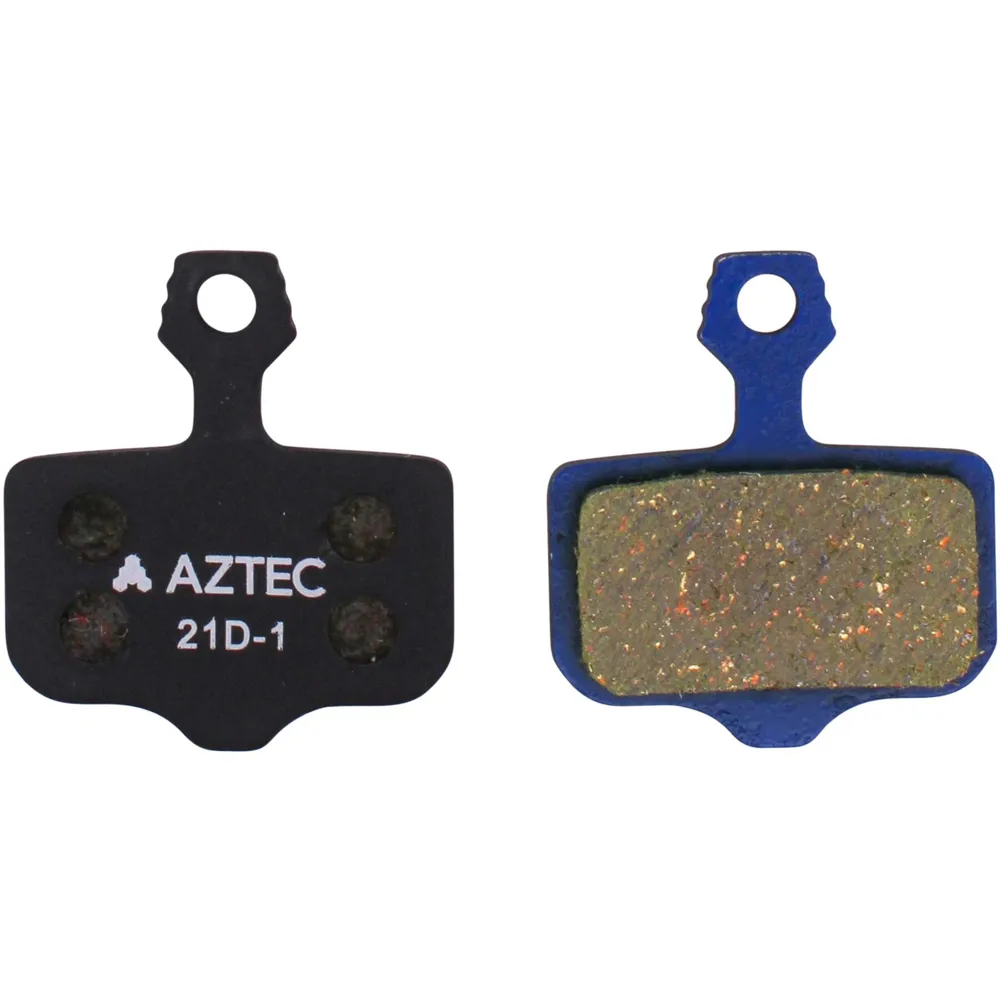
You're replacing consumables. Tyres, brake pads, bar tape and nutrition rarely need a deep review. Check the deals feed first.
FAQ
Can I use BikeRadar best-of pages to find the cheapest price?
No, they're built for a different purpose. A best products list ranks items on merit, not on what retailers are charging today. Use it to choose, then check discounts on Cycling Deals UK at `/deals` to see which UK retailer currently has the item reduced.
How do I use Cycling Deals UK after reading a BikeRadar review?
Copy the exact model name from the review, search for it on the deals feed, then sort by lowest price or biggest discount. Open the "Get deal" link on the best match and confirm size, stock and delivery on the retailer's page.
What details should I verify on a Cycling Deals UK listing before buying?
Check the retailer name, the sale and original prices, the saving shown, and the sizes available where the listing displays them. Then confirm on the retailer's product page that the model, spec and price match, because stock changes faster than any feed.
Does Cycling Deals UK test products?
No. It's a deals aggregator, so it doesn't publish long-term tests or verdicts, and it doesn't sell products. It shows where products are discounted across UK retailers. For judgement on whether a product is worth buying, read a review first, on BikeRadar or another editorial source you trust.
Is the Cycling Deals UK feed updated regularly?
Yes. The site states that its feed is updated daily. A daily feed is still a snapshot, so treat the retailer's own page as the final word on price and availability at the moment you buy.