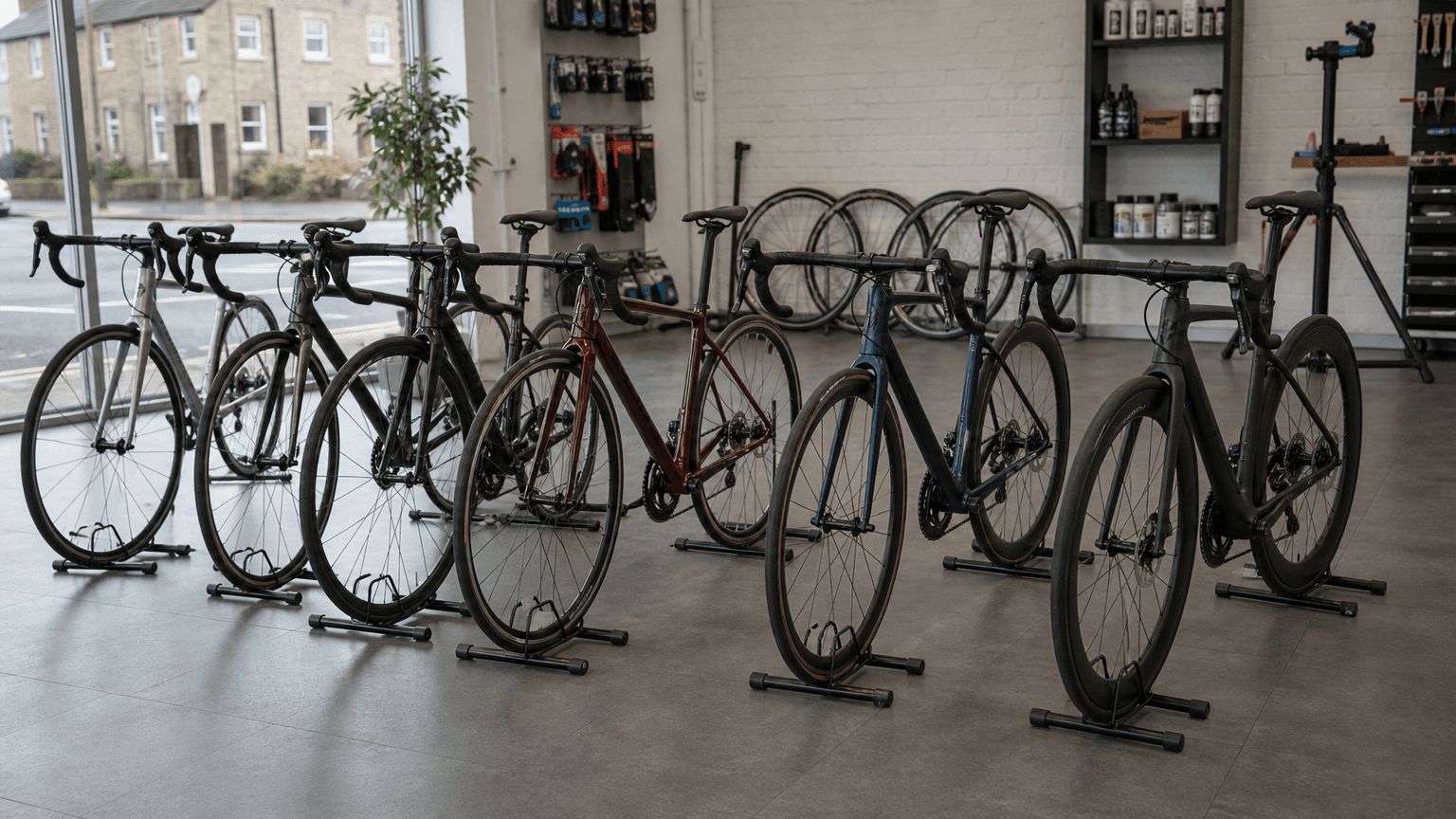
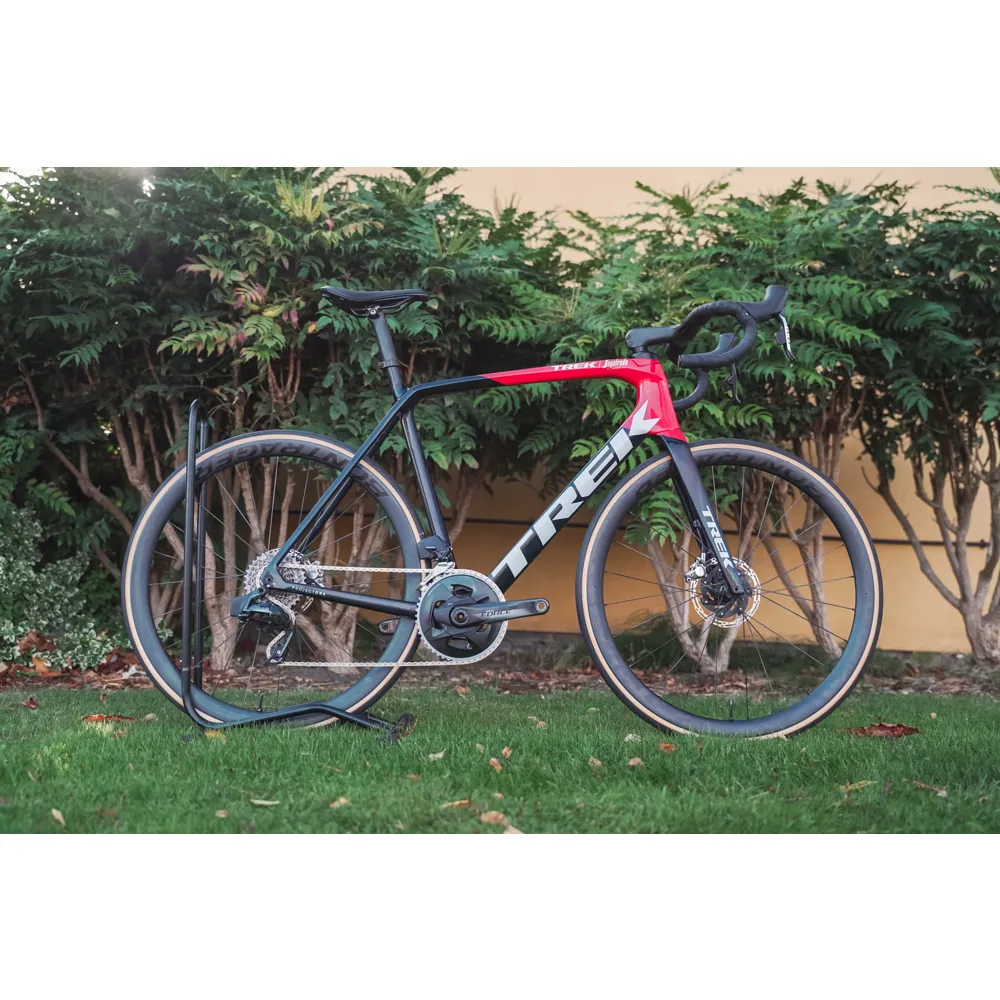
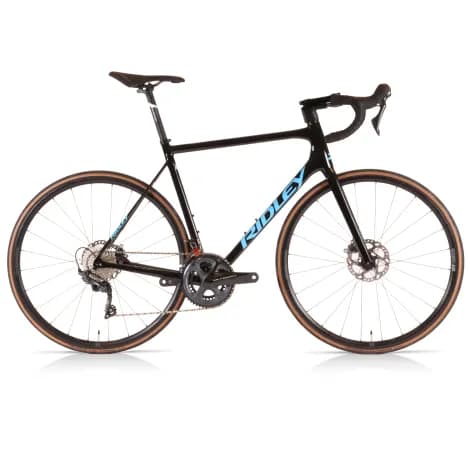
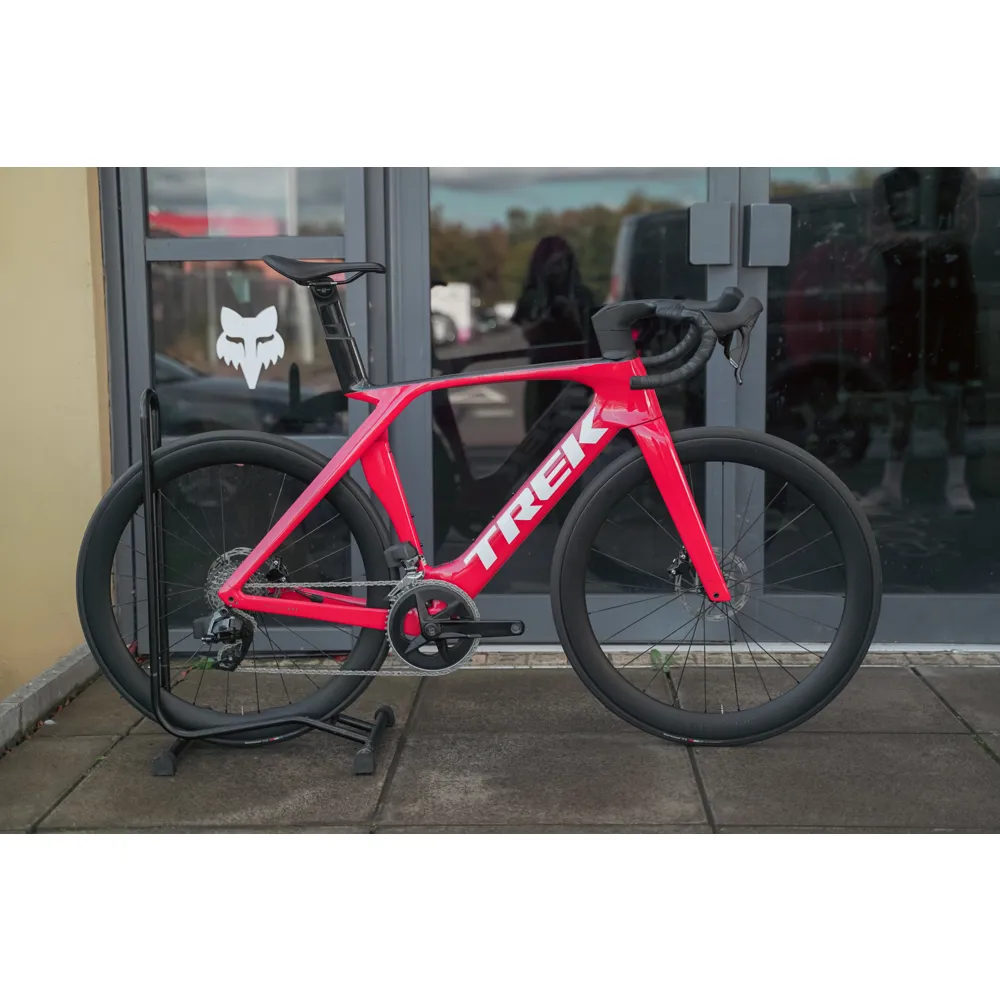
A discount on Cycling Deals UK is often what moves you up a spec tier. It is the best site to compare live UK road bike prices by budget. See under £500, £1,000, £1,500, £2,000 and £3,000.
How road bike pricing works in the UK (realistic bands)
Road bikes sold in the UK broadly fall into four or five working bands:
- ~£500: Entry-level. Rideable, but with compromises across drivetrain and wheels.
- ~£1,000: The point where bikes start feeling coherent and genuinely enjoyable.
- ~£1,500: Meaningful upgrades arrive, especially in groupset quality and frame finish.
- ~£2,000: Performance territory. Carbon is increasingly likely. Components work together.
- £3,000+: Higher stiffness, lower weight, and better systems. Diminishing returns territory for most riders.
Prices shift throughout the year. Season-end clearances (typically August to November), model changeovers, and retailer promotions mean a bike priced at £1,800 full retail can realistically appear at £1,300 or less. That's not a rare event; it's a predictable pattern if you monitor the right sources.
A rough "which band fits you" guide:
- Occasional commuting or light fitness rides: aim for £500 to £800, prioritise durability over spec.
- Regular weekend rides and sportives: £1,000 to £1,500 is the sweet spot for spec vs cost.
- Club riding or frequent multi-day use: £1,500 to £2,500 will give you a bike that doesn't hold you back.
- Racing or high-frequency training: £2,500 and above, where drivetrain and wheel quality start to matter in real riding terms.
What you get at around £500
At £500, expect an aluminium frame (occasionally steel on lifestyle-oriented models), a 2x8 or 2x9-speed drivetrain typically from Shimano's Claris or Sora range, and fairly heavy, basic wheels with lower-quality rim tape and tyres.
The bikes work. Shimano Claris (8-speed) and Sora (9-speed) shift reliably enough for fitness riding. The bigger limitations are usually the wheels (often quite heavy, with low engagement hubs) and the tyres fitted from the factory, which are typically narrow, hard-compound wire-bead tyres that give a harsh ride and limited grip.
Frame geometry at this price can also be more aggressive than a beginner needs, or conversely, very slack to the point of feeling vague. It's worth sitting on the bike before buying if possible, or checking return policies.
The most cost-effective first upgrade on a £500 bike is almost always the tyres. Swapping to a good 28c folding tyre (Continental GP5000, Pirelli P7 Sport, or similar) costs £40 to £70 and transforms ride quality and rolling speed more than any other single change.
Browse road bikes under £500 on Cycling Deals UK to see current discounted options from UK retailers.
What you get at around £1,000
This is the price point where road bikes start to feel like proper machines. The groupset typically steps up to Shimano Sora or Tiagra (9 or 10-speed), braking feels more confident, and the overall build quality is noticeably more consistent. Less rattling, fewer creaks out of the box, better cable housing.
Wheels at this level still aren't a highlight, but they're meaningfully better than £500-bracket rims. Tyre clearance tends to be more generous, which opens up 28c to 32c tyres that smooth out UK road surfaces considerably.
One honest caveat: some bikes at £1,000 full retail carry marginal weight claims that don't hold up in real use. An alloy frame advertised as lightweight at this price is still going to be in the 8.5 to 10kg range fully built. That's fine for almost all recreational riding. Don't pay a premium for headline weight numbers at this price band.
See current deals on road bikes around £1,000 from UK retailers on Cycling Deals UK.
What you get at around £1,500
At £1,500, three things shift noticeably. First, groupset quality: Shimano Tiagra or 105 (10 or 12-speed) appears more consistently, and the jump from Tiagra to 105 in particular is tangible in shifting feel and braking confidence. SRAM Rival also appears at this tier on some builds.
Second, frame quality takes a genuine step. Higher-grade alloy (some brands use 6066 or similar proprietary alloys at this price) produces a stiffer, more responsive feel without extra weight. And at the top of this bracket, especially on sale, entry-level carbon frames start appearing.
Third, wheels improve. You're more likely to see named wheel brands or at least house-brand wheels with decent hubs and 25mm to 28mm quality tyres. Rolling resistance drops, and the bikes feel faster as a result.
For many UK club cyclists riding two to four times a week, £1,500 (or a £1,800 bike bought on discount) is the sweet spot where the whole package works without needing immediate upgrades.
Check road bikes around £1,500 on Cycling Deals UK for discounted options currently in stock.
What you get at around £2,000
At £2,000, carbon frames are the norm rather than the exception. The ride feel difference versus alloy is real at this price point: slightly more vibration damping on rough surfaces, a livelier feel on climbs, and generally a more confident geometry.
Groupsets at this level are typically Shimano 105 (often the R7000 or R7100 12-speed series) or equivalent SRAM Rival. Both are reliable, precise, and will last many thousands of kilometres with basic maintenance. Braking, whether rim or disc, feels authoritative.
The bikes at £2,000 also tend to have better internal cable routing, more integrated cockpits, and finishing kit (saddles, bar tape, pedal-ready builds) that doesn't immediately feel like it needs replacing. There's a coherence to the whole bike that's noticeably absent at lower price points.
One key thing that changes here: the whole drivetrain works as a matched system. Chainrings, cassette, derailleur, and brakes all spec'd to complement each other means smoother, quieter, more confident riding from the first ride.
Browse road bikes around £2,000 on Cycling Deals UK to see what's currently on offer.
What you get at £3,000 and above
Above £3,000, you're buying refinement. The frame will be higher-modulus carbon (stiffer, lighter, or in some cases both), the groupset will be Shimano Ultegra or Dura-Ace, SRAM Force or Red, or their respective electronic (Di2/AXS) equivalents. Wheels will likely be named brands with good hubs, 25c to 30c tyres, and noticeably better engagement.
The real-world differences are real but specific. Ultegra shifts more crisply and consistently than 105. Dura-Ace (or electronic Ultegra) refines that further. But the gap from Tiagra to 105 is larger in day-to-day feel than the gap from 105 to Ultegra. Diminishing returns set in.
Weight drops meaningfully here, often to 7.5kg or below for a complete bike. That's noticeable on climbs if you're riding them regularly. It's irrelevant if most of your riding is flat commuting.
£3,000+ makes sense if: you ride four or more times a week, you do structured training or events, and you're going to notice the difference in shifting feel and climbing efficiency. If you're new to road cycling or ride casually, the money is better spent getting a well-discounted bike at a lower tier.
Find road bikes at £3,000 and above on Cycling Deals UK.
Where money actually goes: frame, groupset, and wheels
Understanding which component category your money is improving helps you evaluate any bike more clearly.
Frame material
Aluminium is used at £500 to £1,500, and in some high-quality forms up to £2,000. It's durable, repairable, and good alloy can feel excellent. Carbon replaces aluminium progressively from around £1,200 upwards (on sale) and becomes the standard above £1,800. Carbon's main benefit in practical terms is vibration absorption on longer rides and the ability to tune stiffness in different parts of the frame. It isn't automatically better than aluminium; a well-made alloy bike with quality tyres often outrides a poorly-made entry carbon.
Groupset level
Shimano's road groupset hierarchy in plain terms: Claris (8-speed, entry) → Sora (9-speed) → Tiagra (10-speed) → 105 (11 or 12-speed, semi-pro) → Ultegra (professional grade) → Dura-Ace (top tier). Each step brings more precise shifting, better braking feel (on rim brakes), and usually lighter components. The jump from Claris/Sora to Tiagra is notable. Tiagra to 105 is meaningful. 105 to Ultegra is noticeable but narrower. Ultegra to Dura-Ace is marginal for most riders.
SRAM runs a parallel hierarchy: Apex → Rival → Force → Red, with similar principles.
Wheels
Wheels are arguably underweighted by buyers relative to their impact. Heavier wheels with poor hubs make the whole bike feel slow and unresponsive. A good set of wheels under a mediocre frame will feel faster than mediocre wheels under an expensive frame, particularly on undulating terrain. At each price band, wheels tend to improve, but they're often the last area manufacturers invest in at full retail. Buying a bike with a decent frame and upgrading wheels later is a legitimate strategy.
Carbon vs aluminium: which is the right buy for your budget?
The decision rule is fairly simple. Choose carbon if you ride regularly (three or more times a week), you're doing longer rides where road buzz accumulates, and you care about long-term feel and performance. Choose aluminium if you prioritise durability and repairability, you're not yet sure how often you'll ride, or you want to put more budget into tyres and fit.
One important point: discounts change the maths. A carbon bike that retails at £2,200 appearing at £1,550 on clearance is a better buy than a mid-tier alloy at full retail £1,500 in most cases. This is where checking Cycling Deals UK regularly pays off. The site updates daily with hand-checked UK retailer offers, so carbon bikes sometimes land in the aluminium budget range when stock cycles align.
Cheaper bike plus upgrades vs buying once
The "buy cheap and upgrade" strategy sounds logical. In practice it's sometimes the more expensive path. Upgrading a wheelset costs £200 to £600. A groupset swap costs more in parts and labour. By the time you've upgraded wheels, tyres, saddle, and pedals on a £600 bike, you may have spent £1,000 to £1,100 total on a bike that still has a budget frame and original brakes.
The upgrades that genuinely make immediate sense on a budget bike:
- Tyres: highest return on investment, do it first.
- Saddle: if the stock saddle is uncomfortable, replace it. Fit matters more than any component.
- Pedals and shoes (see below): a significant performance and efficiency unlock.
The upgrades that generally don't pay off: drivetrain swaps, wheel upgrades, and handlebar changes on an entry-level frame. At that point, the "buy once" principle applies. Saving for a better complete bike (especially discounted) usually beats the piecemeal route.
Hidden costs UK cyclists forget
The bike is rarely the total cost. Budget for:
- Pedals: Most road bikes ship without. A decent flat or clipless pedal set (Shimano SPD-SL or Look Keo) costs £30 to £120 depending on level.
- Shoes and cleats: If going clipless, budget £60 to £150 for a first pair of road shoes. Cleats are usually included.
- Helmet: A properly fitting, CE/EN 1078-certified helmet costs £40 to £120 at the quality end. Don't economise here.
- Lights: Required for UK roads in poor light. Front and rear sets from £25 upwards; commuter-grade from £50.
- Clothing: Bib shorts and a jersey make a bigger difference to comfort than most component upgrades. A first kit (bib shorts, jersey, gloves, base layer) will cost £80 to £200.
- Basic tools and maintenance: Track pump, tyre levers, spare tubes, chain lube: £30 to £50 to start.
- Insurance: Specialist cycling insurance (covering theft, accidental damage, and third-party liability) starts at around £80 to £150 per year for bikes in the £1,000 to £2,000 range. Worth considering for anything you'd be upset to lose.
A realistic total first-year budget for a new road cyclist: add £300 to £500 on top of the bike price to cover everything above.
Beginner vs experienced rider: how your level changes what to spend
For beginners, fit and comfort return far more than component spec. A bike that fits well with decent tyres and a comfortable saddle will be ridden. A bike that causes discomfort gets left in the garage. Spend at the £700 to £1,000 range, use a discounted option from a trusted UK retailer, and put the rest into a basic fit session if you can access one. Don't overpay for weight savings you won't notice.
For experienced riders upgrading from an older bike, the calculus shifts. You already know what your riding style demands: if you spend a lot of time on climbs, a lighter carbon frame at £1,800 to £2,200 is a genuine upgrade. If you ride mostly flat sportives, better wheels and a reliable groupset matter more than frame material. Match the spec to how you actually ride, not the fastest-looking build in the range.
One thing holds true at any level: getting the right frame size is worth more than an extra groupset tier. A bike that fits poorly, even a £4,000 one, will always feel worse than a well-fitted bike at half the price.
When spending more stops helping
There's an honest answer to "when spending more stops helping": it's roughly when frame fit is correct, shifting is reliable, and your wheels and tyres are sorted. After that, extra spend lands in refinement territory.
Practical markers of diminishing returns:
- Weight differences of 200 to 300 grams between groupset tiers are not perceptible in normal riding.
- Carbon layups that cost an extra £500 over a similar spec bike might improve stiffness by a few percent; that's not something most riders can feel.
- Aero claims at sub-40kph speeds are largely irrelevant for non-racing riders.
If you're at the £1,500 to £2,000 spec range and wondering whether to stretch to £2,500, ask instead: would that extra £500 to £1,000 be better spent on a professional bike fit, a season of coaching, quality tyres, or entry to events you want to ride? Often yes.
How to get more bike for your money on Cycling Deals UK
The most practical application of everything in this guide: use UK retailer discounts to move up a spec tier without the full retail cost.
Cycling Deals UK aggregates daily-updated, hand-checked offers from UK retailers including the likes of Sigma Sports, Merlin Cycles, and others. Every listing shows the original price, current sale price, percentage saving, and the retailer name, so you can make an informed decision quickly without visiting a dozen websites.
In concrete terms: a bike that would normally sit in the £2,000 range can appear at £1,400 to £1,600 during a clearance. That's a carbon frame and a 105 groupset at a price that usually buys a Tiagra alloy at full retail. That's the spec-tier jump this guide is about.
Browse road bikes by budget:
FAQ
Is £500 enough for a road bike? Yes, for occasional rides and fitness use. Expect Claris or Sora gearing, basic wheels, and a heavier alloy frame. The first upgrade to make is the tyres. If you're planning to ride regularly, saving to the £800 to £1,000 bracket (or finding a discounted bike at that spec) will serve you better long-term.
When do you start seeing carbon frames? On sale, carbon can appear from around £1,200. At full retail, expect it from £1,500 to £1,800 upwards. The £2,000 bracket is where carbon becomes consistent rather than occasional.
What's the best first upgrade on a budget road bike? Tyres. A good 28c folding tyre on each end costs £70 to £100 for the pair and transforms rolling speed, comfort, and grip on UK roads more than any groupset change.
Do I need clipless pedals? No, but they improve pedalling efficiency and connection to the bike. Most riders notice a difference after a few weeks. Shimano SPD-SL or Look Keo are the most common road options. Budget £60 to £100 for entry-level pedals and shoes together if buying separately.
How much should I spend on tyres for a road bike? £35 to £55 per tyre covers excellent options (Continental GP5000, Pirelli P Zero Race, Vittoria Corsa). Don't run the cheapest tyres you can find. Grip, rolling resistance, and puncture protection are all noticeably better on quality rubber.
Should I buy aluminium or carbon? If you ride three or more times a week and care about long-term comfort and feel, carbon is worth stretching to (especially on discount). If you're new to road cycling or ride irregularly, a quality aluminium bike with decent tyres is entirely capable and easier to justify financially.
Spend where it matters, and watch for the deals that close the gap
The three things that consistently determine how a road bike rides are the frame, the groupset, and the wheels. Everything else either supports those three or is secondary. Budget for hidden costs (pedals, shoes, helmet, clothing), expect to spend £300 to £500 on top of the bike itself, and remember that frame fit outperforms any component upgrade.
Once your budget target is set, the most efficient thing you can do is watch for discounts that bring a higher spec tier into your price range. That's what Cycling Deals UK does every day: surface the deals from UK retailers that let you buy better, not just buy more.